Endangered Species Conservation Projects You Can Visit in Uganda
Uganda is a global hotspot for biodiversity and home to numerous endangered species, ranging from mountain gorillas and chimpanzees to shoebills and golden monkeys. For wildlife enthusiasts and responsible travelers, visiting conservation projects in Uganda offers the opportunity to support critical conservation efforts, witness rare wildlife firsthand, and learn about the intricate balance between species, habitats, and local communities. These experiences also highlight the country’s commitment to preserving its natural heritage for future generations.
Ziwa Rhino Sanctuary
Ziwa Rhino Sanctuary is Uganda’s premier rhino conservation project, located in the Nakasongola district. This sanctuary is dedicated to reintroducing the southern white rhinoceros to Uganda after the species became extinct in the wild decades ago.
Visitors can participate in guided rhino trekking experiences, which allow close observation of these massive herbivores in their protected habitat. The sanctuary also offers educational tours about anti-poaching measures, rhino ecology, and community-based conservation programs. Ziwa’s safe environment is a model for species recovery and habitat restoration.
Bwindi Impenetrable Forest Conservation Initiatives
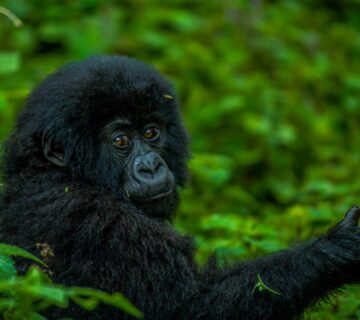
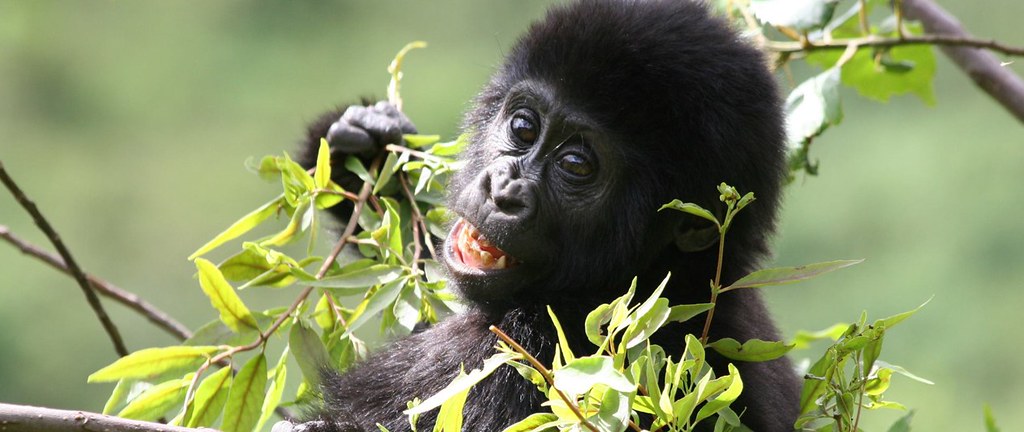
Bwindi Impenetrable Forest National Park is renowned for its mountain gorilla conservation programs. The park hosts several families of endangered gorillas and works closely with organizations such as the Uganda Wildlife Authority (UWA) and NGOs to monitor populations, prevent poaching, and involve local communities in conservation.
Visitors can engage in gorilla trekking under strict guidelines, which not only supports tourism-based conservation funding but also helps raise awareness about the threats these primates face from habitat loss and disease. Lodges and guided tours often include educational briefings on gorilla behavior, ecology, and conservation strategies.
Ngamba Island Chimpanzee Sanctuary
Ngamba Island, located on Lake Victoria, is a sanctuary for orphaned and rescued chimpanzees. The island provides a safe environment where these highly intelligent primates can live in semi-natural conditions while receiving lifelong care.
Visitors can observe daily feeding sessions, learn about chimpanzee rehabilitation, and participate in guided educational tours focused on primate behavior, threats from the pet trade, and conservation needs. Ngamba Island emphasizes public engagement and conservation awareness in addition to hands-on wildlife experiences.
Mgahinga Gorilla Conservation Project
Mgahinga Gorilla National Park focuses on protecting both mountain gorillas and golden monkeys, along with their montane forest habitats. Conservation programs here work to prevent poaching, restore habitat corridors, and involve local communities in sustainable tourism.
Tourists can experience gorilla and golden monkey tracking while learning about the ecological challenges of maintaining healthy populations in small, isolated habitats. Educational programs explain the importance of habitat connectivity, community stewardship, and responsible wildlife viewing.
Mabamba Wetland and Shoebill Conservation
Mabamba Swamp, near Entebbe, is a critical habitat for the endangered shoebill stork. Conservation initiatives here focus on wetland protection, sustainable tourism, and local community engagement.
Birdwatchers can take guided canoe tours through papyrus channels to spot shoebills and other wetland species, while learning about the ecological importance of wetlands and the threats posed by drainage, pollution, and hunting. Visits support conservation through fees and awareness campaigns.
Lake Mburo and Other Community-Based Projects
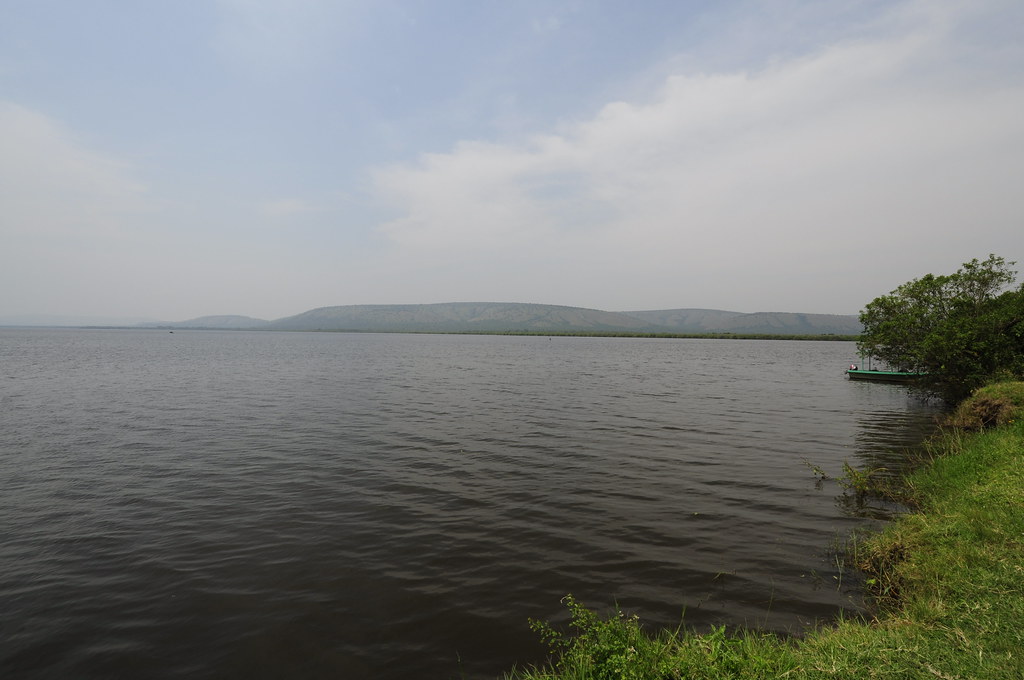
Community-based conservation projects around Lake Mburo National Park and other smaller reserves work to protect endangered species like sitatungas, otters, and certain bird species. These projects integrate wildlife protection with community development, including education, sustainable livelihoods, and anti-poaching programs.
Visitors often engage in guided walking safaris, birdwatching, and educational tours that emphasize the interconnectedness of wildlife, wetlands, and local communities.
Volunteering Opportunities
Many conservation projects in Uganda offer volunteer programs where visitors can participate in wildlife monitoring, habitat restoration, research, and educational outreach. Programs are available for short-term stays or extended periods and provide hands-on experience in supporting endangered species protection.
Such opportunities allow travelers to contribute directly to conservation while gaining an intimate understanding of Uganda’s wildlife challenges and successes.
Responsible Tourism and Conservation Impact
Visiting conservation projects in Uganda supports sustainable wildlife management. Tourism revenue funds ranger patrols, habitat protection, species monitoring, and community development initiatives. Responsible visitors help protect endangered species by following park rules, maintaining safe distances, and engaging with local conservation messages.
Uganda offers a variety of endangered species conservation projects that provide both educational and immersive wildlife experiences. From mountain gorillas in Bwindi and Mgahinga to rhinos at Ziwa and shoebills in Mabamba, travelers can witness conservation in action while supporting critical efforts to preserve the country’s unique biodiversity. These visits highlight the synergy between tourism, education, and wildlife protection, ensuring that Uganda’s most iconic species continue to thrive for generations to come.