Uganda’s Lesser-Known Parks for Wildlife Enthusiasts
Uganda is widely known for iconic destinations such as Bwindi Impenetrable Forest and Queen Elizabeth National Park, yet beyond these popular sites lies a collection of lesser-known national parks that offer equally rewarding wildlife experiences. These parks are quieter, less commercialized, and ideal for travelers who value solitude, authentic encounters, and a deeper connection with nature. For wildlife enthusiasts, they reveal a side of Uganda that feels raw, personal, and refreshingly uncrowded.
Lake Mburo National Park
Lake Mburo National Park is one of Uganda’s most underrated wildlife destinations, located conveniently close to Kampala yet often overlooked by travelers heading west. Its rolling savannas, acacia woodlands, and network of lakes support a unique mix of wildlife not commonly seen elsewhere in the country.
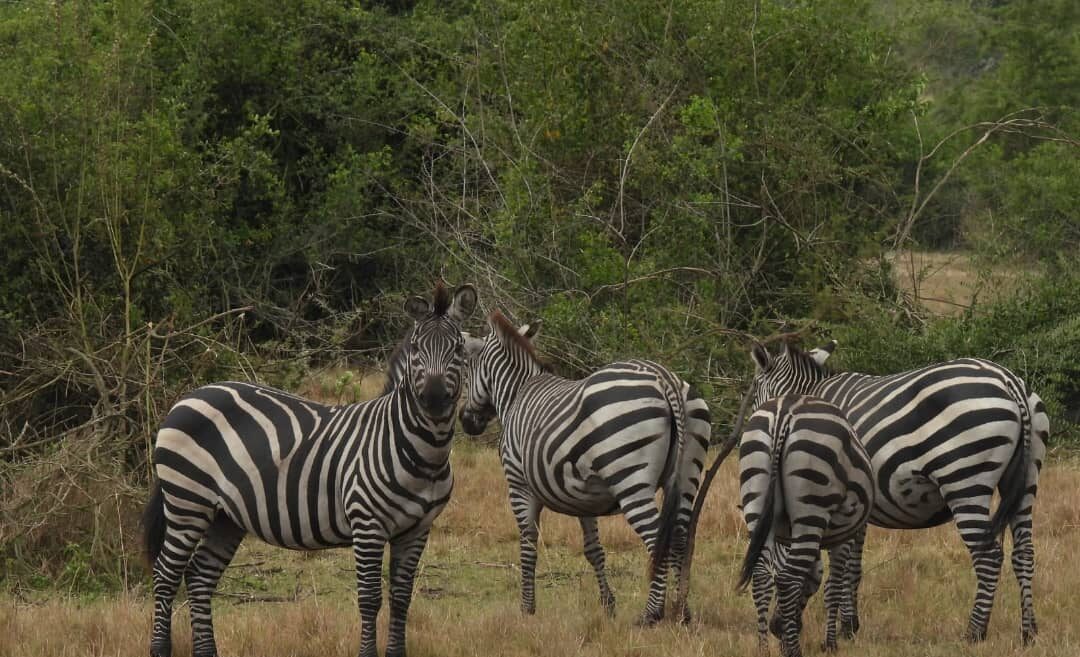
Zebras, elands, impalas, topi, and buffalo dominate the landscape, while hippos and crocodiles inhabit the lakes. The absence of lions makes Lake Mburo especially suitable for walking safaris, horseback safaris, and cycling experiences, allowing visitors to explore wildlife on foot in a safe and immersive way. Birdlife is exceptional, particularly around the wetlands, making the park a favorite for bird photographers and nature lovers.
Semuliki National Park
Semuliki National Park offers a rare Central African ecosystem within Uganda, characterized by lowland tropical rainforest and hot springs. Tucked away in the Albertine Rift Valley, the park feels remote and mysterious, with dense vegetation and a strong sense of wilderness.
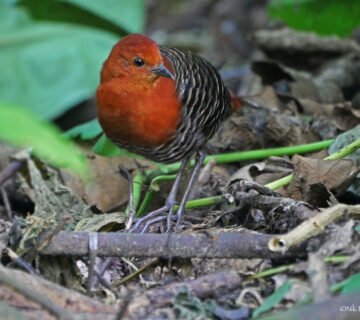
Semuliki is particularly attractive to birders, hosting many species found nowhere else in Uganda. Forest mammals such as forest buffalo, pygmy hippos, and various primates inhabit the park, though sightings require patience and careful observation. The Sempaya hot springs add a dramatic geological feature that enhances the park’s appeal for adventurous travelers.
Pian Upe Wildlife Reserve
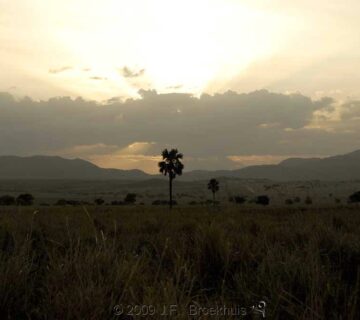
Pian Upe is one of Uganda’s least visited yet most expansive conservation areas, offering vast open landscapes and a true sense of isolation. Although technically a wildlife reserve rather than a national park, it holds immense value for wildlife enthusiasts seeking off-the-beaten-path experiences.
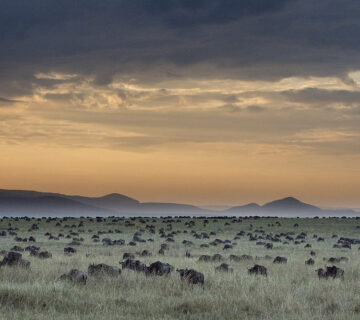
The reserve supports cheetahs, leopards, hyenas, ostriches, roan antelopes, and numerous bird species adapted to semi-arid environments. Game viewing here feels exploratory rather than predictable, rewarding patience with rare and exciting sightings. The open plains and distant mountain ranges provide dramatic scenery rarely associated with Uganda.
Mount Elgon National Park
Mount Elgon National Park combines wildlife, scenery, and adventure, making it an excellent alternative to traditional savanna safaris. Centered around an ancient extinct volcano, the park features montane forests, caves, waterfalls, and high-altitude moorlands.
Wildlife sightings include forest elephants, buffalo, primates, and a rich variety of bird species, particularly at higher elevations. While animals are more elusive than in open savannas, the park excels in landscape photography, hiking experiences, and birdwatching. Its quieter trails make it ideal for travelers who enjoy nature exploration beyond game drives.
Toro-Semliki Wildlife Reserve
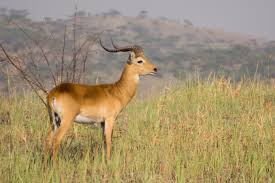
Toro-Semliki Wildlife Reserve bridges the gap between savanna and forest ecosystems, creating a unique environment for wildlife observation. Located near the western rift valley, the reserve supports elephants, buffalo, Uganda kob, waterbuck, and primates along its riverine forests.
The reserve’s low visitor numbers allow for peaceful game viewing and strong photographic opportunities, especially during early mornings when wildlife moves across open plains. Bird diversity is high, and the Semuliki River attracts both resident and migratory species.
 Katonga Wildlife Reserve
Katonga Wildlife Reserve is a hidden gem defined by wetlands and river systems rather than open savanna. Located between Lake Victoria and Lake George, the reserve protects an important water catchment area that supports sitatunga antelope, otters, hippos, and numerous waterbirds.
Exploration here focuses on guided walks and boat-based observation rather than traditional game drives. The quiet, marshy landscapes offer a completely different wildlife experience, ideal for travelers interested in wetland ecosystems and conservation-focused tourism.
Why Choose Lesser-Known Parks
Uganda’s lesser-known parks offer intimacy and authenticity that larger parks sometimes lack. Fewer vehicles mean less pressure on wildlife and more natural animal behavior. These destinations are ideal for repeat visitors to Uganda, photographers seeking undisturbed scenes, and travelers who value exploration over checklist tourism.
They also play a critical role in conservation by spreading tourism benefits across more regions, supporting local communities, and protecting diverse ecosystems beyond the flagship parks.
Conservation Value and Responsible Travel
Visiting lesser-known parks directly contributes to their survival and protection. Tourism revenue helps fund ranger patrols, habitat management, and community outreach programs. Responsible travel to these areas encourages sustainable development while preserving fragile environments and wildlife populations.
By choosing these parks, travelers help ensure that conservation efforts extend beyond the most famous destinations.
Uganda’s lesser-known parks reveal the country’s true depth as a wildlife destination. From the wetlands of Katonga and the savannas of Pian Upe to the forests of Semuliki and the hills of Mount Elgon, these hidden landscapes offer rewarding experiences for wildlife enthusiasts seeking something different. They prove that Uganda’s wildlife story extends far beyond its most famous parks, waiting to be discovered by those willing to explore quietly and deeply.