Queen Elizabeth National Park: Where Wildlife Thrives
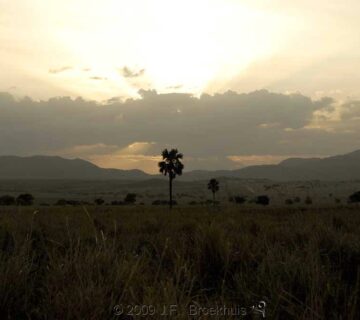
Queen Elizabeth National Park stands as one of Uganda’s most biologically diverse and scenic protected areas. Stretching from the foothills of the Rwenzori Mountains to the shores of Lake Edward and Lake George, the park is defined by vast savannas, crater lakes, wetlands, forests, and the life-giving Kazinga Channel. This remarkable variety of habitats allows wildlife to flourish, making Queen Elizabeth National Park one of the most rewarding safari destinations in East Africa.
A Landscape Shaped for Biodiversity
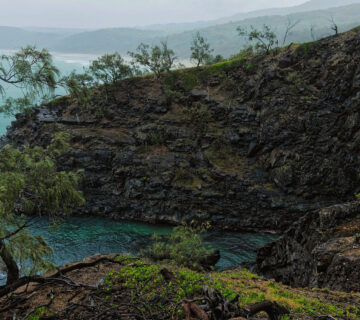
Queen Elizabeth National Park’s ecological diversity is the foundation of its rich wildlife populations. Open grasslands support large herbivores, while dense thickets and riverine forests provide cover for predators and primates. The crater lakes scattered across the park create unique microhabitats that attract birds, mammals, and aquatic species throughout the year.
This mosaic of environments allows different species to coexist within a relatively compact area, offering visitors an exceptional range of wildlife experiences in a single destination.
Big Game Encounters on the Kasenyi Plains
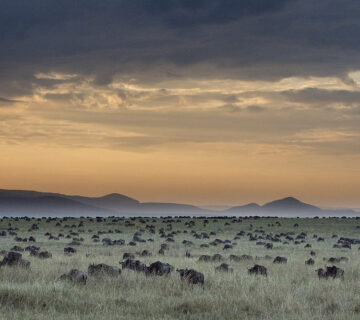
The Kasenyi Plains are the heart of classic game viewing in the park. These open savannas are home to large herds of Uganda kob, which in turn attract predators such as lions and leopards. Early morning and late afternoon game drives often reveal lions stalking prey, buffalo moving in massive herds, and elephants feeding across the plains.
Leopards are present but elusive, rewarding patient observers with rare and memorable sightings, especially during cooler hours when they become more active.
The Kazinga Channel: A Wildlife Lifeline
The Kazinga Channel is one of the most wildlife-rich waterways in Africa. Connecting Lake Edward and Lake George, this natural channel supports an extraordinary concentration of hippos, Nile crocodiles, and water-dependent mammals. Elephants and buffalo regularly gather along the banks to drink and cool off, creating constant activity along the shoreline.
Boat safaris on the Kazinga Channel offer close-range encounters with wildlife and provide excellent opportunities for photography. The slow pace of the cruise allows visitors to observe animal behavior in a calm, immersive setting that contrasts beautifully with traditional game drives.
Ishasha Sector and the Tree-Climbing Lions
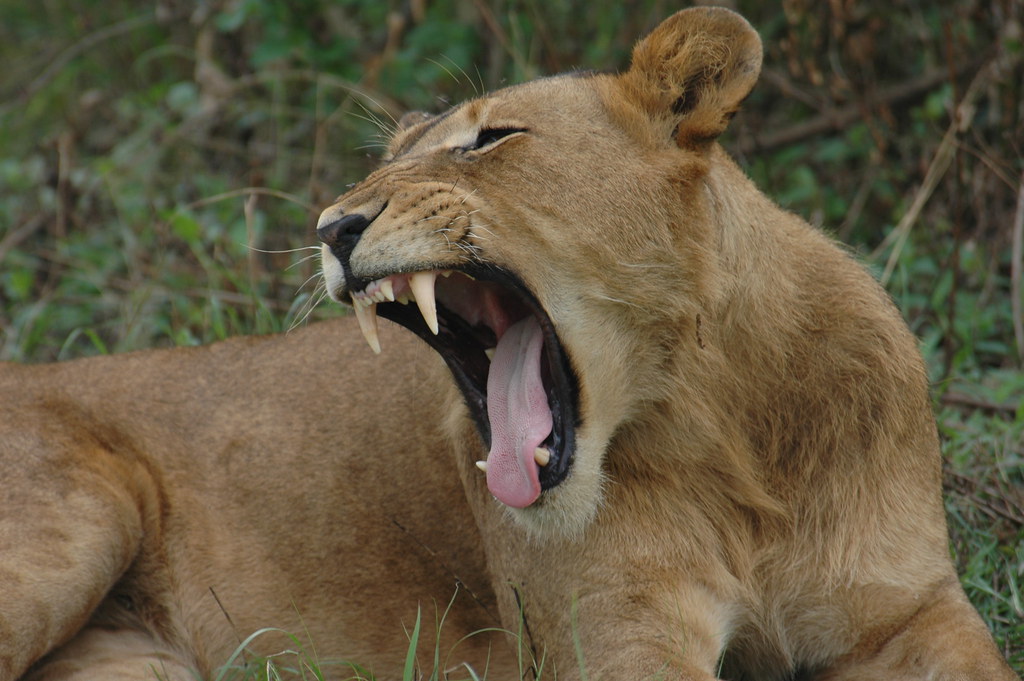
The Ishasha sector in the southern part of the park is internationally famous for its tree-climbing lions. These lions are often seen resting in fig and acacia trees during the day, an unusual behavior believed to help them escape ground heat and insects while monitoring prey.
Ishasha’s remote and less-visited landscapes create a sense of wilderness and exclusivity, with sightings often occurring without the presence of multiple safari vehicles. The area also supports elephants, buffalo, topi, and a wide range of birdlife.
Primate and Forest Wildlife Experiences
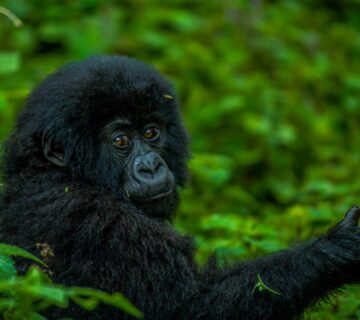
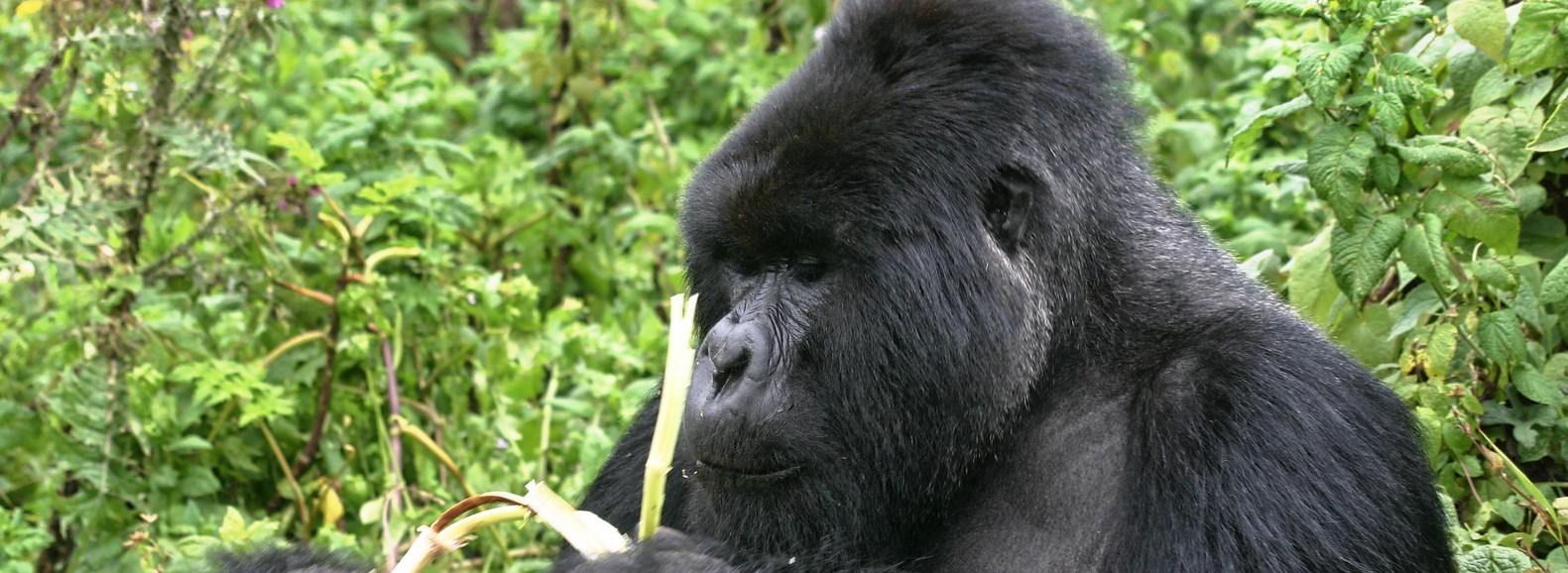
Queen Elizabeth National Park is not only about savanna wildlife. The Kyambura Gorge, a lush forested ravine cutting through the park, is home to chimpanzees and other primates such as black-and-white colobus monkeys and red-tailed monkeys.
Tracking chimpanzees in Kyambura offers a dramatic contrast to open savanna safaris, with steep forest trails, dense vegetation, and echoing primate calls creating an intense and immersive experience.
Birdlife: A Paradise for Birdwatchers
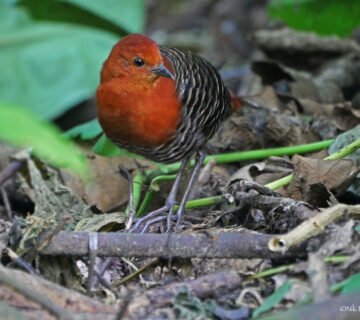
With over 600 recorded bird species, Queen Elizabeth National Park is one of Africa’s top birding destinations. The park’s wetlands, lakes, forests, and savannas attract both resident and migratory species, making birding productive throughout the year.
Notable sightings include the African fish eagle, saddle-billed stork, African skimmer, shoebill in select areas, and a wide variety of kingfishers, herons, and raptors. The diversity of habitats allows birders to encounter multiple ecosystems in a single safari.
Seasonal Wildlife Dynamics
Wildlife viewing in Queen Elizabeth National Park changes with the seasons. During drier months, animals concentrate around water sources such as the Kazinga Channel and crater lakes, improving visibility and predator activity. Greener months bring lush landscapes, newborn animals, and dramatic skies, offering a different but equally rewarding safari atmosphere.
This seasonal variation ensures that each visit presents a unique perspective on the park’s ecological rhythms.
Conservation and Community Impact
Queen Elizabeth National Park plays a vital role in Uganda’s conservation landscape. Tourism revenue supports wildlife protection, anti-poaching patrols, habitat management, and community development projects in surrounding areas.
Local communities benefit from employment, revenue-sharing initiatives, and conservation education, strengthening coexistence between people and wildlife and ensuring long-term protection of the park’s ecosystems.
Photography Opportunities in the Park
The park’s diversity makes it a dream destination for wildlife and landscape photography. Open plains provide classic safari compositions, while the Kazinga Channel offers close-up wildlife portraits and water reflections. Crater lakes and distant mountain views add dramatic backdrops that elevate visual storytelling.
Low vehicle density compared to more crowded safari destinations allows photographers to work patiently and capture natural behavior without pressure.
Queen Elizabeth National Park is truly a place where wildlife thrives. Its extraordinary mix of landscapes, abundant animal populations, and immersive safari experiences make it one of Uganda’s most complete and compelling national parks. From tree-climbing lions and hippo-filled waterways to chimpanzees and world-class birdlife, the park offers an authentic, conservation-driven safari experience that captures the essence of Uganda’s natural heritage.