Wildlife Photography Tips for Uganda Safaris
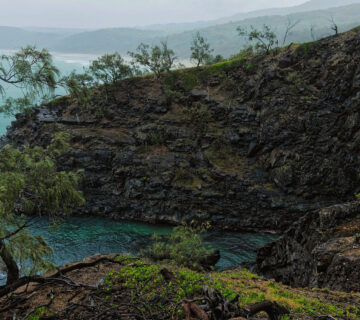
Uganda is one of Africa’s most rewarding destinations for wildlife photography, offering a rare combination of primates, big game, birds, and dramatic landscapes. From misty rainforests and sweeping savannas to rivers, wetlands, and volcanic backdrops, the country presents endless creative possibilities. Capturing Uganda’s wildlife successfully requires preparation, patience, and an understanding of both animal behavior and local conditions.
Understanding Uganda’s Wildlife Environments
Uganda’s varied ecosystems demand adaptable photography techniques. Forest environments such as Bwindi Impenetrable Forest and Kibale Forest National Park are dimly lit, humid, and dense, while savanna parks like Queen Elizabeth, Murchison Falls, and Kidepo Valley offer open landscapes with intense sunlight and dust.
Recognizing how light behaves in each environment is critical. Forests require higher ISO performance and fast lenses, while open plains reward careful exposure control and creative use of shadows during early morning and late afternoon hours.
Choosing the Right Time for Photography
Timing plays a decisive role in wildlife photography success. Early mornings and late afternoons provide softer light, richer colors, and increased animal activity. Predators such as lions and leopards are more active during these cooler hours, while birds become highly visible as they forage and fly.
Seasonality also matters. Dry seasons generally offer better visibility and concentrated wildlife around water sources, while green seasons deliver lush scenery, dramatic skies, and excellent bird photography, particularly for migratory species.
Mastering Primate Photography in Forests
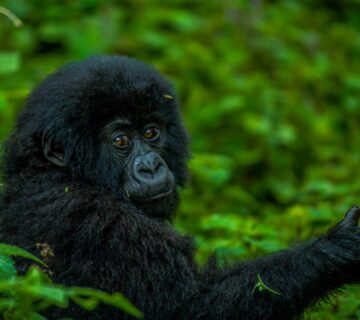
Uganda’s primates require a thoughtful and ethical approach. Gorilla and chimpanzee photography is often conducted under low-light conditions, where fast shutter speeds and wide apertures are essential. Movement can be sudden, especially with chimpanzees and monkeys, making quick reactions crucial.
Capturing emotion and behavior is more powerful than simply documenting presence. Facial expressions, social interactions, and environmental context help tell a compelling story while respecting strict distance and behavior guidelines set by park authorities.
Big Game Photography on Savanna Safaris
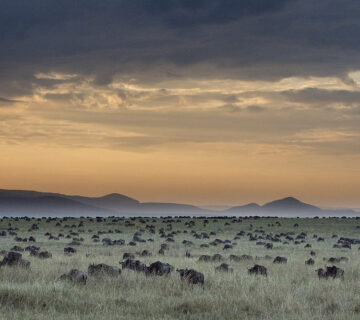
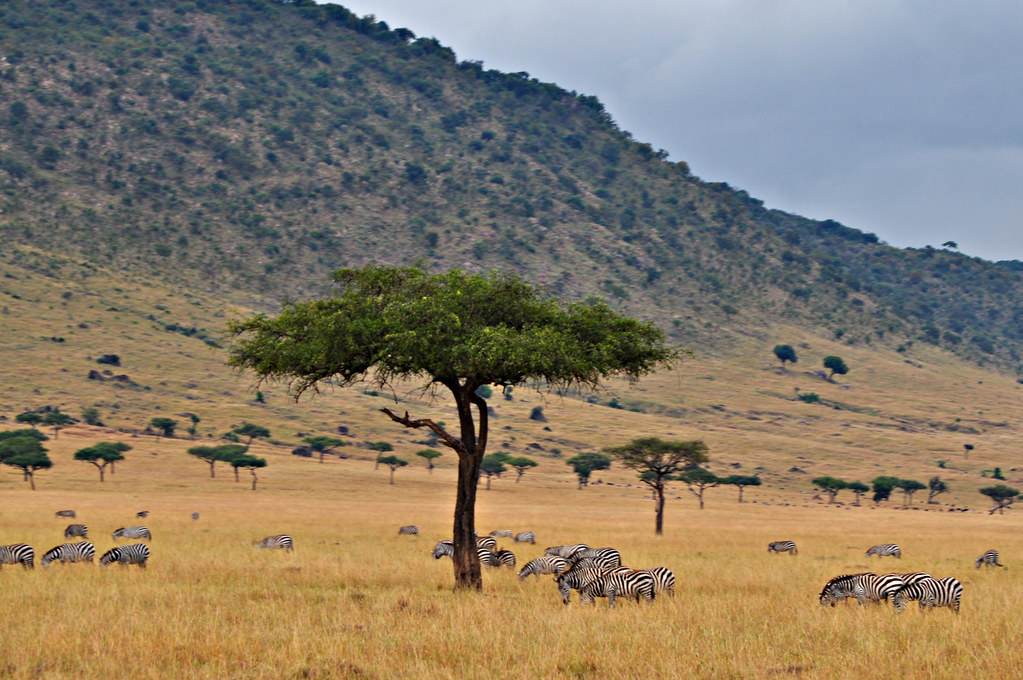
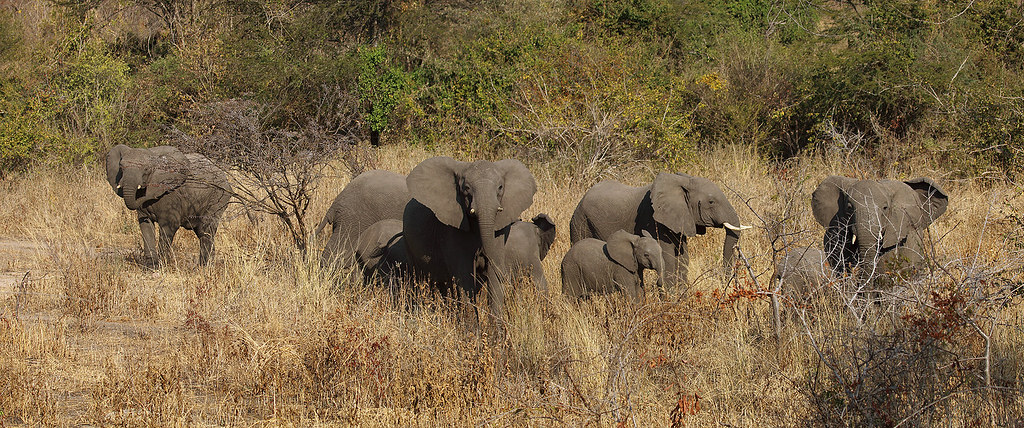
Savanna parks offer classic African wildlife imagery with a Ugandan character. Lions in Ishasha resting in fig trees, elephants crossing the Nile, and giraffes framed against distant escarpments provide iconic scenes.
Composition is key. Including landscape elements such as rivers, hills, and skies adds depth and scale. Patience often rewards photographers with natural behavior rather than staged-looking encounters, especially in Uganda where vehicle congestion is relatively low.
Bird Photography in Uganda’s Diverse Habitats
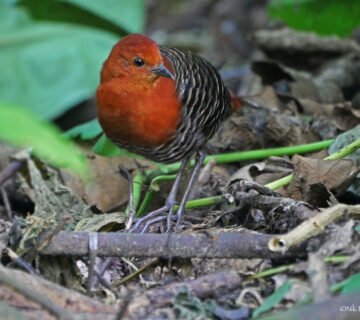
Uganda is a global birding hotspot, and bird photography requires precision and patience. Wetlands, lakeshores, forests, and savannas each host specialized species with unique behaviors. Fast autofocus, high shutter speeds, and careful anticipation of movement improve success.
Photographing birds in flight is particularly rewarding along water bodies like the Nile, Kazinga Channel, and Lake Victoria, where fishing birds provide repeated action opportunities. Forest birds require quiet observation and an ear for calls to locate subjects before they appear visually.
Gear Considerations for Uganda Safaris
Choosing reliable and versatile equipment enhances consistency in the field. Weather conditions vary widely, from dust in dry savannas to humidity and rain in forests. Weather-sealed cameras and lenses offer peace of mind, while sufficient battery backups are essential due to limited charging opportunities in remote lodges.
Lens versatility allows photographers to adapt quickly to unexpected encounters, whether a distant leopard or a close gorilla family.
Working with Guides and Drivers
Experienced guides are one of the greatest assets for wildlife photographers in Uganda. Their knowledge of animal behavior, habitats, and movement patterns increases the likelihood of meaningful sightings. Clear communication with guides about photography goals often results in better positioning and extended viewing time.
Respectful collaboration ensures both safety and ethical wildlife observation, while enhancing storytelling opportunities.
Ethical Wildlife Photography Practices
Ethics are fundamental to responsible wildlife photography. Maintaining safe distances, avoiding flash use, and respecting animal comfort zones protect both wildlife and visitors. Uganda’s conservation success depends on tourism that prioritizes animal welfare over aggressive image capture.
Photographs that reflect natural behavior and authentic environments carry more value than forced or intrusive shots.
Telling a Story Through Your Images
Strong wildlife photography goes beyond individual images to tell a broader story. Capturing interactions, habitats, and subtle details such as tracks, textures, and light transitions creates a narrative that reflects Uganda’s ecological richness.
Including people when appropriate, such as rangers or researchers, can add context and highlight the conservation efforts that protect wildlife.
Wildlife photography in Uganda is deeply rewarding for those willing to observe patiently, adapt creatively, and respect nature. Whether tracking gorillas in misty forests, waiting for lions at sunrise, or capturing birds in wetlands, Uganda offers photographers authentic, uncrowded, and conservation-driven experiences. With the right approach, Uganda’s safaris provide not just striking images, but meaningful stories of wildlife thriving in one of Africa’s most diverse natural landscapes.