Conservation Tourism in Uganda: Travel That Makes a Difference
Uganda has emerged as one of Africa’s leading destinations for conservation-focused tourism, where travel goes beyond sightseeing to actively support wildlife protection, community livelihoods, and ecosystem preservation. Often referred to as the Pearl of Africa, Uganda’s rich biodiversity, strong conservation frameworks, and community-centered tourism models allow travelers to make a tangible, positive impact simply by choosing responsible travel experiences.
Understanding Conservation Tourism in Uganda
Conservation tourism in Uganda is built on the principle that tourism revenue directly supports nature and people. National park entry fees, primate trekking permits, and guided experiences contribute to habitat protection, anti-poaching operations, research, and community development. Unlike mass tourism models, conservation tourism prioritizes sustainability, low environmental impact, and long-term ecological balance.
This approach ensures that wildlife such as mountain gorillas, chimpanzees, lions, elephants, and rare bird species are protected while surrounding communities benefit economically, reducing reliance on activities that degrade natural habitats.
Gorilla and Chimpanzee Tourism as Conservation Success Stories
Primate tourism stands at the heart of Uganda’s conservation success. Gorilla trekking in Bwindi Impenetrable Forest and Mgahinga Gorilla National Park is a global model for how tourism can save a species from extinction. Strict visitor limits, regulated trekking protocols, and high permit values ensure minimal disturbance while generating critical funding for conservation.
Chimpanzee tracking in Kibale Forest, Budongo Forest, and Kyambura Gorge supports forest protection and scientific research. These experiences also fund ranger training, veterinary interventions, and long-term monitoring programs that safeguard primate populations and their habitats.
National Parks Funded Through Responsible Travel
Uganda’s national parks rely heavily on tourism revenue for conservation operations. Parks such as Queen Elizabeth, Murchison Falls, Kidepo Valley, and Lake Mburo use tourism income to maintain ranger patrols, protect wildlife corridors, and manage human-wildlife conflict.
By visiting these parks, travelers contribute directly to preserving savanna ecosystems, wetlands, river systems, and forests that support some of Africa’s most diverse wildlife populations.
Community-Based Conservation and Local Empowerment
One of Uganda’s strongest conservation tools is community involvement. Revenue-sharing programs ensure that a percentage of park income is invested in local infrastructure such as schools, health centers, clean water projects, and roads. This creates a strong incentive for communities to protect wildlife rather than exploit it.
Community-run lodges, cultural experiences, craft markets, and guiding services allow travelers to engage directly with local people while ensuring tourism benefits remain within the region. This inclusive model reduces conflict, builds local stewardship, and strengthens long-term conservation outcomes.
Conservation Lodges and Eco-Friendly Accommodation
Eco-lodges and conservation-focused camps play a critical role in sustainable tourism. Many lodges near Uganda’s national parks operate on principles of low environmental impact, using solar energy, rainwater harvesting, waste reduction systems, and locally sourced materials.
These lodges often employ local staff, support conservation projects, and educate guests about wildlife protection and responsible travel practices. Staying in such accommodations ensures that tourism spending supports both conservation and community development.
Wildlife Research and Conservation Projects Visitors Can Support
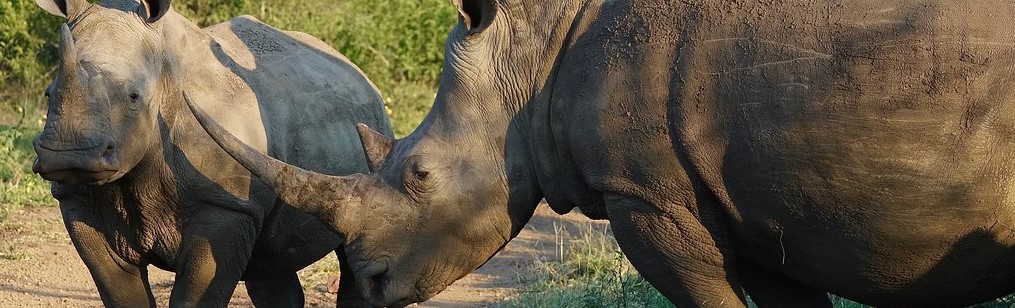
Uganda offers opportunities to visit and learn from active conservation initiatives. Rhino conservation at Ziwa Rhino Sanctuary demonstrates how reintroduction programs can restore species once extinct in the wild. Bird conservation projects, especially in wetlands and forests, protect globally threatened species such as the shoebill.
Some experiences allow travelers to observe research activities, participate in educational programs, or visit sanctuaries that rehabilitate injured wildlife, deepening understanding of conservation challenges and solutions.
Responsible Travel Practices That Matter
Conservation tourism thrives when travelers make informed, ethical choices. Respecting wildlife viewing guidelines, minimizing waste, avoiding single-use plastics, and supporting locally owned businesses all contribute to sustainable tourism. Choosing small-group experiences reduces environmental pressure while enhancing wildlife encounters.
Photography and wildlife observation should always prioritize animal welfare, avoiding disturbance or harmful behavior that could impact natural patterns.
The Long-Term Impact of Conservation Tourism
Conservation tourism in Uganda delivers lasting benefits beyond individual trips. It creates jobs, funds education, strengthens conservation policies, and builds global awareness of biodiversity protection. Most importantly, it proves that wildlife is more valuable alive and protected than exploited.
As tourism continues to grow, Uganda’s conservation-driven approach serves as a model for balancing economic development with environmental responsibility.
Conservation tourism in Uganda is travel with purpose and impact. From trekking mountain gorillas and tracking chimpanzees to supporting community projects and staying in eco-lodges, every journey contributes to protecting wildlife and empowering local communities. For travelers seeking meaningful experiences that leave a positive footprint, Uganda offers the opportunity to explore extraordinary landscapes while actively shaping a sustainable future for nature and people alike.