Uganda’s Rare and Endangered Species You Must See
Uganda, the Pearl of Africa, is renowned for its extraordinary biodiversity, hosting a wealth of rare and endangered species across its forests, savannas, wetlands, and highlands. For wildlife enthusiasts, conservationists, and photographers, Uganda offers unique encounters that combine adventure, education, and meaningful contributions to wildlife protection.
Mountain Gorillas
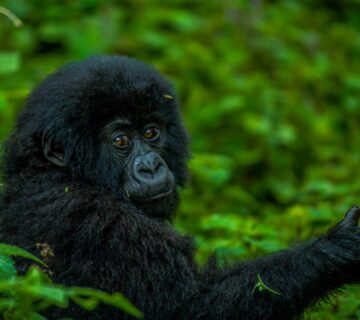
Uganda is one of only three countries where mountain gorillas roam free, primarily in Bwindi Impenetrable Forest and Mgahinga Gorilla National Park. Trekking these gentle giants allows visitors to observe complex social behaviors, parent-offspring interactions, and playful activities, providing both awe-inspiring experiences and direct support for conservation efforts through trekking permits.
Gorilla Trekking Highlights
-
Spend up to one hour observing a gorilla family.
-
Guided treks through dense forests reveal the gorillas’ natural behavior.
-
Trekking fees fund habitat protection, anti-poaching patrols, and community development.
Chimpanzees
Uganda’s chimpanzees inhabit Kibale Forest National Park, Budongo Forest, and other rainforest areas. Known for their intelligence and social complexity, chimpanzees offer visitors an interactive wildlife experience, including foraging, tool use, and vocal communication.
Chimpanzee Trekking Highlights
-
Guided treks through tropical rainforests lasting 2–5 hours.
-
Opportunities to observe playful and social behaviors in their natural habitat.
-
Trekking contributes to conservation programs and local community livelihoods.
African Elephants
Uganda is home to both forest and savanna elephants. Forest elephants are shy and inhabit dense rainforests, while savanna elephants can be found in parks like Murchison Falls National Park, Queen Elizabeth National Park, and Kidepo Valley. Observing these elephants provides insight into their complex social structures and migratory patterns.
Elephant Experiences
-
Game drives allow visitors to observe herds in their natural environment.
-
Photographic safaris provide dramatic shots against savanna plains or riverine landscapes.
-
Conservation initiatives focus on anti-poaching and habitat preservation.
Rhinoceroses
The white rhino, reintroduced to Uganda at Ziwa Rhino Sanctuary, is a major attraction for conservation-minded tourists. Guided rhino tracking allows visitors to get close to these endangered animals while supporting ongoing protection programs.
Rhino Trekking Highlights
-
Participate in walking safaris to observe rhinos safely.
-
Learn about anti-poaching strategies and habitat restoration.
Sanctuary fees support conservation and local communities.
Shoebill Stork
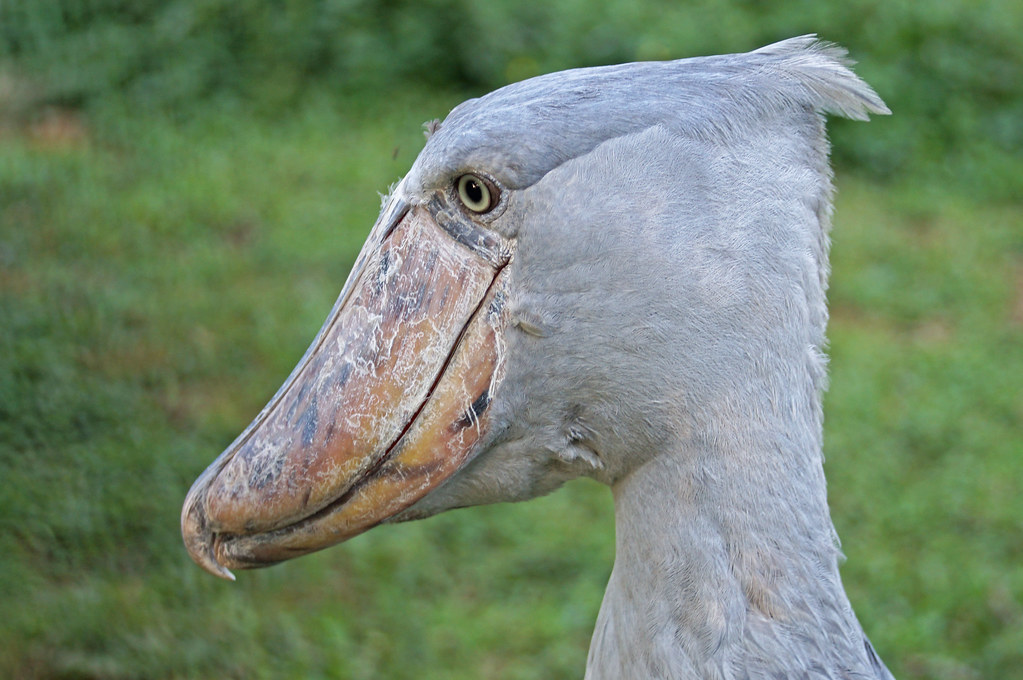
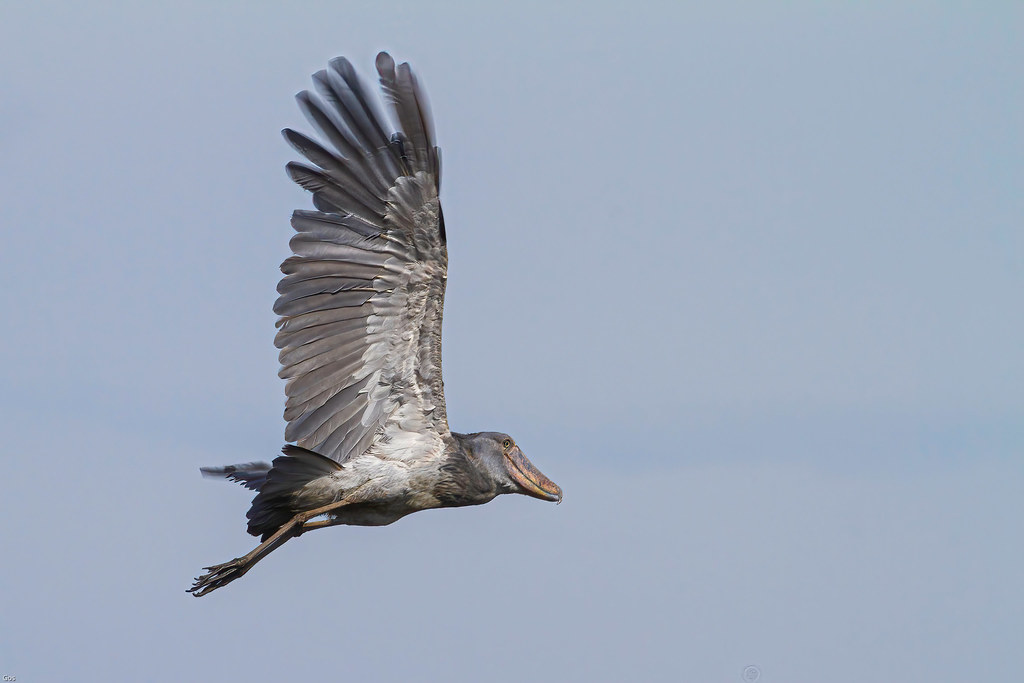
The shoebill stork, one of the world’s most unusual and rare birds, inhabits wetlands such as Mabamba Swamp. Its prehistoric appearance, massive bill, and elusive behavior make it a highlight for birdwatchers and photographers alike.
Shoebill Viewing Tips
-
Early morning boat tours offer the best chance to see shoebills feeding and flying.
-
Binoculars and telephoto lenses enhance observation and photography.
-
Visiting contributes to wetland conservation and local community projects.
Lesser-Known Rare Species
Uganda is home to several other rare and endangered species:
-
Golden monkeys in Mgahinga Gorilla National Park
-
Uganda kob, an endemic antelope species in savannas
-
African wild dogs, highly endangered and found in Kidepo Valley
-
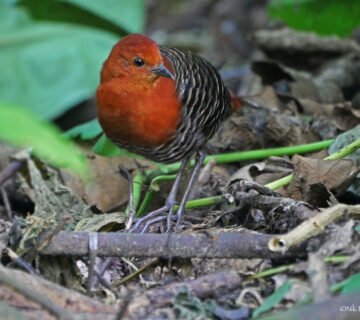
Forest birds like African green broadbill, Rwenzori turaco, and dusky crimsonwing
Conservation and Community Engagement
Wildlife tourism in Uganda is closely tied to conservation and community development. Trekking and safari fees contribute to anti-poaching patrols, habitat restoration, and local initiatives in education, healthcare, and employment. By visiting these sites, travelers directly support the protection of endangered species while benefiting local communities.
Practical Tips for Observing Rare Wildlife
-
Book permits early: Gorilla and chimpanzee permits are limited and in high demand.
-
Hire experienced guides: Local guides increase chances of sightings and provide expert insights.
-
Gear: Use binoculars, cameras with telephoto lenses, waterproof clothing, and hiking boots.
-
Seasonal considerations: Dry seasons (June–August, December–February) provide easier access, while wet seasons showcase lush landscapes and breeding activity.
-
Respect wildlife: Maintain safe distances, avoid disturbing feeding or nesting, and follow park regulations.
Combining Wildlife Experiences
-
Pair gorilla trekking with birdwatching in Bwindi or Mgahinga.
-
Combine Big Five safaris with visits to wetlands and lakes to see rare bird species.
-
Explore cultural tourism by visiting local communities, learning about traditional practices that coexist with wildlife.
Uganda is a treasure trove of rare and endangered species, offering experiences that are both thrilling and educational. From the iconic mountain gorillas and chimpanzees to elusive forest elephants, rhinos, and shoebills, every encounter fosters appreciation for the natural world and emphasizes the importance of conservation. Traveling to Uganda is not only an adventure but also a meaningful contribution to preserving some of Africa’s most extraordinary wildlife.