Backpacking and Budget Travel in Uganda: Exploring the Pearl of Africa on a Budget
Uganda, the Pearl of Africa, offers a wealth of experiences for travelers on a budget. From gorilla and chimpanzee trekking to hiking mountains, exploring lakes, and immersing in vibrant cultures, it is possible to enjoy the country’s highlights without overspending. Backpacking in Uganda requires careful planning, flexibility, and an adventurous spirit, and it rewards travelers with authentic experiences, closer interactions with local communities, and unforgettable natural encounters.
Budget Accommodation Options
Backpackers in Uganda can find a variety of affordable lodging options ranging from hostels and guesthouses to budget lodges and campsites. Many national parks, including Lake Mburo, Queen Elizabeth, and Murchison Falls, have campsites with basic facilities that allow travelers to stay immersed in nature at a fraction of the cost of luxury lodges.
Community-run homestays provide a unique budget-friendly option, offering cultural immersion while supporting local livelihoods. Hostels and guesthouses in towns such as Kampala, Jinja, Fort Portal, and Kisoro often include shared kitchens, communal spaces, and opportunities to meet fellow travelers. For solo backpackers, these accommodations are ideal for safety, social interaction, and planning group excursions.
Affordable Transport Options
Budget travelers often rely on Uganda’s public transport network, including boda-bodas (motorcycle taxis), matatus (shared minibuses), and long-distance buses. While road travel can be slow, it provides an authentic view of the country’s landscapes and local life.
For national park access, combining public buses with shared safari vehicles or joining small-group tours reduces costs significantly compared to private transfers. Domestic flights are typically avoided by backpackers unless essential due to their higher cost. However, well-planned road travel allows for scenic stops and spontaneous exploration of rural towns and markets.
Budget-Friendly Safari and Wildlife Experiences
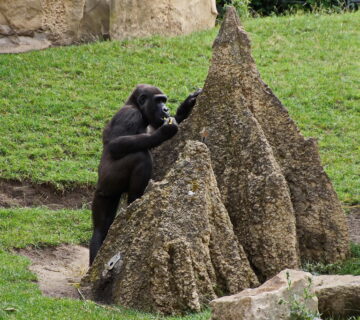
While gorilla trekking is expensive, budget-conscious travelers can explore chimpanzee trekking in Kibale Forest, golden monkey tracking in Mgahinga, or birdwatching in Semliki and Bwindi, which are more affordable yet offer remarkable wildlife encounters.
Parks such as Lake Mburo provide walking safaris at lower rates than private game drives. Shared group game drives in Queen Elizabeth or Murchison Falls allow backpackers to experience the Big Five and other wildlife without incurring the costs of private tours.
Adventure enthusiasts on a budget can also enjoy hiking trails, waterfall excursions, and canoeing or kayaking trips at local community-run centers, which often provide more affordable rates than luxury operators.
Eating on a Budget
Uganda’s local cuisine is both affordable and delicious. Backpackers can eat at roadside eateries or local restaurants offering staples like matoke (steamed plantains), posho (maize porridge), beans, grilled fish, chapati, and groundnut sauce. Markets provide fresh fruits, vegetables, and snacks at low cost. Many hostels and guesthouses offer self-catering kitchens, allowing travelers to prepare meals and save money.

Safety and Practical Tips for Budget Travelers
Safety remains a priority for backpackers in Uganda:
-
Stick to well-reviewed accommodations and use reputable tour operators for park visits.
-
Keep valuables secure and carry limited cash.
-
Use insect repellents, mosquito nets, and first aid kits to prevent illness.
-
Dress modestly in towns and villages to respect local customs.
-
Plan travel routes carefully, especially during the green season, when some roads may be muddy or challenging.
Cultural and Community Experiences
Budget travelers can gain rich cultural experiences at little cost. Visiting local markets, traditional craft workshops, and community centers allows interaction with Ugandan communities. Backpackers can participate in cooking classes, learn traditional crafts, or join village walks, which are inexpensive and provide meaningful immersion. These activities also support local economies and foster sustainable tourism.
Seasonal Considerations for Budget Travel
The dry season (December–February and June–August) is ideal for overland travel, trekking, and safaris due to easier road conditions and accessible trails. The green season (March–May and September–November) offers fewer crowds, lush landscapes, and abundant wildlife, though travelers should be prepared for rain and occasional transport delays. Backpackers should carry waterproof gear, durable footwear, and flexible itineraries during this period.
Additional Budget Tips
-
Travel in groups where possible for safaris and guided tours to share costs.
-
Negotiate rates at local markets and for transport, but do so respectfully.
-
Book permits early, especially for chimpanzee trekking, to secure availability and potentially lower fees.
-
Plan multi-destination routes to minimize backtracking and reduce transport expenses.
-
Engage local guides for hikes and treks, which is often cheaper than agency-organized trips and ensures authentic insight into the environment.
Backpacking Uganda on a Budget
Uganda offers an incredible variety of experiences for budget travelers, from wildlife safaris and mountain treks to lakeside retreats and cultural immersion. With careful planning, the use of public transport, affordable accommodations, and smart activity choices, backpackers can explore the country fully while keeping costs low. This approach allows travelers to enjoy Uganda’s unique landscapes, wildlife, and culture authentically, creating meaningful and unforgettable travel experiences.