Best Time to Visit Uganda for Safaris: Timing Your Adventure in the Pearl of Africa
Uganda, famously known as the Pearl of Africa, offers incredible safari experiences year-round, from tracking mountain gorillas in misty forests to witnessing elephants roam savannas and spotting rare birds in wetlands. However, understanding the best times to visit ensures that travelers can maximize wildlife encounters, enjoy favorable weather, and access Uganda’s diverse landscapes comfortably. Choosing the right season can enhance every aspect of a safari, whether it’s gorilla trekking, birdwatching, or classic big game photography.
Understanding Uganda’s Climate
Uganda lies astride the Equator, giving it a relatively stable temperature year-round, with daily highs typically ranging between 24°C and 30°C. The country’s climate is more defined by rainfall patterns than temperature fluctuations. There are two main rainy seasons: March to May (the long rains) and September to November (the short rains). Dry seasons occur from December to February and June to August, with less precipitation, clearer skies, and more predictable road conditions.
Rainfall patterns vary across regions. The western highlands, home to Bwindi Impenetrable Forest and Mgahinga Gorilla National Park, experience more rainfall than savanna regions such as Queen Elizabeth National Park and Murchison Falls. Understanding these regional differences helps travelers plan activities like gorilla trekking, game drives, and birding expeditions.
Gorilla Trekking: Optimal Times
Mountain gorillas in Bwindi and Mgahinga can be visited year-round, but the dry seasons are generally preferred for trekking. From June to August and December to February, trails are less muddy, making hikes more manageable and photography easier. The forest is still lush during these months, providing striking landscapes and excellent opportunities for capturing gorilla behavior.
During rainy months, trekking is possible, but trails become slippery, and rain can limit visibility and photographic opportunities. Nevertheless, the forest’s greenery is particularly vibrant, and wildlife is still active, offering a rewarding experience for prepared trekkers.
Savanna and Big Game Safaris
For savanna wildlife in parks like Queen Elizabeth, Murchison Falls, and Lake Mburo, the dry seasons are ideal. Animals concentrate around water sources, making them easier to spot and photograph. Open plains and clear skies enhance visibility for game drives and wildlife photography.
During the wet season, grasslands become dense, and some dirt roads may be difficult to navigate, potentially limiting access to certain areas. However, the wet season brings spectacular scenery, fewer tourists, and abundant birdlife, making it attractive for nature enthusiasts and photographers who enjoy vibrant landscapes.
Birdwatching and Water-Based Safaris
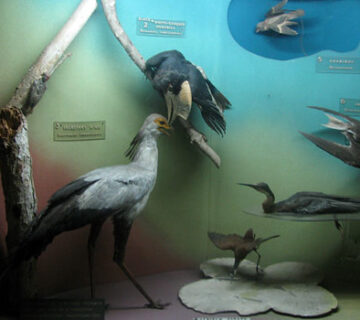
Uganda’s wetlands, lakes, and river systems make it a haven for birdwatchers. Birding is excellent year-round, but migratory species are more prevalent between September and April. Mabamba Bay is particularly famous for Shoebill sightings, and early mornings in both dry and wet seasons provide ideal light for photography and observation.
Water-based safaris on the Kazinga Channel or the Nile are also best enjoyed during dry periods, when boat travel is smoother and wildlife congregates near the water. The wet season offers dramatic water levels, lush surroundings, and unique photographic opportunities, though occasional heavy rains can affect travel schedules.
Advantages of Traveling During the Shoulder Seasons
The months immediately following or preceding the rainy season—June and November—are considered shoulder seasons. During these periods, the parks are less crowded, accommodation may be more readily available, and wildlife is still visible. Photography conditions remain favorable, with a balance of lush landscapes and accessible trails.
Planning Considerations
Travelers should also consider factors such as flight availability, lodge occupancy, and personal preferences for crowds and scenery. Early booking is recommended for gorilla trekking permits, particularly during peak dry season months, as these permits are limited and in high demand. Choosing guided tours with experienced operators ensures smooth logistics regardless of the season.
Choosing the Best Safari Timing
While Uganda offers remarkable safari experiences throughout the year, the optimal timing depends on the type of wildlife adventure desired. Dry seasons from December to February and June to August are ideal for gorilla trekking, savanna game drives, and photography, offering manageable trails and concentrated wildlife sightings. Wet seasons provide lush landscapes, vibrant birdlife, and fewer tourists, appealing to nature enthusiasts and photographers seeking dramatic imagery. Understanding Uganda’s climate and seasonal dynamics enables travelers to plan safaris that maximize both enjoyment and memorable wildlife encounters.