
Traditional Ugandan Dishes Travelers Should Try: A Culinary Journey Through the Pearl of Africa
Uganda is a land of diverse cultures, landscapes, and flavors, and its traditional dishes are a reflection of this richness. From hearty staples and slow-cooked stews to exotic delicacies and street food favorites, Ugandan cuisine offers travelers an authentic taste of the country’s heritage. Exploring these dishes provides insight into local traditions, cooking techniques, and the cultural significance of food in everyday life.
Matoke: Steamed Green Bananas
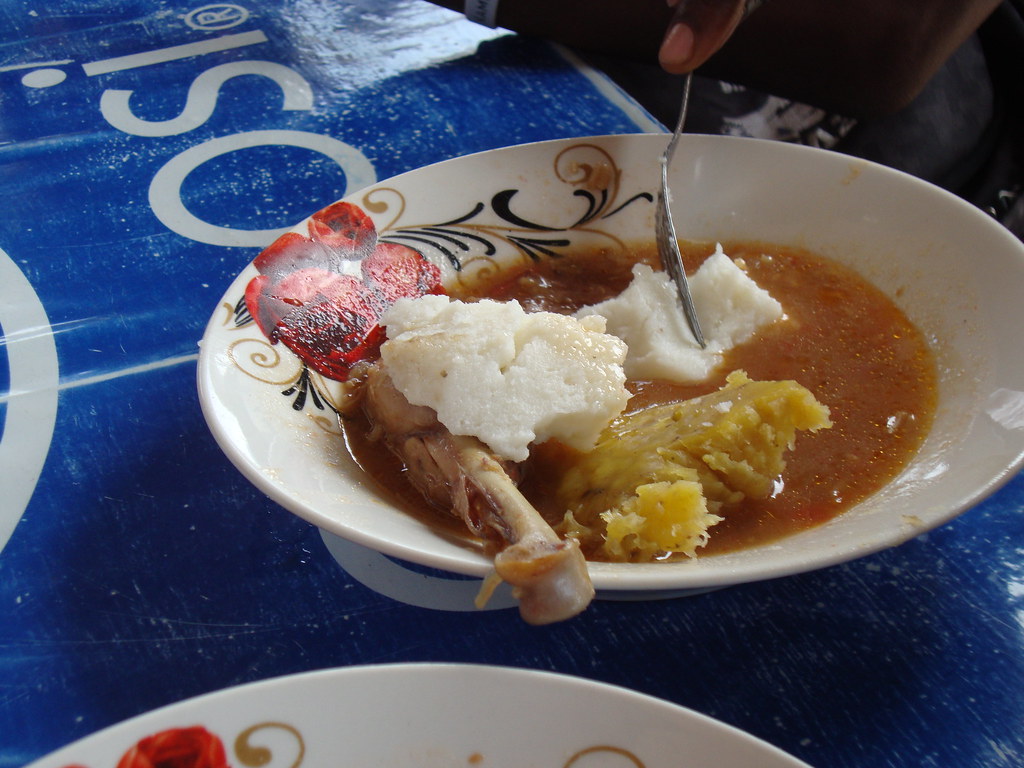
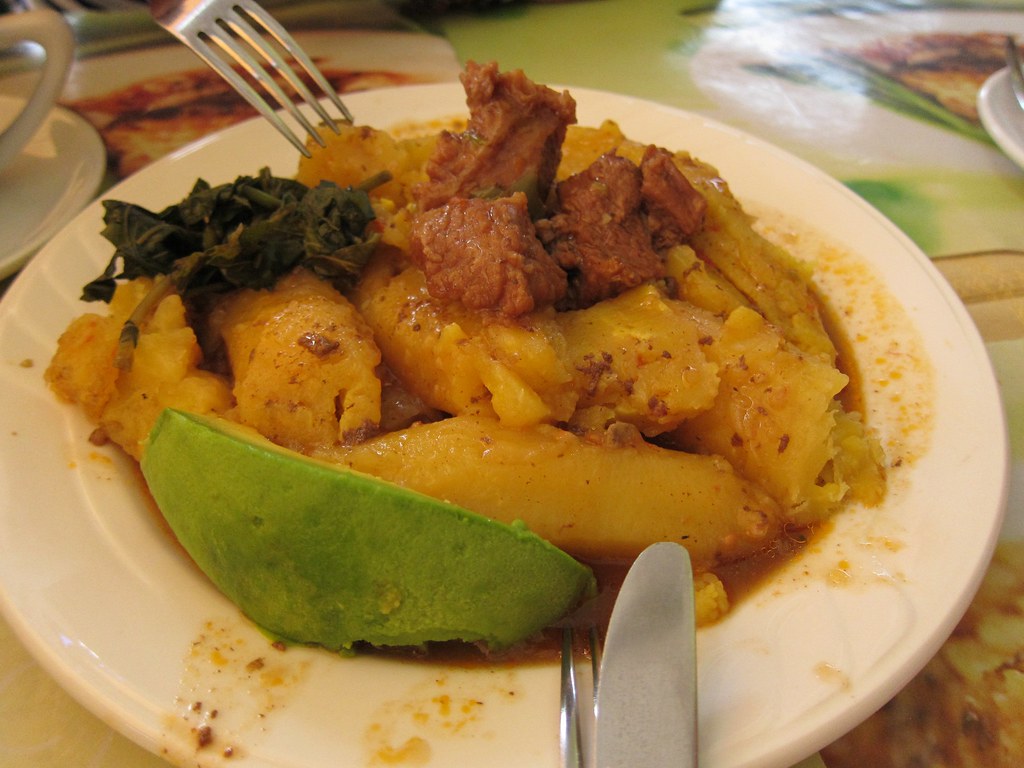
Matoke is Uganda’s most iconic dish and a staple in central and western regions. Steamed green bananas are peeled, boiled, and often mashed, then cooked with peanuts, beans, beef, or a rich groundnut sauce. Matoke is not only a source of nourishment but also a symbol of communal dining, often shared during family gatherings and traditional ceremonies. Travelers can enjoy matoke in restaurants, cultural villages, or homemade in local homes, learning the traditional preparation techniques.
Luwombo: Banana Leaf Stew
Luwombo is a slow-cooked stew made with chicken, beef, goat, or vegetables, wrapped and steamed in banana leaves. This traditional cooking method preserves flavors, infuses aroma, and highlights Uganda’s ingenuity in using local ingredients. Luwombo is often served with staples such as posho, rice, or matoke. Participating in a luwombo cooking session provides travelers with hands-on experience and an understanding of the cultural significance of communal feasts.
Posho: Cornmeal Porridge
Posho, a maize flour porridge, is a versatile staple across Uganda. It is served alongside stews, beans, vegetables, or meat, and is particularly common in central and northern Uganda. The dish is filling, affordable, and integral to daily meals, offering travelers a taste of everyday Ugandan life. Posho can also be paired with traditional sauces like groundnut or bean stews for a complete experience.
Nyama Choma: Grilled Meat
Nyama Choma, meaning “grilled meat,” is a favorite in Uganda’s pastoralist regions such as Karamoja and Ankole. Goat, beef, and chicken are often marinated with local spices and grilled over open flames, producing smoky, flavorful dishes. Served with local sides like posho, cassava, or vegetables, nyama choma is both a culinary and social experience, often accompanied by music and communal gatherings.
Kikomando: Beans and Chapati
Kikomando is a popular street food dish consisting of sliced chapati mixed with beans. It is affordable, protein-rich, and widely enjoyed by locals in urban centers such as Kampala. The dish is often enhanced with tomatoes, onions, and chili for extra flavor. Sampling kikomando provides travelers with an authentic urban culinary experience.
Freshwater Fish: Nile Perch and Tilapia
With Uganda’s lakes and rivers, freshwater fish is a culinary highlight. Nile perch and tilapia are commonly grilled, fried, or cooked in rich stews with local spices. Lakeside communities around Lake Victoria, Lake Bunyonyi, and Lake Albert offer immersive experiences, allowing travelers to see fishing, cleaning, and cooking techniques firsthand. Fish dishes are often served with staples like matoke, cassava, or sweet potatoes.
Nsenene and Nswaa: Seasonal Delicacies
Ugandan cuisine includes unique seasonal treats such as nsenene (fried grasshoppers) and nswaa (fried termites). These insects are rich in protein and are considered delicacies during specific months. Consuming nsenene or nswaa offers travelers a taste of traditional food culture and seasonal eating practices in rural communities.
Groundnut and Bean Stews
Stews made from groundnuts (peanuts) or beans are central to Ugandan meals. Groundnut sauce is often paired with matoke, posho, or rice, while bean stews can be cooked with vegetables, tomatoes, and spices. These dishes highlight the use of local ingredients and the emphasis on hearty, communal meals.
Tropical Fruits: Mangoes, Pineapples, and Papayas
Uganda’s fertile land produces a variety of tropical fruits that complement meals or serve as snacks. Mangoes, pineapples, papayas, passion fruits, and guavas are abundant and often served fresh, juiced, or in fruit salads. Farm visits and markets allow travelers to taste the freshest produce while learning about sustainable cultivation practices.
Tips for Trying Traditional Ugandan Dishes
To fully enjoy Uganda’s culinary offerings: sample dishes from different regions, participate in cooking demonstrations, visit local markets, and ask about ingredients and preparation methods. Travelers should also respect local dining customs, including communal eating practices and meal etiquette.
Uganda’s traditional dishes provide a window into the country’s culture, history, and daily life. From matoke and luwombo to nyama choma, kikomando, freshwater fish, and seasonal delicacies like nsenene, each dish tells a story of community, heritage, and creativity. For travelers seeking an authentic and immersive culinary journey, sampling Uganda’s traditional foods is an essential and unforgettable experience.