
Uganda’s Colonial History Attractions: Exploring the Legacy of the Past
Uganda’s colonial history is a fascinating chapter in the country’s story, reflecting the intersection of local kingdoms, European influence, and the struggle for independence. From forts and administrative buildings to museums and heritage trails, the country offers travelers a chance to explore the tangible remnants of colonial rule and understand their impact on Ugandan society. Visiting these sites provides historical insight, cultural context, and a deeper appreciation for Uganda’s journey to nationhood.
Fort Lugard and Early Administrative Centers
Fort Lugard in Entebbe is one of the most significant colonial landmarks in Uganda. Established by Sir Frederick Lugard in the late 19th century, the fort served as a base for British administration during the early years of colonial rule. Visitors can explore the remaining structures, learn about Lugard’s role in consolidating British influence, and understand how these early administrative efforts shaped Uganda’s political landscape.
Other colonial administrative centers, scattered across regions like Kampala, Jinja, and western Uganda, reveal how the British established governance systems, trade networks, and legal frameworks. These sites offer a glimpse into the structural and bureaucratic foundations that influenced modern Uganda.
Uganda Museum and Colonial Exhibits
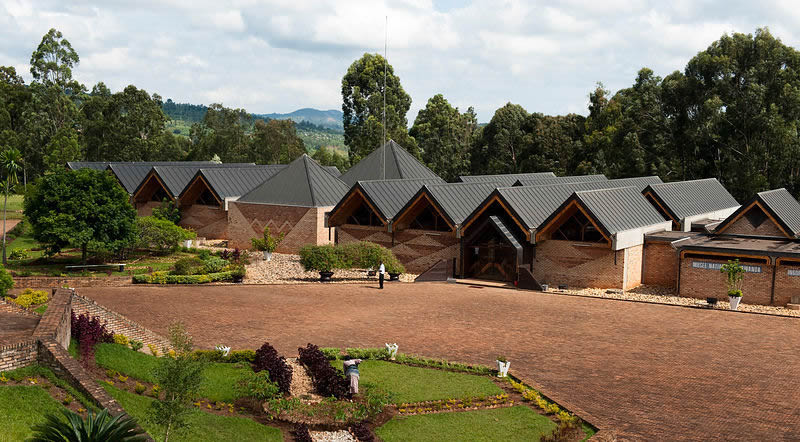
The Uganda Museum in Kampala houses extensive collections relating to the colonial era. Exhibits include photographs, tools, uniforms, and documents that chronicle European settlement, missionary activities, and local responses to colonial governance. Visitors can trace the evolution of education, healthcare, and infrastructure under British rule, gaining a balanced perspective on both achievements and disruptions introduced during the colonial period.
Historical Railways and Transportation Routes
Uganda’s colonial legacy includes the development of railways and road networks, essential for trade and administration during the British period. Sites along the historic Kampala–Jinja railway line, including restored stations and old bridges, illustrate how transportation facilitated commerce, migration, and communication. Travelers can explore these locations to understand the strategic importance of infrastructure in colonial governance and economic development.
Colonial Residences and Architectural Heritage
Colonial-era buildings in cities and towns reflect European architectural influence. In Kampala, Entebbe, and Fort Portal, travelers can admire villas, government offices, and mission buildings constructed during the early 20th century. These structures often feature distinctive designs combining European styles with local materials, offering insight into the aesthetic and functional priorities of the colonial administration.
Missionary Sites and Religious Influence
Missionaries played a pivotal role during Uganda’s colonial period, shaping education, religion, and social practices. Sites such as the Rubaga Cathedral and early mission schools in various districts illustrate the integration of European religious practices with local communities. Visitors can explore chapels, classrooms, and archives that document the transformative impact of missionary activity on Ugandan society.
Independence and Post-Colonial Reflections
Colonial attractions also provide context for Uganda’s journey to independence in 1962. Museums, monuments, and heritage trails highlight the struggles, negotiations, and key figures who contributed to the country’s liberation from British rule. Visitors can understand the interplay between colonial policies and local resistance, gaining a holistic view of Uganda’s political evolution.
Tips for Visiting Colonial Sites
Engaging with Uganda’s colonial history requires historical curiosity and respect for heritage. Guided tours are recommended, as they provide detailed narratives about key figures, events, and the societal impact of colonial policies. Travelers should take note of informational plaques, preserved artifacts, and interactive exhibits to gain a comprehensive understanding of the era.
Uganda’s colonial history attractions offer a unique perspective on the country’s past, revealing how external influence and local resilience shaped modern Uganda. From forts and administrative centers to museums and mission sites, these destinations allow travelers to explore the complexities of colonial rule while appreciating the nation’s rich heritage. For those interested in history, culture, and social evolution, Uganda’s colonial sites provide an educational, immersive, and thought-provoking experience.