Historical Sites to Visit in Uganda: Exploring the Pearl of Africa’s Past
Uganda is a country steeped in history, with landmarks that reflect its rich cultural heritage, royal traditions, colonial past, and ancient civilizations. From royal palaces and tombs to museums and archaeological sites, Uganda offers travelers a journey through time, revealing the stories that have shaped the nation. Visiting historical sites provides both educational insight and cultural enrichment, making it an essential part of any Ugandan travel itinerary.
Kasubi Tombs: The Heart of Buganda Heritage
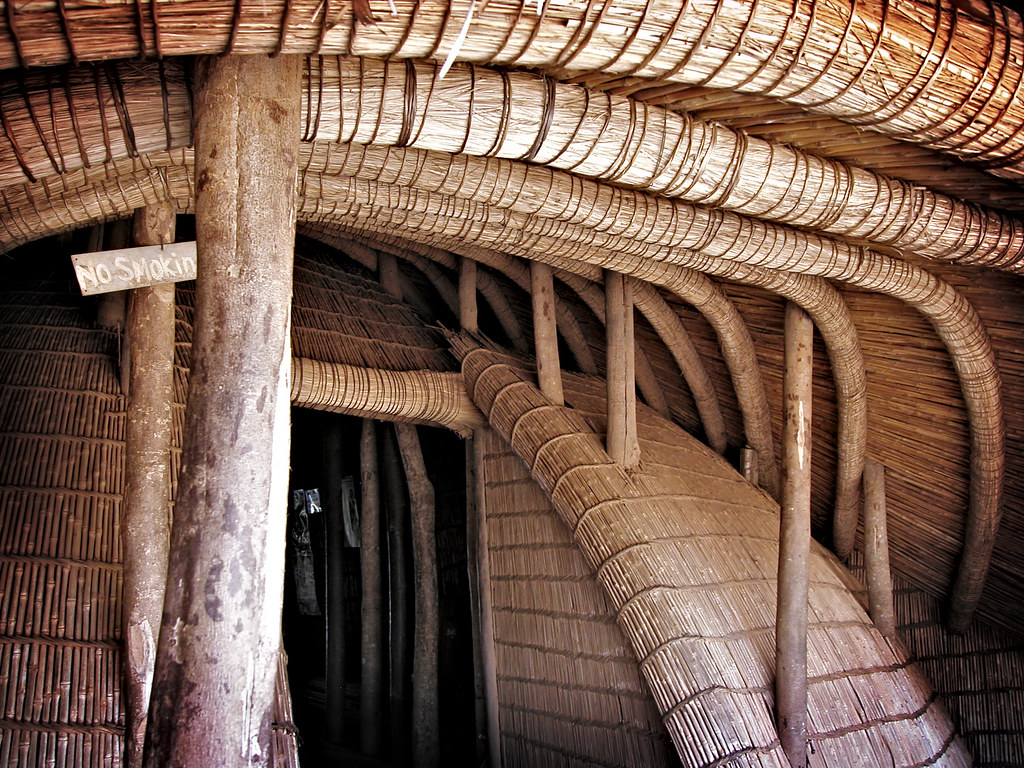
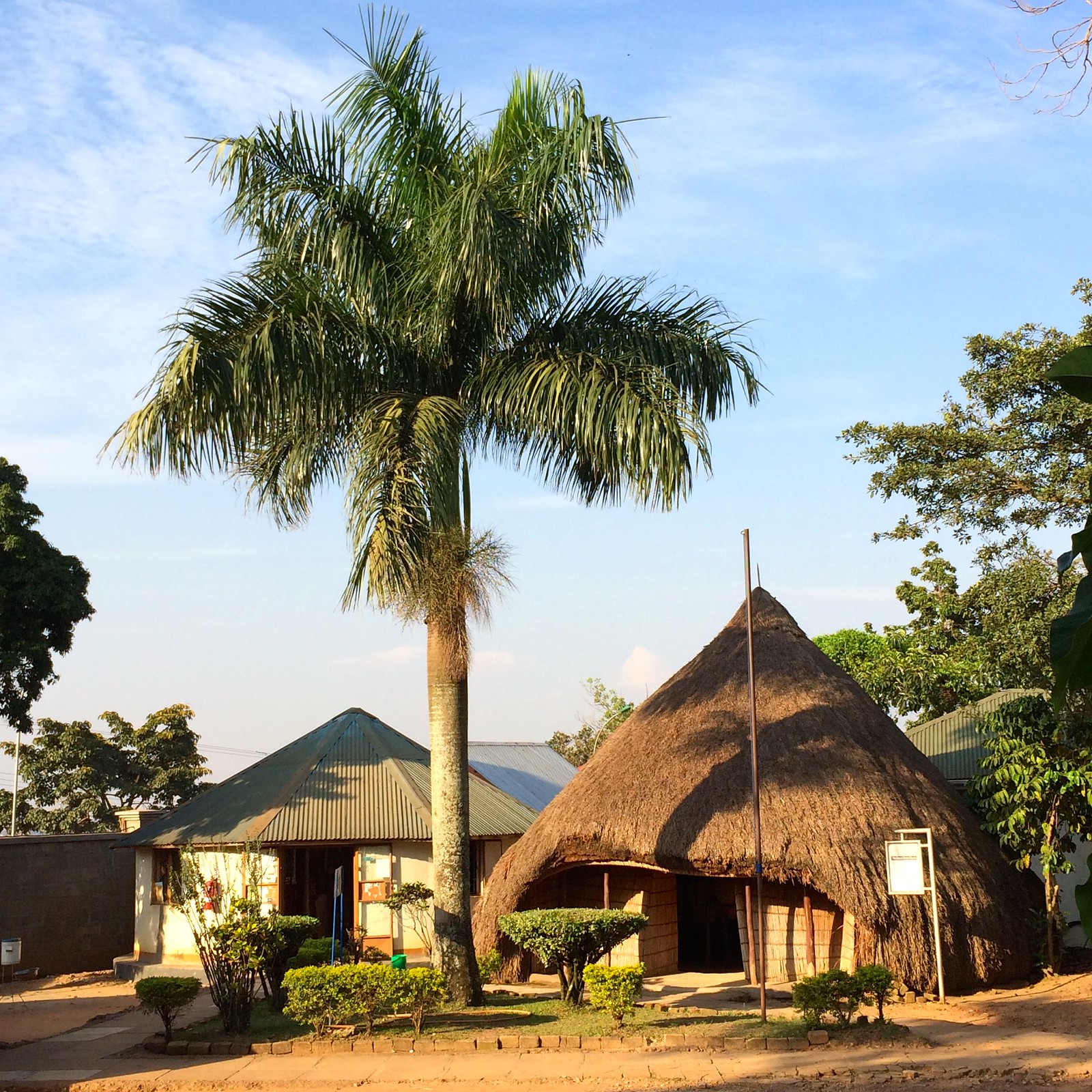
The Kasubi Tombs in Kampala are a UNESCO World Heritage site and the burial grounds of Buganda kings (Kabakas). These tombs are a symbol of Buganda’s royal history and spiritual traditions. Visitors can explore the traditional thatched structures, learn about the royal lineage, and understand the cultural practices surrounding death, succession, and ancestral reverence. Guided tours provide stories of past Kabakas, their contributions to Buganda, and the symbolism embedded in the tomb architecture.
Palace and Royal Sites
Uganda is home to several historic palaces that reflect the traditions of its kingdoms. The Lubiri Palace in Mengo, Kampala, serves as a testament to Buganda’s political and cultural history. Similarly, palaces in Bunyoro, Ankole, and Toro regions offer insights into the governance, architecture, and ceremonial life of these kingdoms. Visitors can observe royal artifacts, regalia, and historical documentation that illuminate the roles of monarchs in shaping society.
Forts and Colonial Heritage
Uganda’s colonial era left behind forts, administrative buildings, and museums that capture a pivotal period in the country’s history. Fort Lugard in Entebbe and other colonial-era structures illustrate the influence of British colonial administration and early trade routes. These sites provide context for Uganda’s journey to independence and highlight the interplay between local kingdoms and colonial powers.
Museums and Cultural Centers
Museums across Uganda preserve historical artifacts and offer educational exhibits. The Uganda Museum in Kampala houses ethnographic collections, archaeological artifacts, and traditional crafts, giving visitors a comprehensive understanding of Uganda’s cultural evolution. Regional museums, such as the Nyero Rock Art site, display prehistoric rock paintings and tools, offering a glimpse into Uganda’s earliest inhabitants and their artistic expressions..
Religious and Spiritual Sites
Uganda is home to historical religious sites that reflect centuries of spiritual practice. Namugongo Martyrs’ Shrine commemorates the 19th-century Christian martyrs, offering insight into Uganda’s religious transformation and resilience. Mosques, cathedrals, and traditional spiritual sites throughout the country highlight the diversity of faiths and their impact on society.
Archaeological and Prehistoric Sites
For travelers interested in ancient history, Uganda features archaeological sites like the Nyero Rock Paintings. These rock shelters contain paintings dating back thousands of years, depicting humans, animals, and symbolic motifs. Visiting these sites offers a fascinating perspective on the life, beliefs, and artistic expression of Uganda’s prehistoric communities.
Cultural Villages and Living History
Cultural heritage villages allow travelers to experience historical traditions firsthand. Sites in regions like Karamoja, Bwindi, and western Uganda recreate historical lifestyles, including traditional housing, crafts, and subsistence practices. Interactive experiences may include learning traditional cooking, craft-making, and participating in ceremonial dances, providing a living perspective on Uganda’s historical societies.
Tips for Visiting Historical Sites
Engaging with local guides enhances the historical experience. They provide context, narrate local legends, and explain cultural significance, ensuring travelers gain a deeper understanding of each site. Additionally, respecting local customs, photographing only when permitted, and contributing to preservation efforts are essential practices for responsible tourism.Final Thoughts
Uganda’s historical sites offer a rich tapestry of stories that span kingdoms, colonial eras, prehistoric life, and spiritual traditions. From the royal tombs of Buganda to ancient rock art, these sites provide travelers with insight into the forces that have shaped the nation. For those seeking a deeper connection with Uganda’s past, visiting these landmarks offers an educational, immersive, and memorable journey through the Pearl of Africa’s history.