Karamojong Cultural Encounters: Immersing Yourself in Uganda’s Highland Heritage
The Karamojong people, residing in the semi-arid northeastern region of Uganda, are among the country’s most fascinating and culturally vibrant communities. Known for their pastoral lifestyle, colorful attire, and centuries-old traditions, the Karamojong provide travelers with a rare opportunity to engage in authentic cultural experiences. Karamojong cultural encounters combine interactive learning, traditional ceremonies, artisanal crafts, and immersion in a way of life that has endured despite modernization pressures.
Understanding the Karamojong Community
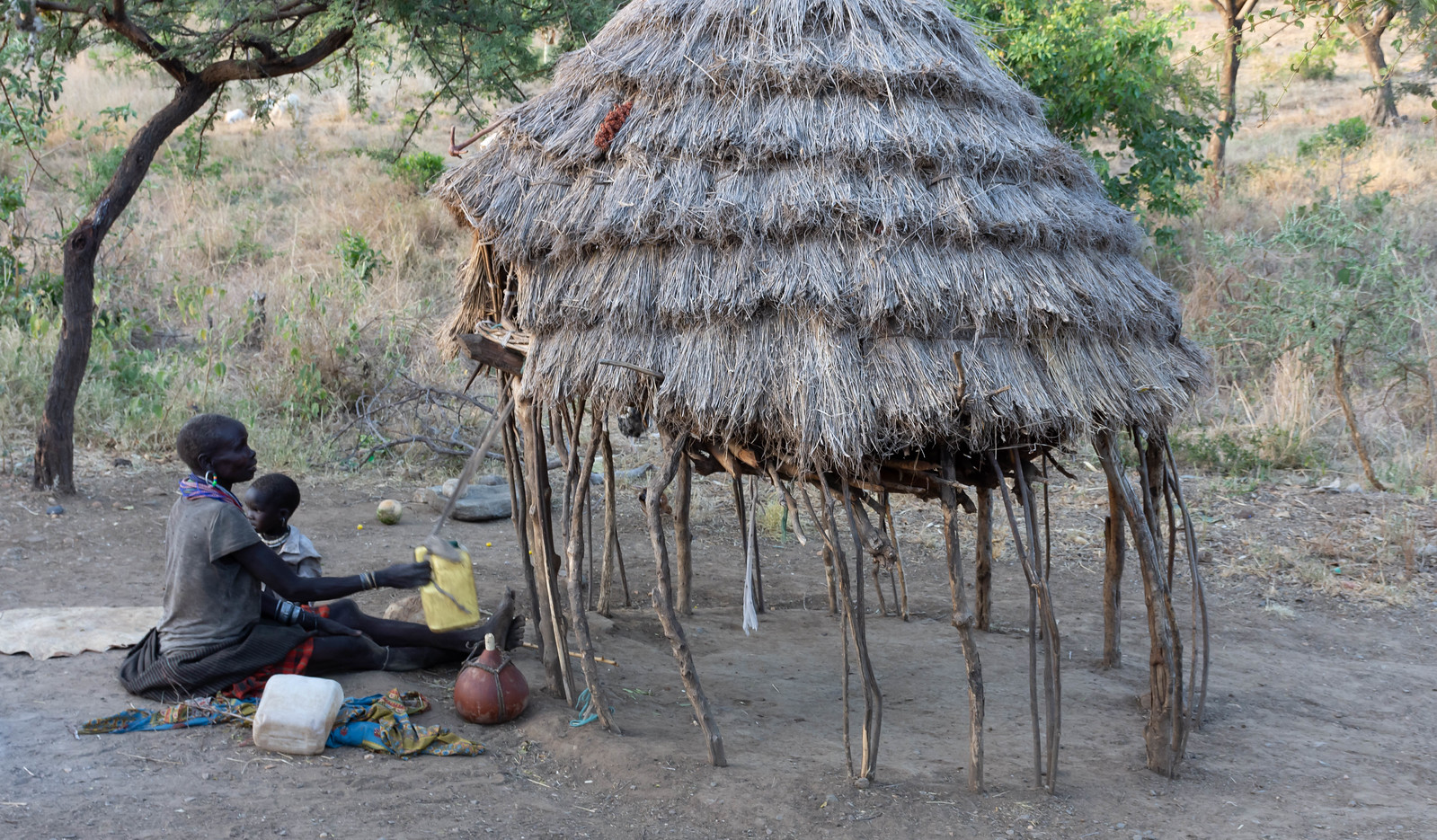
The Karamojong are semi-nomadic pastoralists, whose wealth and social status are traditionally measured by the size of their livestock herds. Cattle, goats, and sheep are central to daily life, influencing social structures, trade, marriage customs, and community rituals. Travelers visiting the Karamoja region can witness how these herding practices shape the community’s culture and sustain their livelihoods in a challenging semi-arid environment.
Beyond pastoralism, the Karamojong maintain a rich oral tradition. Elders serve as custodians of history, passing down folklore, proverbs, and ancestral knowledge that reflect the community’s relationship with the land, livestock, and neighboring groups. This oral heritage is a key element of cultural encounters, offering deep insights into the community’s worldview and resilience.
Traditional Ceremonies and Rituals
Cultural ceremonies are central to Karamojong life, reflecting social cohesion, rites of passage, and spiritual beliefs. Visitors may witness initiation rites, community celebrations, and dances that mark important events such as harvests, weddings, or cattle trading. Dancers often adorn themselves with colorful beads, feathered ornaments, and body decorations, performing rhythmic movements accompanied by drumming, chanting, and songs that narrate historical and spiritual stories.
Guided cultural tours provide context to these ceremonies, explaining the symbolism behind each ritual and the significance of social structures within the Karamojong community. Observing these ceremonies allows visitors to appreciate the complexity and continuity of Karamojong cultural practices.
Music, Dance, and Storytelling
Music and dance are inseparable from Karamojong identity. Drumming, chanting, and singing are woven into every significant occasion, from communal gatherings to religious or social events. Travelers are often invited to participate, creating immersive experiences that blend observation with interaction.
Storytelling sessions with elders offer rich cultural context. Legends recount historical migrations, heroic deeds, and the community’s spiritual beliefs, helping visitors understand the Karamojong’s relationship with nature, livestock, and neighboring communities. These oral histories preserve knowledge that cannot be found in written records, making cultural encounters deeply educational.
Artisan Skills and Crafts
The Karamojong are renowned for their beadwork, jewelry, and decorative crafts. Women often create intricately beaded necklaces, bracelets, and ceremonial adornments, while men may craft functional tools or ceremonial items from locally sourced materials. Visitors can observe the crafting process, interact with artisans, and purchase handmade items, directly supporting the community while preserving traditional skills.
Daily Life and Pastoral Activities
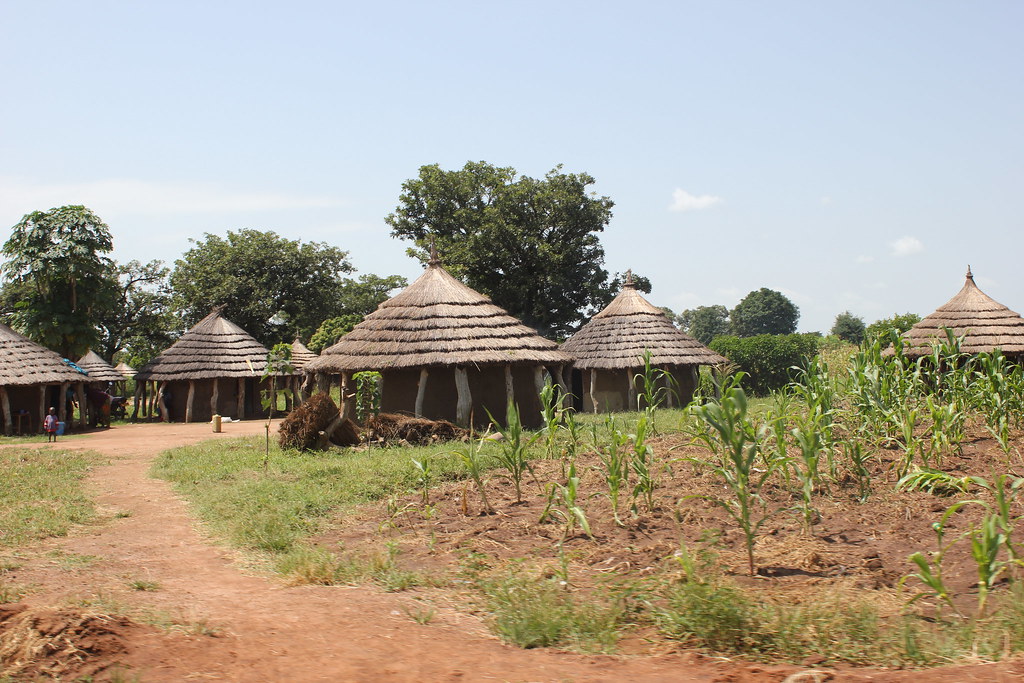
Engaging with daily life is a central part of the Karamojong cultural experience. Travelers can join herding excursions, witness livestock management practices, and participate in household or agricultural activities. These interactions provide hands-on understanding of the community’s semi-nomadic lifestyle, highlighting the balance between tradition and adaptation to modern challenges.
Food and culinary culture are also part of the immersion. Visitors may taste locally prepared meals featuring traditional staples such as millet porridge, milk-based dishes, and roasted meats, gaining insight into dietary habits shaped by pastoral life and the environment.
Sustainable Tourism and Community Benefits
Tourism with the Karamojong emphasizes respect, sustainability, and positive impact. Visitors are encouraged to observe ethical practices such as seeking permission before photography, respecting ceremonies, and supporting community-led initiatives. Revenue generated from cultural encounters often contributes to education, healthcare, and infrastructure projects, empowering the Karamojong to preserve their heritage while improving living standards.
Best Time to Visit Karamoja
The dry seasons from December to February and June to September are ideal for cultural encounters. These months provide better access to villages, easier travel across semi-arid landscapes, and comfortable weather for outdoor activities. Visiting during cultural festivals or seasonal ceremonies enhances the experience, offering opportunities to witness traditional events in full vibrancy.
Karamojong cultural encounters offer travelers an immersive journey into one of Uganda’s most distinctive communities. From vibrant ceremonies, music, and dance to artisan crafts, pastoral activities, and storytelling, every interaction deepens understanding of a resilient and culturally rich people. For those seeking meaningful cultural tourism, engaging with the Karamojong provides an unforgettable experience that celebrates tradition, community, and the enduring connection between people and land.