Mountains of the Moon Trekking Experience
Uganda’s Legendary Peaks
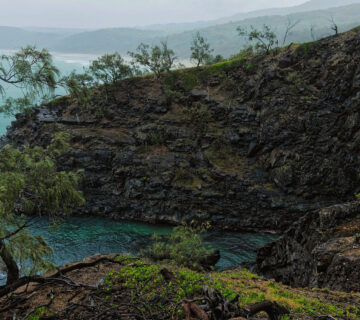
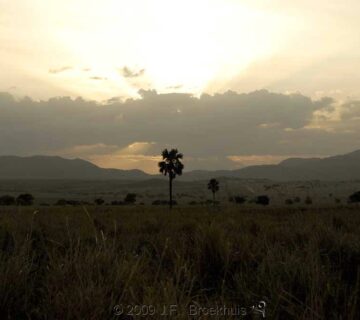
The Mountains of the Moon, commonly known as the Rwenzori Mountains, are a breathtaking range in western Uganda along the border with the Democratic Republic of Congo. Famous for their snow-capped peaks, misty valleys, and glacial landscapes, these mountains are steeped in legend and natural beauty. Trekking in this region offers adventurers the opportunity to experience rugged mountain terrain, diverse ecosystems, endemic wildlife, and dramatic scenery, earning the Rwenzori Mountains a reputation as one of Africa’s premier trekking destinations.
Trekking Routes and Peaks
The Mountains of the Moon feature several iconic peaks, including Mount Stanley (5,109 meters), Mount Speke, Mount Baker, and Mount Emin. Mount Stanley is home to Margherita Peak, the third-highest peak in Africa. Trekking routes vary in difficulty and duration, from challenging multi-day summit expeditions to shorter day hikes suitable for moderate fitness levels.
The most popular trekking route is the Central Circuit, which traverses diverse ecosystems including tropical montane forests, bamboo zones, heathlands, moorlands, and Afro-alpine landscapes. Hikers encounter glacial streams, high-altitude lakes, giant lobelias, and groundsels, making each day of trekking a new visual and ecological experience.
Trekking Experience
Trekking the Mountains of the Moon is physically demanding due to steep trails, high altitudes, and rapidly changing weather, which can range from heavy rainfall to icy conditions near the peaks. Guides and porters accompany trekkers for navigation, safety, and support, carrying camping gear, food, and essential equipment.
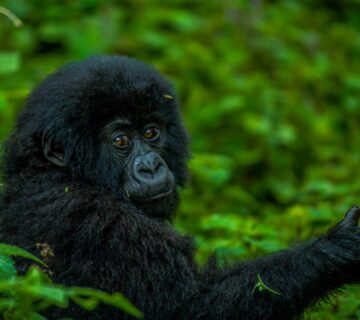
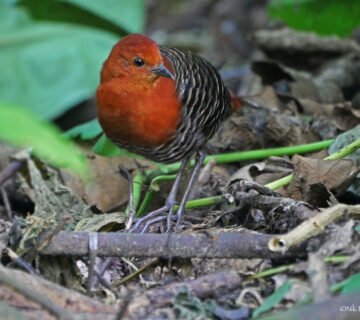
Wildlife sightings include forest monkeys, duikers, bushbucks, and endemic Albertine Rift bird species, such as the Rwenzori turaco and red-faced apalis. The combination of rare flora and fauna, panoramic vistas, and high-altitude challenges provides a rich experience for nature lovers, birdwatchers, and photographers.
Daily Highlights
Day-to-day trekking typically includes long hikes through lush montane forests, crossing streams, ascending steep slopes, and camping at scenic huts or base camps. Each day offers opportunities to observe unique plant species and endemic birds, photograph dramatic landscapes, and experience the solitude of one of Africa’s most remote mountain ranges. Summit day offers spectacular views of glaciers, valleys, and distant peaks, rewarding trekkers’ efforts with unforgettable scenery.
Seasonal Considerations
The best time for trekking the Mountains of the Moon is during the dry seasons: December to February and June to September. Trails are firmer, and visibility is higher for panoramic vistas. Wet seasons (March to May and October to November) bring heavy rains and slippery conditions but enhance the lushness of the forests and flowering of high-altitude plants, which can also attract nectar-feeding birds and other wildlife. Early morning departures are ideal for wildlife sightings and clear weather conditions.
Accommodation
Accommodation during trekking ranges from mountain huts along the trails with basic amenities to pre- and post-trek lodges at the park entrances, offering comfort, hot showers, and meals. Huts typically provide communal sleeping, dining areas, and close proximity to trails. Porters assist in carrying equipment and food, ensuring a manageable load for trekkers.
Why the Mountains of the Moon Trekking Experience Is Unique
Trekking the Mountains of the Moon provides a rare combination of adventure, biodiversity, and scenic splendor. Hikers traverse varied ecosystems, witness endemic plants and birds, and conquer high-altitude peaks and glacial valleys. Unlike more crowded trekking destinations, the Rwenzori Mountains offer a remote, immersive experience, blending physical challenge with profound natural beauty. This trek is ideal for adventurers, photographers, and wildlife enthusiasts seeking a unique and rewarding African mountain experience.
Tips for a Successful Trek
-
Ensure good physical fitness for multi-day, high-altitude trekking.
-
Wear layered clothing, waterproof gear, and sturdy hiking boots.
-
Acclimate to altitude gradually to prevent sickness.
-
Use experienced guides and porters familiar with the terrain and weather.
-
Carry a camera, binoculars, and field guides for wildlife and plant observation.
-
Start early each day to maximize daylight and wildlife activity.