Rwenzori Mountains Hiking Adventures: A Comprehensive Guide
Exploring the Mountains of the Moon
The Rwenzori Mountains, known as the “Mountains of the Moon,” are a spectacular mountain range straddling western Uganda and the eastern border of the Democratic Republic of Congo. Renowned for their snow-capped peaks, glacial valleys, high-altitude lakes, and unique Afro-alpine ecosystems, the Rwenzori Mountains are one of Africa’s most breathtaking and challenging trekking destinations. Hiking here is not only a physical adventure but also a journey through diverse ecosystems, endemic wildlife, and rare plant species, offering an immersive experience for avid trekkers, nature lovers, and photographers alike.
Iconic Peaks and Trekking Routes
The Rwenzori Mountains boast several notable peaks, with Mount Stanley being the highest at 5,109 meters (16,762 feet), making it the third-highest peak in Africa. Other key peaks include Mount Speke, Mount Baker, and Mount Emin, each offering unique trekking challenges and scenic views. The most popular trekking route is the Central Circuit, which leads hikers to Mount Stanley’s Margherita Peak. This trek typically spans 6 to 8 days, covering diverse ecosystems such as montane forests, bamboo zones, heathlands, moorlands, and Afro-alpine zones, each hosting distinct flora and fauna.
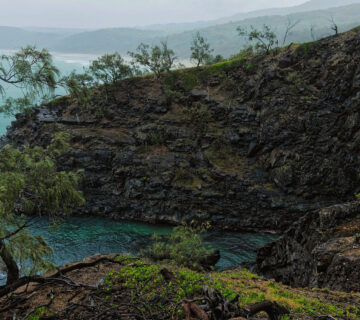
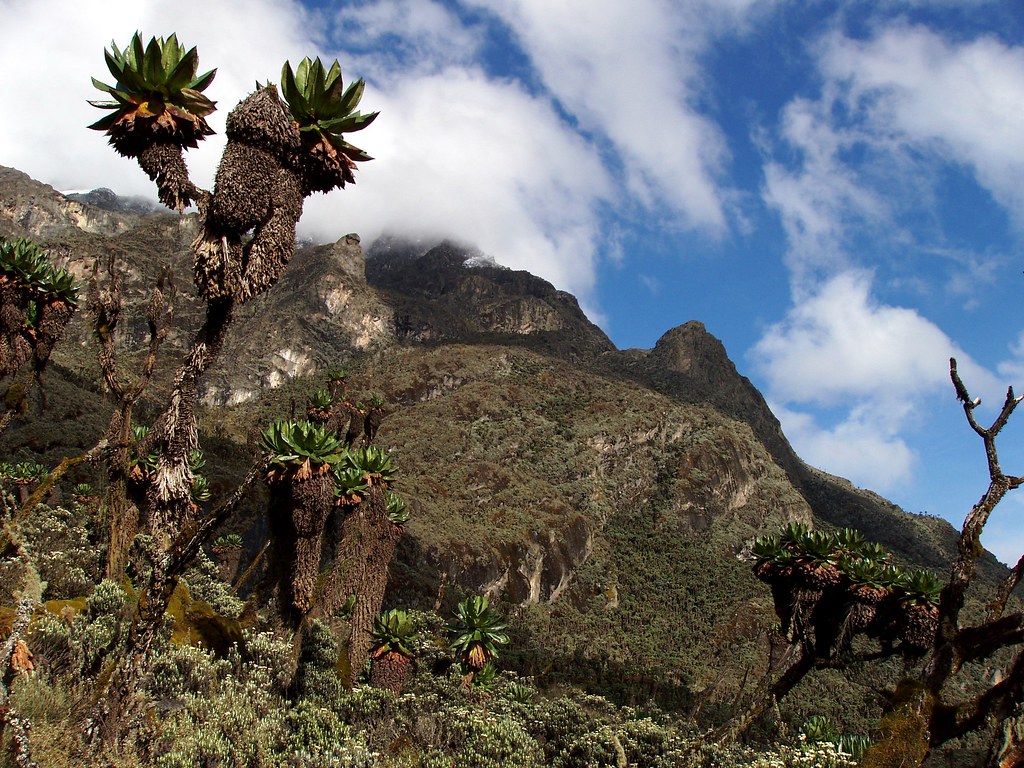
The trails are often narrow and steep, winding through moss-draped forests, giant heathers, giant lobelias, and glacial valleys. Trekkers are rewarded with panoramic vistas, glacial streams, and high-altitude lakes. The combination of physical challenge and stunning scenery makes Rwenzori hiking a memorable and rewarding experience.
The Hiking Experience
Hiking in the Rwenzori Mountains is physically demanding due to steep inclines, high altitudes, and rapidly changing weather conditions, including heavy rainfall and cold temperatures near the peaks. Trekkers are guided by experienced local guides and supported by porters, who carry camping gear, food, and personal equipment. Daily treks often range from 5 to 10 hours, with opportunities to explore side trails for birdwatching or photography.
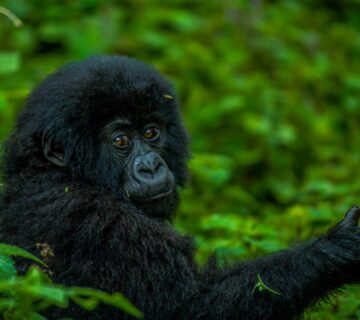
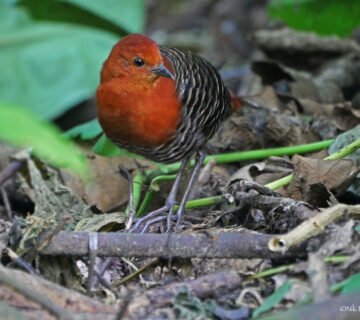
The mountains are home to endemic and rare wildlife, including monkeys, duikers, bushbucks, and numerous Albertine Rift bird species such as the Rwenzori turaco and red-faced apalis. Hikers can also encounter unique plant species, including the iconic giant lobelia and groundsel, which create surreal landscapes at higher altitudes.
Seasonal Considerations
The best time for trekking is during the dry seasons, from December to February and June to September, when trails are firm and weather conditions are more stable. The wet seasons, from March to May and October to November, bring heavy rainfall, slippery trails, and the risk of fog, which can reduce visibility but enhance the lushness of the landscape. Trekkers are advised to start early in the day to maximize daylight and take advantage of morning wildlife activity and clear vistas.
Accommodation Options
Accommodation during Rwenzori treks typically includes basic mountain huts along the trail, which offer communal sleeping areas, dining spaces, and minimal amenities. At the park entrances, lodges provide more comfort, hot showers, and rest before or after the trek. Porters are crucial for carrying camping equipment and food for multi-day hikes. Some lodges also offer pre-arranged trekking packages including guides, porters, meals, and park permits.
Key Highlights and Attractions
Hiking in the Rwenzori Mountains offers numerous unique experiences. The glacial valleys and high-altitude lakes provide stunning photo opportunities. Observing the giant lobelia and groundsel fields, combined with rare bird species, offers a glimpse into Uganda’s unique alpine ecosystems. Trekkers also experience the thrill of climbing steep ridges and crossing mountain streams, all while surrounded by the dramatic peaks and mist-covered landscapes that give the Rwenzori its otherworldly reputation.
Safety and Preparation
Trekking in the Rwenzori Mountains requires proper preparation. Physical fitness is essential due to challenging terrain and high altitude. Trekkers should wear layered clothing, waterproof jackets, and sturdy hiking boots. Guides provide navigation, safety, and altitude acclimatization tips, and trekkers should carry water, snacks, and essential personal gear. Being accompanied by experienced guides and porters ensures safety and increases the likelihood of a successful and enjoyable trek.
Why Rwenzori Hiking Is Special
Rwenzori hiking offers a rare combination of adventure, biodiversity, and scenic beauty. Trekkers traverse dense tropical forests, bamboo zones, moorlands, and glacial peaks, all within a compact area. The presence of endemic plants, rare birds, and unique high-altitude ecosystems makes every step an educational and immersive experience. Unlike more crowded trekking destinations, the Rwenzori Mountains provide a sense of remoteness and exclusivity, making it a truly unforgettable adventure in Uganda.