Walking Safaris in Lake Mburo National Park: A Comprehensive Guide
The Intimate Bush Experience
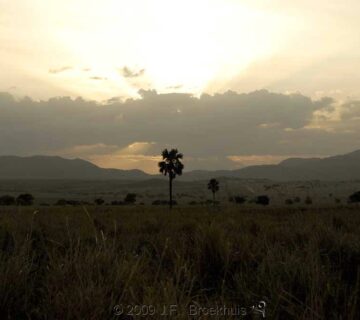
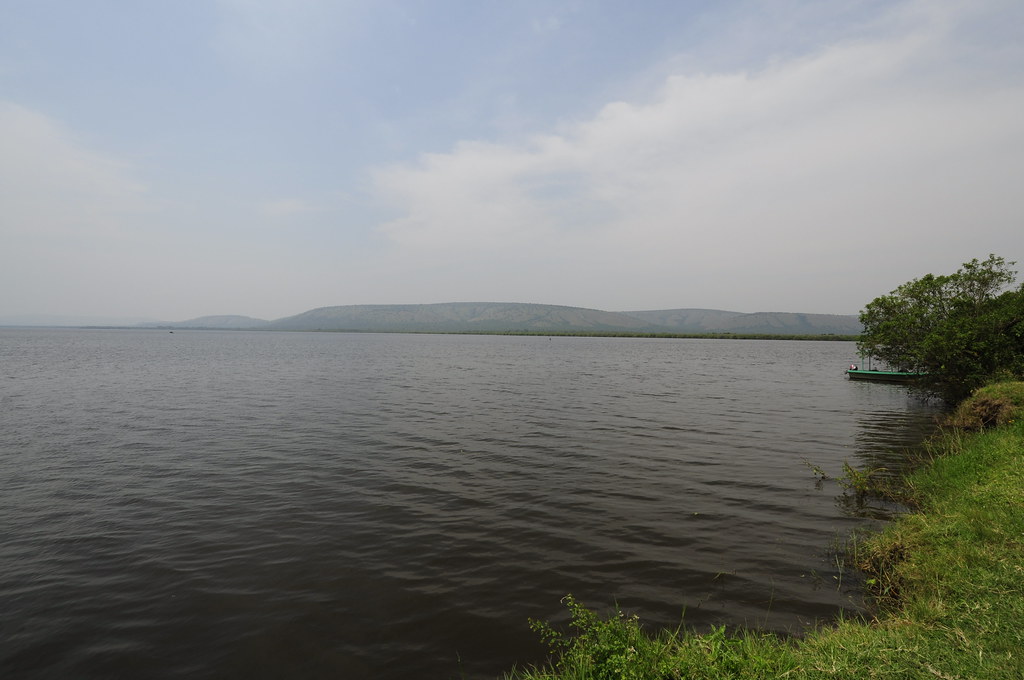
Lake Mburo National Park, situated in western Uganda, is a compact yet ecologically diverse savannah park spanning approximately 260 square kilometers. Unlike Uganda’s larger parks where wildlife viewing is typically conducted from vehicles, Lake Mburo is uniquely suited for walking safaris, offering visitors an up-close and immersive experience of the African bush. Walking safaris allow tourists to observe wildlife behaviors, smaller mammals, plant life, and ecological interactions in ways that are impossible from a vehicle, making the park a prime destination for wildlife enthusiasts, photographers, and nature lovers.
The Walking Safari Experience
Walking safaris in Lake Mburo are guided by highly trained, armed rangers who ensure safety while providing expert knowledge about the park’s wildlife and ecosystems. Each walking group is typically small, usually 6 to 8 participants, to minimize disturbance to animals and enhance the quality of the experience.
During a walking safari, visitors can expect to:
-
Track Wildlife: Learn to interpret animal footprints, droppings, feeding signs, and territorial markings, giving insights into the habits of species such as impalas, topis, zebras, and bushbucks.
-
Observe Small Mammals and Reptiles: Walking allows visitors to encounter species that are rarely seen on game drives, including hares, monitor lizards, small antelopes, and occasionally nocturnal species if on dusk walks.
-
Explore Flora and Ecology: Rangers explain the ecological roles of plants, trees, and insects, including medicinal plants, termite mounds, and pollination interactions, enhancing understanding of the park’s biodiversity.
-
Engage in Photography: Walking safaris offer unmatched photographic opportunities, from capturing close-up shots of grazing impalas to dynamic images of zebras in motion or panoramic landscapes during sunrise and sunset.
Wildlife Encounters on Foot
Walking safaris provide a different perspective on wildlife compared to vehicle safaris. Key species commonly observed include:
-
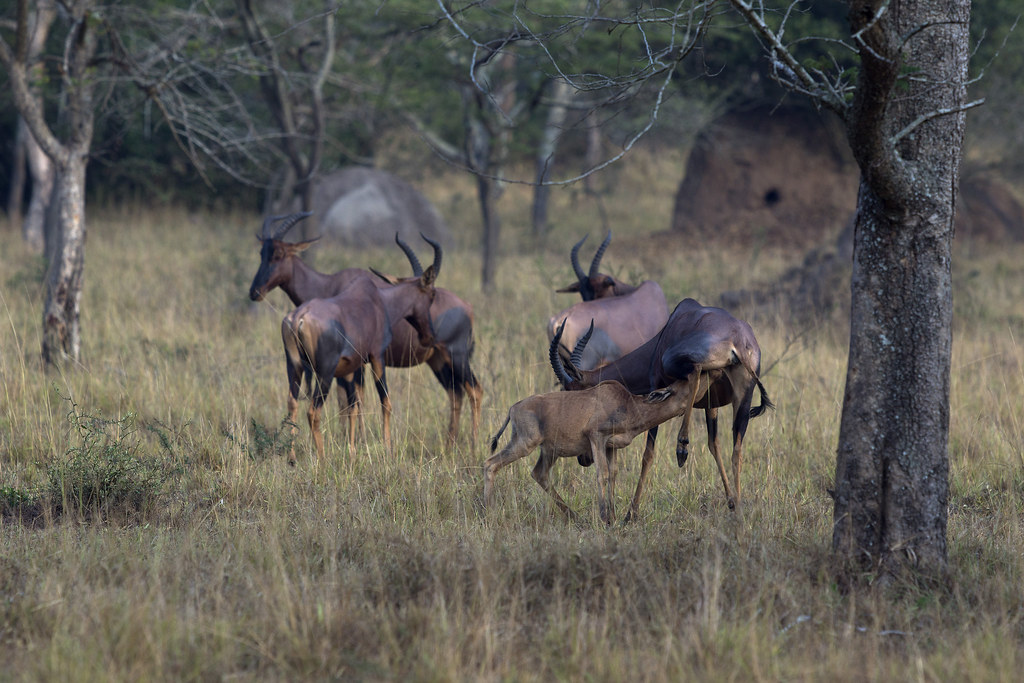
Impalas and Topi: These graceful antelopes often graze in open areas, creating photogenic scenes.
-
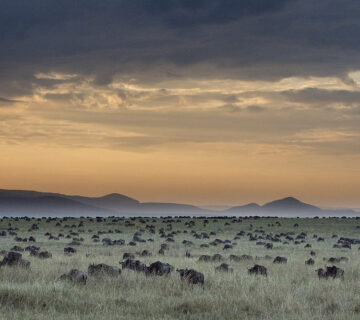
Zebras and Eland: Herds of zebras and common elands can be approached quietly on foot, revealing natural behavior for photography.
-
Buffalo and Bushbuck: While some species may maintain distance, careful tracking by rangers allows close observation of social behaviors and grazing patterns.
-
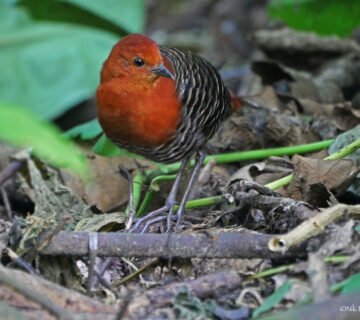
Birdlife: Over 300 bird species inhabit the park, and walking safaris allow visitors to observe nests, feeding behaviors, and subtle avian interactions up close.
Safety Protocols
Safety is a top priority during walking safaris:
-
Armed Rangers: Each safari is led by a ranger trained in wildlife behavior and emergency procedures.
-
Group Size Control: Small groups reduce disturbance to wildlife and enhance ranger supervision.
-
Distance Respect: Visitors maintain a safe distance from larger or potentially dangerous animals, following ranger instructions carefully.
-
Movement Guidelines: Quiet walking, slow movements, and awareness of surroundings are emphasized to avoid startling wildlife.
Seasonal Considerations
The timing of the safari affects wildlife visibility and walking conditions:
-
Dry Season (December–February, June–September): Trails are dry and easily navigable, and animals concentrate around water sources, increasing sighting opportunities.
-
Wet Season (March–May, October–November): The landscape is lush and green, ideal for birdwatching and photography, though some trails may be muddy and require careful navigation.
-
Optimal Hours: Early mornings and late afternoons offer cooler temperatures, heightened wildlife activity, and the best natural lighting for photography.
Complementary Safari Activities
Walking safaris can be combined with other activities in Lake Mburo to maximize the safari experience:
-
Game Drives: Explore areas that may be too distant or inaccessible on foot.
-
Horseback Safaris: Approach wildlife quietly and enjoy unique vantage points across the savannah.
-
Boat Safaris and Canoeing: Experience hippos, crocodiles, and waterbirds in the park’s lakes and wetlands.
-
Birdwatching Tours: Specialists guide visitors to spot both resident and migratory species in scenic habitats.
-
Cultural Encounters: Local communities provide insight into pastoral traditions and their integration with conservation efforts.
Accommodation for Walking Safari Visitors
Nearby lodges and camps enhance walking safari experiences by offering convenient early departures and immersive bush accommodations:
-
Luxury Lodges: Panoramic views of the savannah, private decks, and guided safari packages for a high-comfort experience.
-
Mid-Range Lodges: Accessible and comfortable lodging with proximity to trails for easy morning and afternoon walks.
-
Eco-Camps: Minimalist accommodations designed to immerse guests in the natural environment while minimizing environmental impact.
Why Walking Safaris in Lake Mburo Are Unique
Walking safaris in Lake Mburo National Park provide a multi-sensory, immersive experience. Unlike vehicle safaris, walking allows visitors to hear birds, notice subtle animal behaviors, track smaller mammals, and engage closely with the ecosystem. The combination of safety, expert guides, diverse wildlife, and accessible trails makes Lake Mburo one of Uganda’s most memorable and intimate safari destinations, ideal for families, photographers, and adventure travelers seeking a deep connection with nature.