Lake Mburo National Park Safari Activities
Uganda’s Scenic Small Savannah Park
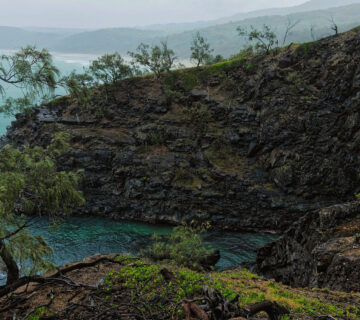
Lake Mburo National Park, located in western Uganda, is a compact but ecologically diverse park covering approximately 260 square kilometers. Despite its smaller size, the park offers a rich variety of wildlife, birdlife, and scenic landscapes, including lakes, wetlands, rolling hills, and acacia savannahs. It is particularly well-suited for visitors seeking intimate wildlife experiences, walking safaris, and horseback adventures, making it one of Uganda’s most accessible and versatile safari destinations.
Wildlife Viewing
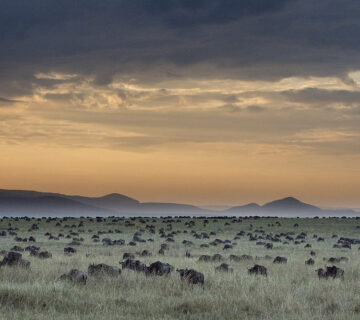
Lake Mburo is home to a diverse array of wildlife species, including:
-
Impala: The park is famous for its large herds of impala, which are highly photogenic and often active during game drives.
-
Buffalo and Eland: Cape buffalo and common eland roam the savannah and open woodland areas.
-
Zebra and Topi: These plains species add visual contrast during drives and are ideal for photography.
-
Predators: Leopards and hyenas inhabit the park, although they are more elusive, providing thrilling sightings for attentive visitors.
-
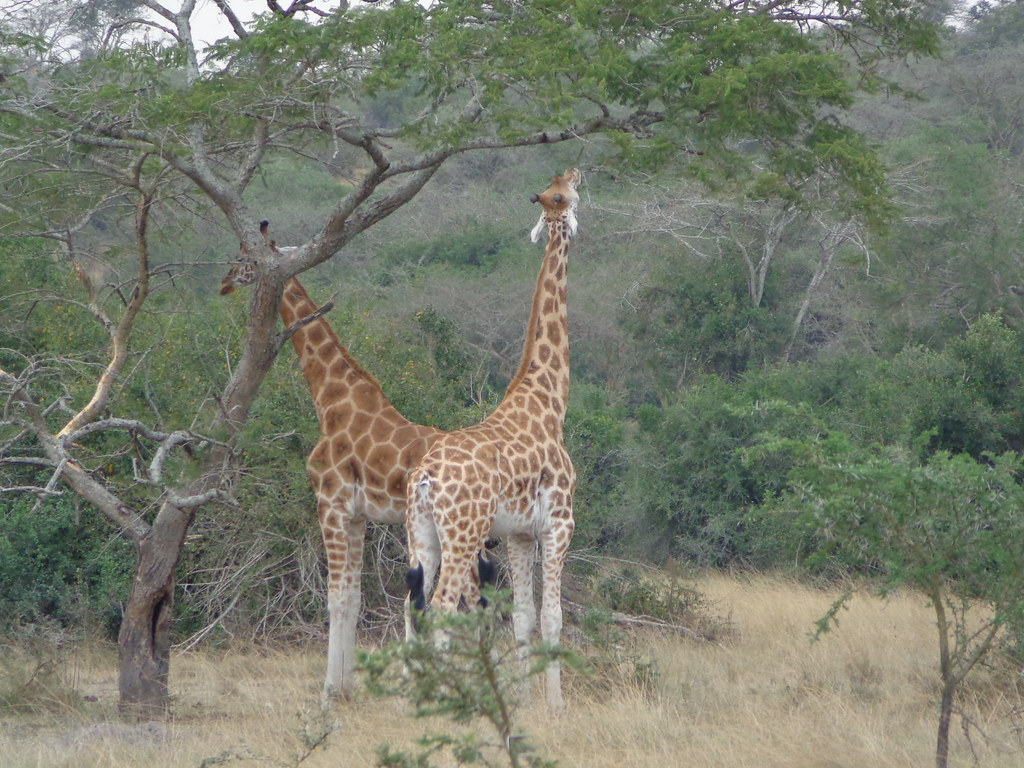
Other Mammals: Bushbuck, waterbucks, warthogs, and small antelopes are abundant, creating dynamic wildlife interactions for observation.
Because Lake Mburo is smaller than Uganda’s other savannah parks, wildlife is easier to locate, and sightings can be more predictable, especially for families or first-time safari-goers.
Game Drives
Guided 4×4 game drives are the main safari activity in Lake Mburo, offering the chance to explore both savannah plains and woodland areas. Drives are conducted in the early morning or late afternoon, when animals are most active. Knowledgeable guides provide insight into animal behavior, predator-prey interactions, and conservation practices, making the drives both educational and adventurous.
Walking Safaris
Lake Mburo is unique in Uganda for its walking safari opportunities, which allow visitors to explore the bush on foot. Armed rangers lead guests along safe trails, providing a close-up view of smaller wildlife, plant species, and animal tracks. Walking safaris give travelers a sensory-rich experience, heightening awareness of the ecosystem’s sounds, smells, and textures. This is particularly rewarding for photographers and those seeking immersive wildlife encounters.
Horseback Safaris
Lake Mburo offers one of Uganda’s few horseback safari experiences, allowing riders to approach wildlife quietly and at eye level, creating intimate encounters with impalas, zebras, and buffalo. Guided horseback rides traverse the park’s savannahs and hills, offering stunning panoramic views and unique photographic perspectives. This activity is suitable for both beginners and experienced riders.
Boat Safaris and Canoeing
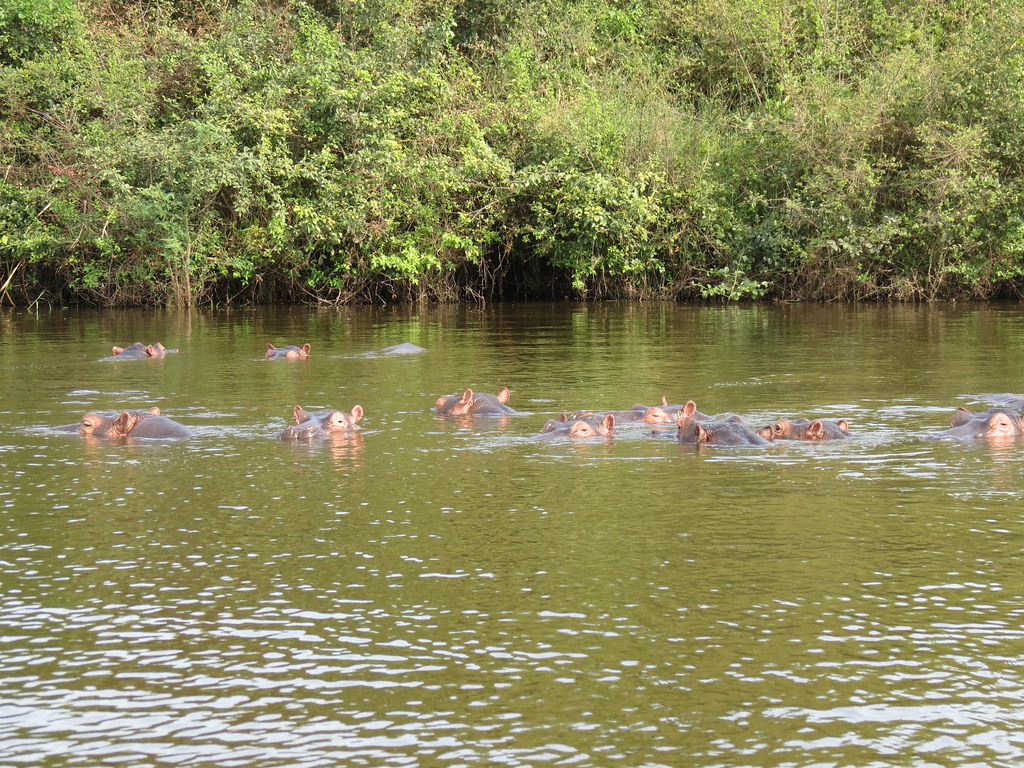
Several lakes and wetlands within Lake Mburo, including the park’s eponymous lake, support boat and canoe safaris. These excursions allow visitors to spot hippos, monitor waterbirds, and observe crocodiles in their natural habitats. The reflective waters provide excellent opportunities for photography, especially at sunrise and sunset.
Birdwatching
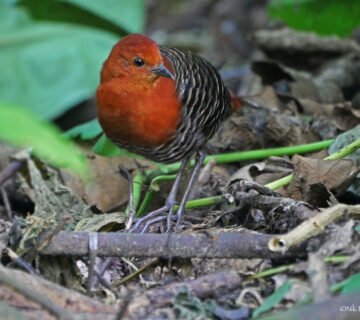
Lake Mburo is a birdwatcher’s paradise, hosting over 300 bird species, including African fish eagles, herons, storks, weavers, and migratory species. Birding is particularly rewarding during wet seasons when migratory birds arrive. Guided tours provide expert identification and tips for photographing elusive species in diverse habitats.
Cultural Encounters
Local communities surrounding Lake Mburo offer cultural tours, providing insights into traditional pastoral lifestyles, crafts, and conservation initiatives. Visitors can learn how communities coexist with wildlife and contribute to park conservation, enhancing the safari experience with educational and cultural dimensions.
Accommodation Options
Accommodations around Lake Mburo range from luxury lodges with panoramic views to mid-range lodges and eco-friendly tented camps. Many lodges are strategically located near high wildlife density areas, allowing early morning departures for game drives, walking safaris, and horseback safaris. Some lodges also offer guided night drives to observe nocturnal species.
Best Time to Visit
-
Dry Season (December–February, June–September): Wildlife concentrates around water sources, making sightings easier, and roads are more navigable for safaris.
-
Wet Season (March–May, October–November): The park is lush and green, ideal for birdwatching and photography, though some roads may be muddy.
Conservation and Responsible Tourism
Lake Mburo National Park operates under strict conservation regulations, with efforts to protect endangered species, maintain habitats, and engage local communities. Visitor activities are regulated to minimize environmental impact, and park fees support conservation projects and community initiatives.
Why Lake Mburo Safari Activities Are Special
Lake Mburo National Park offers a versatile safari experience in a compact setting. Its combination of game drives, walking safaris, horseback riding, boat safaris, and rich birdlife provides diverse wildlife encounters suitable for families, photographers, and adventure travelers. The park’s accessibility, varied terrain, and intimate wildlife interactions make it a must-visit destination for Uganda safaris.