Tree-Climbing Lions of Ishasha Sector, Queen Elizabeth National Park
Uganda’s Unique Predator Phenomenon
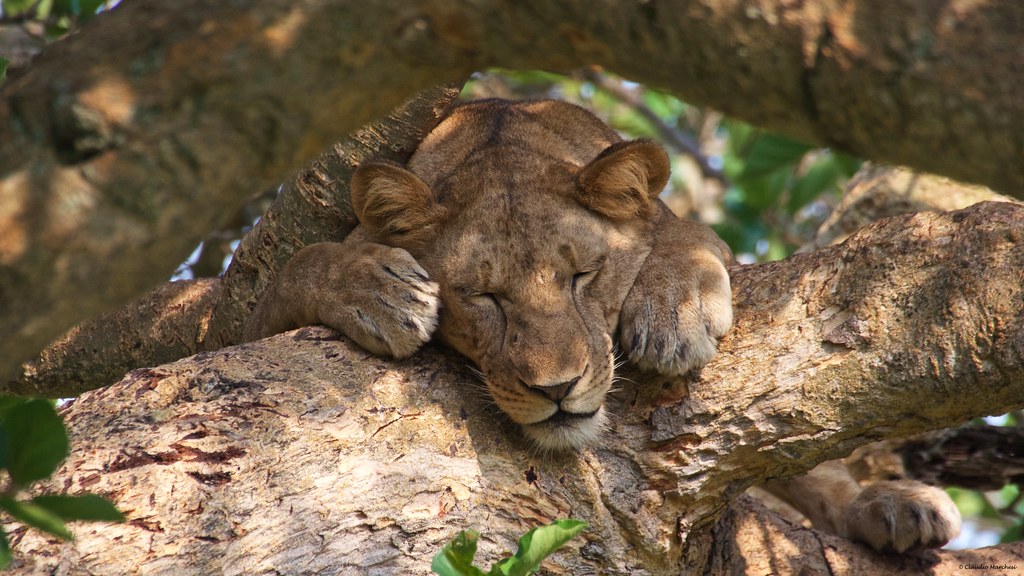
The Ishasha sector of Queen Elizabeth National Park (QENP) in southwestern Uganda is world-famous for one of the rarest predator behaviors on the planet: tree-climbing lions. Unlike typical lions that remain on the ground, these lions often rest, lounge, and patrol from the branches of large fig and acacia trees. Observing this unusual behavior in the wild is a highlight of any Ugandan safari, offering a unique combination of wildlife spectacle, photography opportunities, and unforgettable adventure.
Location and Landscape of the Ishasha Sector
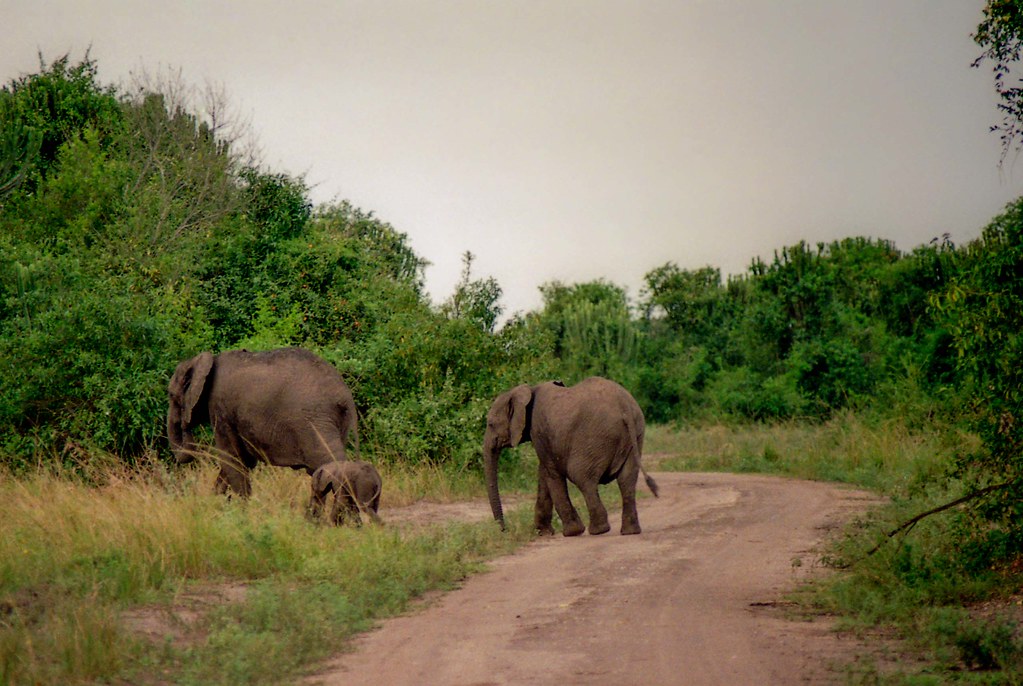
The Ishasha sector is located in the southern part of QENP, bordering the Democratic Republic of Congo. Characterized by open savannah plains interspersed with dense woodland and riverine forests, Ishasha provides an ideal habitat for tree-climbing lions. The lush vegetation along the Ishasha River and the surrounding woodlands creates natural shade and vantage points that the lions utilize to escape the midday heat and monitor their territory. This sector is also home to a variety of other wildlife, including elephants, buffalo, leopards, Uganda kob, and numerous bird species.
Why Lions Climb Trees
Tree-climbing lions are a rare behavioral adaptation, mostly attributed to environmental and ecological factors. Theories suggest that lions climb trees to:
-
Escape biting insects such as tsetse flies that are abundant on the ground.
-
Seek relief from heat, using the tree canopy for cooler temperatures and breeze.
-
Observe prey or territory from a higher vantage point.
The behavior is predominantly observed in Ishasha, although a few other African regions, such as Lake Manyara in Tanzania, also report occasional tree-climbing lions. Ishasha remains the most reliable location for witnessing this phenomenon.
How to Spot Tree-Climbing Lions
Spotting lions in Ishasha requires early morning or late afternoon game drives, as these are the times when lions are most active and likely to be seen climbing or resting in trees. Experienced safari guides use knowledge of lion habits, territory markers, and vantage points to maximize sightings. While not every lion in Ishasha climbs trees, visitors are very likely to encounter several lions in and around fig and acacia trees, making for spectacular wildlife viewing and photography.
Photography Opportunities
Tree-climbing lions offer unique photographic experiences. The juxtaposition of a massive predator perched on delicate branches creates dramatic and iconic images. Sunrise and sunset provide ideal lighting, casting warm tones across the savannah and highlighting the lions’ golden coats. Telephoto lenses are recommended to capture detailed close-ups without disturbing the animals, while wide-angle lenses allow photographers to include the surrounding landscape for context.
Complementary Wildlife Experiences in Ishasha
While tree-climbing lions are the main attraction, the Ishasha sector also supports diverse wildlife encounters. Visitors can expect to see:
-
Herds of elephants roaming the savannah and riverbanks.
-
Uganda kob, graceful antelopes unique to the region.
-
Buffalo, hyenas, and leopards, occasionally spotted during game drives.
-
A variety of birds, including raptors and savannah species, making it a paradise for birdwatchers.
Safari Tips for Visiting Ishasha
-
Timing: Early morning or late afternoon game drives maximize sightings.
-
Vehicle: 4×4 safari vehicles are recommended for navigating rough terrain and reaching prime viewing areas.
-
Guides: Experienced guides increase the likelihood of spotting lions and explaining their behavior.
-
Equipment: Bring binoculars, a camera with a zoom lens, sunscreen, insect repellent, and a hat.
-
Patience: Lions may rest in trees for long periods; enjoy the surrounding scenery and other wildlife while waiting.
Accommodation Near Ishasha
Accommodation options near Ishasha range from luxury safari lodges overlooking the savannah to mid-range and budget-friendly lodges close to the sector entrance. Many lodges offer early morning transfers to Ishasha for game drives, ensuring guests can witness lions during peak activity periods. Some lodges even provide private game drives, enhancing the exclusivity of the experience.
Conservation and Responsible Tourism
Queen Elizabeth National Park actively protects its lion population and other wildlife through strict anti-poaching measures, regulated visitor access, and habitat conservation. Visitors are encouraged to maintain safe distances, follow ranger instructions, and respect animal behavior. Safari fees and lodge contributions support both wildlife conservation and local communities, making responsible tourism a key part of the Ishasha experience.
Why Tree-Climbing Lions Are a Must-See
The tree-climbing lions of Ishasha are a unique wildlife phenomenon, offering an unparalleled safari experience in Uganda. Observing these majestic predators in their natural habitat, combined with the scenic savannah, riverine forests, and abundant wildlife, makes Ishasha a highlight of any Uganda itinerary. For photographers, wildlife enthusiasts, and adventure travelers, witnessing a lion lounging atop a tree branch is a moment that cannot be replicated anywhere else in the world.