Queen Elizabeth National Park Safari Experiences
Uganda’s Premier Wildlife Destination
Queen Elizabeth National Park (QENP) is one of Uganda’s most visited and ecologically diverse protected areas. Located in southwestern Uganda along the equator, the park spans approximately 1,978 square kilometers, encompassing savannah plains, wetlands, crater lakes, and forested hills. QENP is renowned for its big game safaris, birdwatching, boat cruises, and scenic landscapes, making it a versatile destination for wildlife enthusiasts, photographers, and adventure travelers.
Big Game Safaris
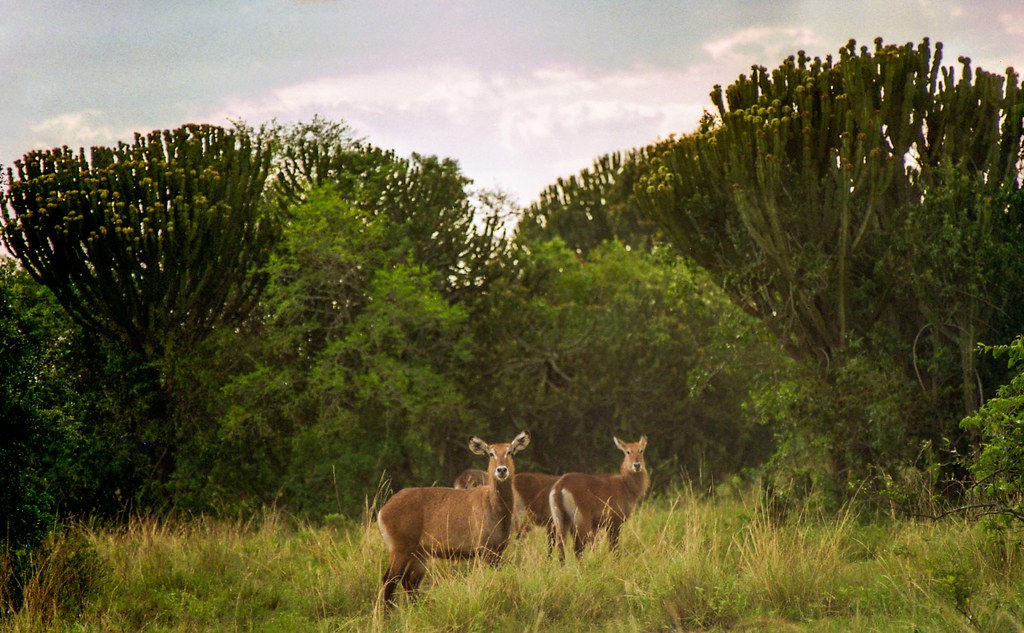
Big game safaris are the highlight of Queen Elizabeth National Park. The park supports a wide range of wildlife, including elephants, lions, leopards, buffalo, hippos, crocodiles, hyenas, and Uganda kob, among others. Safari-goers typically explore the park in 4×4 game drive vehicles accompanied by experienced guides who provide insights into animal behavior, conservation challenges, and the park’s diverse ecosystems. Morning and evening game drives offer optimal wildlife viewing opportunities, as animals are most active during these periods.
Boat Safaris on the Kazinga Channel
The Kazinga Channel is a 32-kilometer natural waterway that links Lake Edward and Lake George, making it one of the park’s most popular attractions. Boat safaris provide close encounters with hippos, Nile crocodiles, waterbirds, and occasional elephants and buffalo along the banks. The tranquil cruises also offer superb opportunities for photography, especially during sunrise and sunset when lighting conditions are ideal. Guides share detailed information about aquatic wildlife, migratory bird patterns, and the park’s wetland ecology.
Lion and Leopard Tracking
Queen Elizabeth National Park is known for its tree-climbing lions, a rare and fascinating behavior observed in the Ishasha sector. Visitors can track these lions along forested areas and savannah plains, often witnessing them resting on branches or patrolling their territory. Leopards, while elusive, are occasionally sighted during game drives or nocturnal safari experiences. Guided tracking ensures safe and responsible observation while maximizing the chances of sightings.
Birdwatching Opportunities
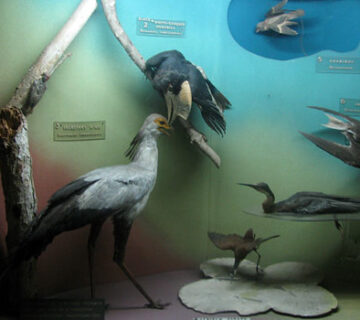
With over 600 bird species recorded, QENP is a paradise for bird enthusiasts. The park’s diverse habitats—including wetlands, forested hills, savannah, and crater lakes—support both resident and migratory birds. Notable species include the shoebill stork, African fish eagle, papyrus gonolek, and the Great Blue Turaco. Birdwatching tours are guided by knowledgeable ornithologists or safari guides, and specialized early morning excursions increase the likelihood of spotting rare or shy species.
Nature Walks and Guided Trails
In addition to game drives and boat safaris, guided nature walks provide an intimate experience of QENP’s ecosystems. Walks often explore papyrus swamps, forested hills, and crater lake areas, offering opportunities to observe small mammals, reptiles, amphibians, and unique plant species. These walks are ideal for travelers seeking a slower-paced, educational safari experience.

Hot Air Balloon Safaris
For a bird’s-eye view of the savannah and wildlife, hot air balloon safaris are available in select sectors of QENP. These experiences combine adventure, panoramic scenery, and unique photographic opportunities. Balloon safaris typically include pre-flight briefings, champagne toasts, and guided flights over areas rich in wildlife and scenic landscapes.
Accommodation in and Around Queen Elizabeth National Park
QENP offers a wide range of accommodations catering to all budgets. Luxury lodges provide forest- or savannah-view suites, private decks, and personalized services, often located near key wildlife viewing areas. Mid-range lodges offer comfortable amenities and convenient access to game drives, while budget lodges provide simple accommodations close to park entry points. Choosing accommodation near preferred safari sectors reduces early-morning transfer times and enhances the overall experience.
Best Time to Visit Queen Elizabeth National Park
QENP can be visited year-round, but dry seasons (December to February and June to September) provide better wildlife viewing conditions, as animals congregate around water sources and trails are more accessible. Wet seasons, while slightly more challenging for road access, enhance the park’s lush scenery and birdwatching opportunities, and wildlife sightings remain consistent.
Conservation and Responsible Tourism
Queen Elizabeth National Park operates under a strong conservation framework. Safari activities are regulated to ensure minimal disturbance to wildlife and ecosystems. Revenue from park fees supports wildlife protection, anti-poaching initiatives, and community development projects. Visitors are encouraged to follow park guidelines, maintain safe distances from animals, and respect habitats during all activities.
Why Queen Elizabeth National Park Should Be on Your Uganda Safari
Queen Elizabeth National Park offers a comprehensive African safari experience, combining big game drives, boat cruises, birdwatching, unique wildlife behaviors, and scenic landscapes. Its accessibility, diversity of habitats, and range of activities make it suitable for first-time visitors, seasoned wildlife enthusiasts, photographers, and families. Whether visiting as a stand-alone destination or as part of a multi-park itinerary, QENP provides unforgettable wildlife encounters and a deep connection to Uganda’s natural heritage.