Chimpanzee Trekking in Kibale Forest National Park
Immersing Yourself in Uganda’s Primate Capital
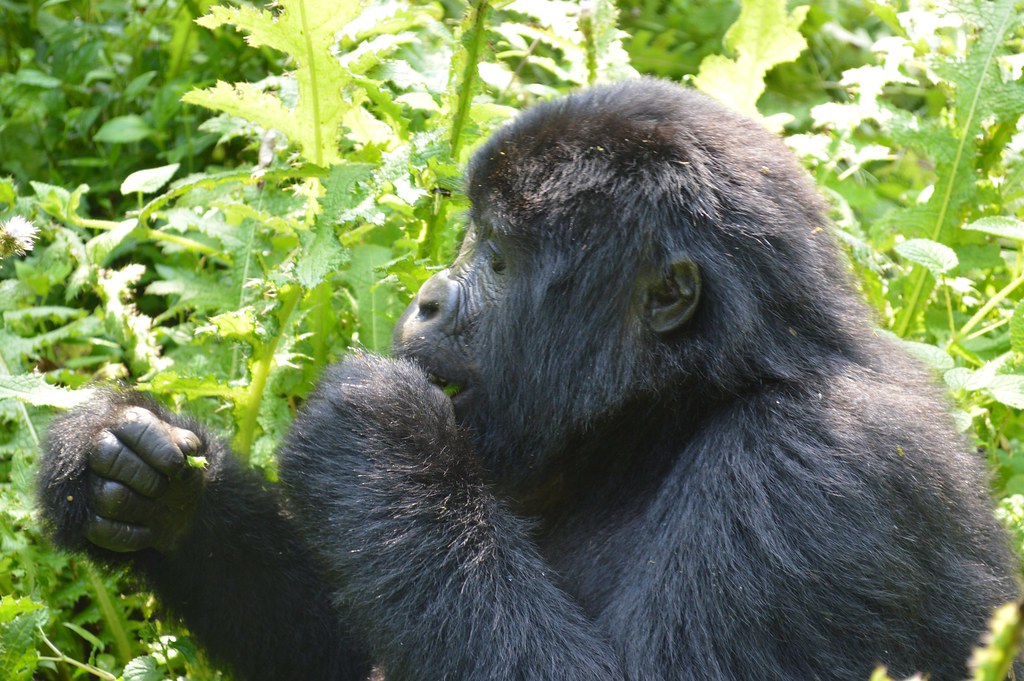
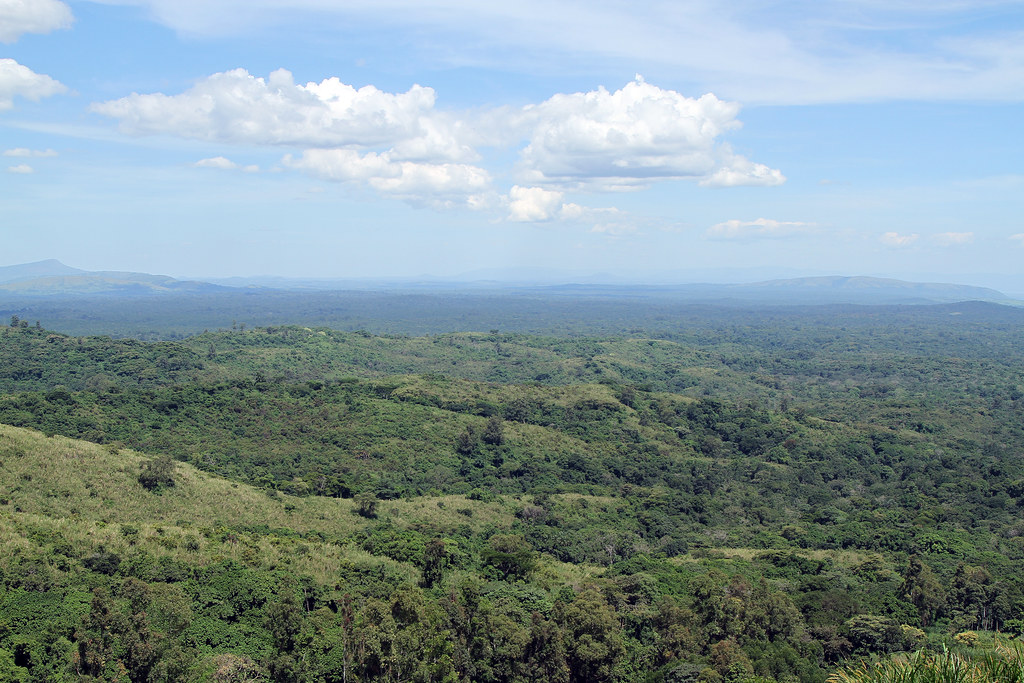
Kibale Forest National Park, located in southwestern Uganda, is globally recognized as the primate capital of Africa due to its exceptionally high density of primate species. The park covers approximately 795 square kilometers of lush tropical rainforest, rolling hills, swampy areas, and streams. Chimpanzee trekking is the highlight of a visit to Kibale, allowing travelers to observe our closest relatives in their natural habitat. Beyond chimpanzees, the park boasts over 13 primate species, hundreds of bird species, and an array of reptiles, butterflies, and amphibians, making it a hotspot for biodiversity enthusiasts, wildlife photographers, and conservation-minded travelers.
Why Kibale Forest Is Unique
What sets Kibale apart from other forests in Uganda is the sheer concentration and variety of primates. Chimpanzees in Kibale are habituated, which means they are accustomed to human presence, allowing for safe, close encounters while minimizing stress to the animals. Visitors also have the opportunity to see species such as red colobus monkeys, L’Hoest’s monkeys, black-and-white colobus, and grey-cheeked mangabeys. The park’s diverse habitats—from swampy lowlands to dense forested hills—create unique trekking conditions that are both adventurous and rewarding.
Planning Your Chimpanzee Trek
Chimpanzee trekking in Kibale begins with an early morning briefing led by expert rangers. During this session, trekkers are divided into small groups and assigned a chimpanzee community to track. Treks generally last between 2 to 6 hours, depending on the chimpanzees’ location, forest density, and terrain. The hike can range from easy trails along the river to more challenging walks through thick undergrowth and gentle hills.
Trekking rules are strictly enforced to ensure the safety of both visitors and chimpanzees. These include maintaining a safe distance, avoiding direct eye contact, and following ranger instructions at all times. The reward for the effort is an hour-long observation session with the chimpanzees, during which travelers can witness feeding, grooming, playing, and social interactions within the troop. These moments provide unparalleled insight into chimpanzee behavior and their complex social structures.
Best Time to Visit Kibale for Chimpanzee Trekking
Chimpanzee trekking in Kibale is available year-round, but the experience can vary depending on the season. Dry months (December to February and June to September) are ideal for trekking, as trails are less muddy, forest paths are easier to navigate, and visibility is higher. Wet months (March to May and October to November) offer lush, vibrant scenery, excellent opportunities for photography, and fewer tourists, though trekkers must be prepared for slippery trails and potential stream crossings. Regardless of the season, chimpanzee sightings in Kibale are highly reliable due to effective habituation and ranger guidance.
Physical Requirements and Preparation
Chimpanzee trekking requires a moderate level of fitness. Trekkers should be prepared for walking on uneven terrain, climbing slopes, and traversing muddy patches. Recommended preparations include wearing sturdy hiking boots, lightweight long-sleeved clothing to protect against insects and scratches, and bringing rain gear, gloves, and trekking poles for added support. Hiring a porter is optional but recommended, especially for carrying backpacks and assisting with difficult sections of the trail. Porters also contribute to local livelihoods, making this a sustainable and community-focused practice.
Wildlife and Birdwatching Along the Trek
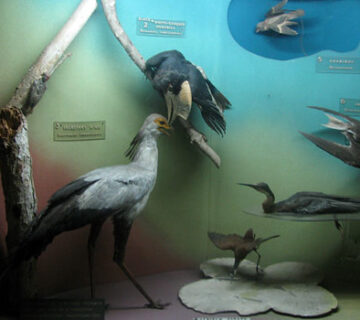
Kibale Forest is a haven for wildlife beyond chimpanzees. During treks, visitors may spot bushbucks, giant forest hogs, duikers, and a variety of small mammals. The park is also renowned for its birdlife, with over 350 recorded species, including the rare Great Blue Turaco, African Green Broadbill, and Black-and-white-casqued Hornbill. Trekkers often combine chimpanzee trekking with guided birdwatching walks, creating an enriched wildlife experience.
Cultural and Community Experiences
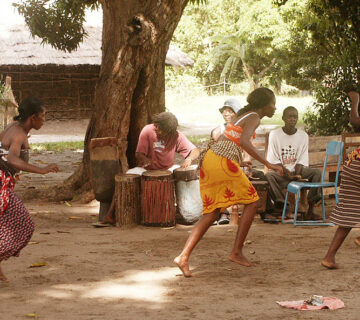
Nearby communities offer cultural insights that complement the wildlife experience. Visitors can engage with local tribes to learn about traditional forest-based practices, medicinal plant use, and conservation efforts. Cultural walks or visits to local villages provide a meaningful understanding of how humans and wildlife coexist in this region and highlight community-based initiatives that benefit from ecotourism revenue.
Accommodation Options Near Kibale Forest
Accommodation ranges from luxury lodges to mid-range and budget-friendly options close to park entrances. Luxury lodges often feature forest-view suites, private verandas, and high-end amenities, providing a serene retreat after a day of trekking. Mid-range lodges offer comfortable rooms with convenient access to trekking points, while budget lodges focus on practicality and local hospitality. Staying near the park ensures early morning access for treks and reduces travel time, maximizing the overall experience.
Conservation and Responsible Tourism
Chimpanzee trekking in Kibale is heavily regulated to protect the forest ecosystem and its inhabitants. Visitor groups are limited in size, and strict health protocols are enforced to minimize disease transmission. Trekking fees contribute directly to chimpanzee conservation, park management, and community development projects. Practicing responsible tourism helps maintain the delicate balance between humans and wildlife while ensuring sustainable benefits for local communities.
Combining Kibale with Other Ugandan Safaris
Kibale is often paired with other wildlife destinations in Uganda to create a comprehensive safari itinerary. Popular combinations include gorilla trekking in Bwindi or Mgahinga, big game safaris in Queen Elizabeth National Park, and relaxing lake experiences at Lake Bunyonyi. Such itineraries allow travelers to experience a full spectrum of Uganda’s biodiversity, from primates and big game to birds and aquatic wildlife.
Why Chimpanzee Trekking in Kibale Is a Must-Do Experience
Kibale Forest National Park offers an intimate, educational, and memorable wildlife experience. Its high density of primates, stunning rainforest environment, and well-managed trekking programs make it one of the most rewarding destinations in Uganda. Whether for first-time visitors, seasoned wildlife enthusiasts, or photographers, chimpanzee trekking in Kibale provides a unique opportunity to witness the intelligence, behavior, and social life of our closest relatives in a pristine natural setting.