What to Wear for Gorilla Trekking in Rwanda
Knowing what to wear for gorilla trekking in Rwanda can make the difference between a challenging but enjoyable experience and an uncomfortable one. Gorilla trekking takes place in dense, mountainous rainforest where weather changes quickly, vegetation is thick, and terrain can be steep and muddy. Clothing choices directly affect comfort, safety, and overall trekking confidence.
Many first-time trekkers underestimate the physical and environmental demands of the trek. Proper clothing protects against rain, insects, scratches, and cold while allowing freedom of movement. Dressing correctly helps you focus on the experience rather than discomfort, ensuring you enjoy every moment in the forest.
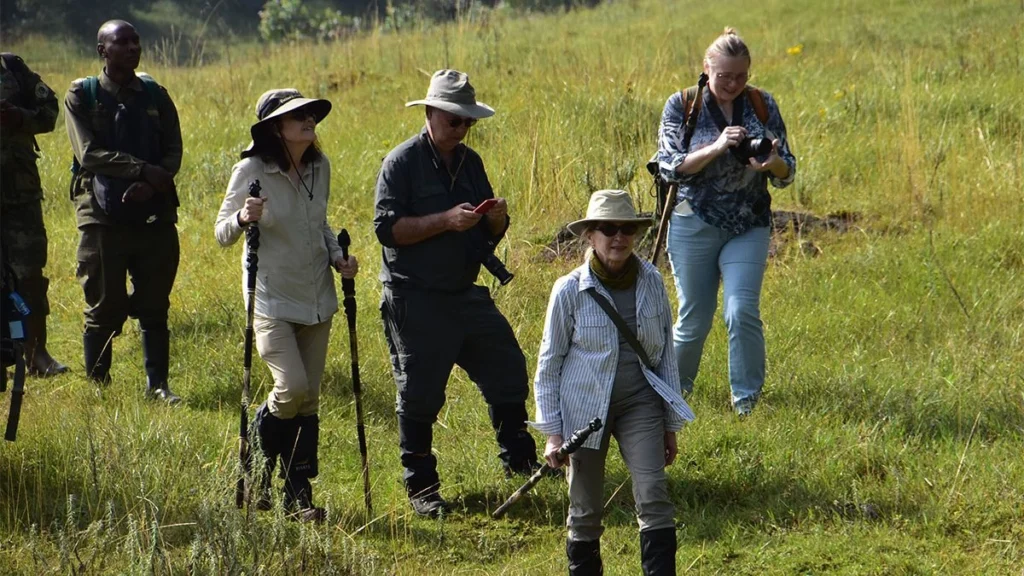
Understanding the Trekking Environment
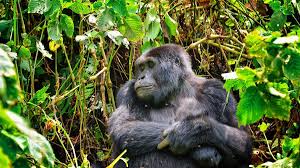
Gorilla trekking in Rwanda occurs in Volcanoes National Park, an area characterized by high altitude, dense forest, and frequent mist. Temperatures can feel cool in the morning and warm during the trek, with rain possible at any time. Vegetation often includes thorny plants, nettles, and bamboo.
This environment requires clothing that balances protection with breathability. Trekkers move through narrow paths, climb slopes, and occasionally push through thick undergrowth. Clothing must handle moisture, friction, and temperature changes without restricting movement.
Importance of Layered Clothing
Layering is essential for gorilla trekking in Rwanda. Early mornings in the park can feel cold, especially at higher elevations. As trekking progresses, body temperature rises due to physical exertion, making lighter layers more comfortable.
A layered approach allows trekkers to adjust easily as conditions change. Removing or adding layers prevents overheating or chilling. This flexibility keeps energy levels steady and improves overall comfort throughout the trek.
Shirts and Upper Body Protection
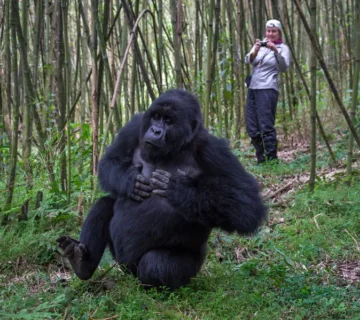
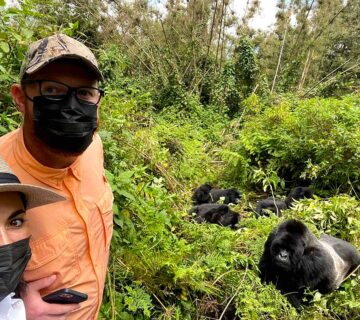
Long-sleeved shirts are strongly recommended for gorilla trekking. They protect arms from scratches, insect bites, and stinging nettles commonly found along forest trails. Lightweight, breathable fabrics work best, as they allow airflow while providing coverage.
Neutral or earth-tone colors such as green, brown, or gray are ideal. These colors blend into the environment and avoid drawing unnecessary attention from wildlife. Bright colors may attract insects or stand out visually in the forest.
Trousers and Lower Body Clothing
Long trousers are essential for gorilla trekking. They protect legs from thorns, nettles, and insects while moving through dense vegetation. Durable yet flexible materials provide comfort during steep climbs and extended walking.
Trousers should fit comfortably without restricting movement. Avoid heavy denim or tight clothing, as these become uncomfortable when wet or muddy. Lightweight trekking trousers that dry quickly are the most practical option.
Footwear for Gorilla Trekking
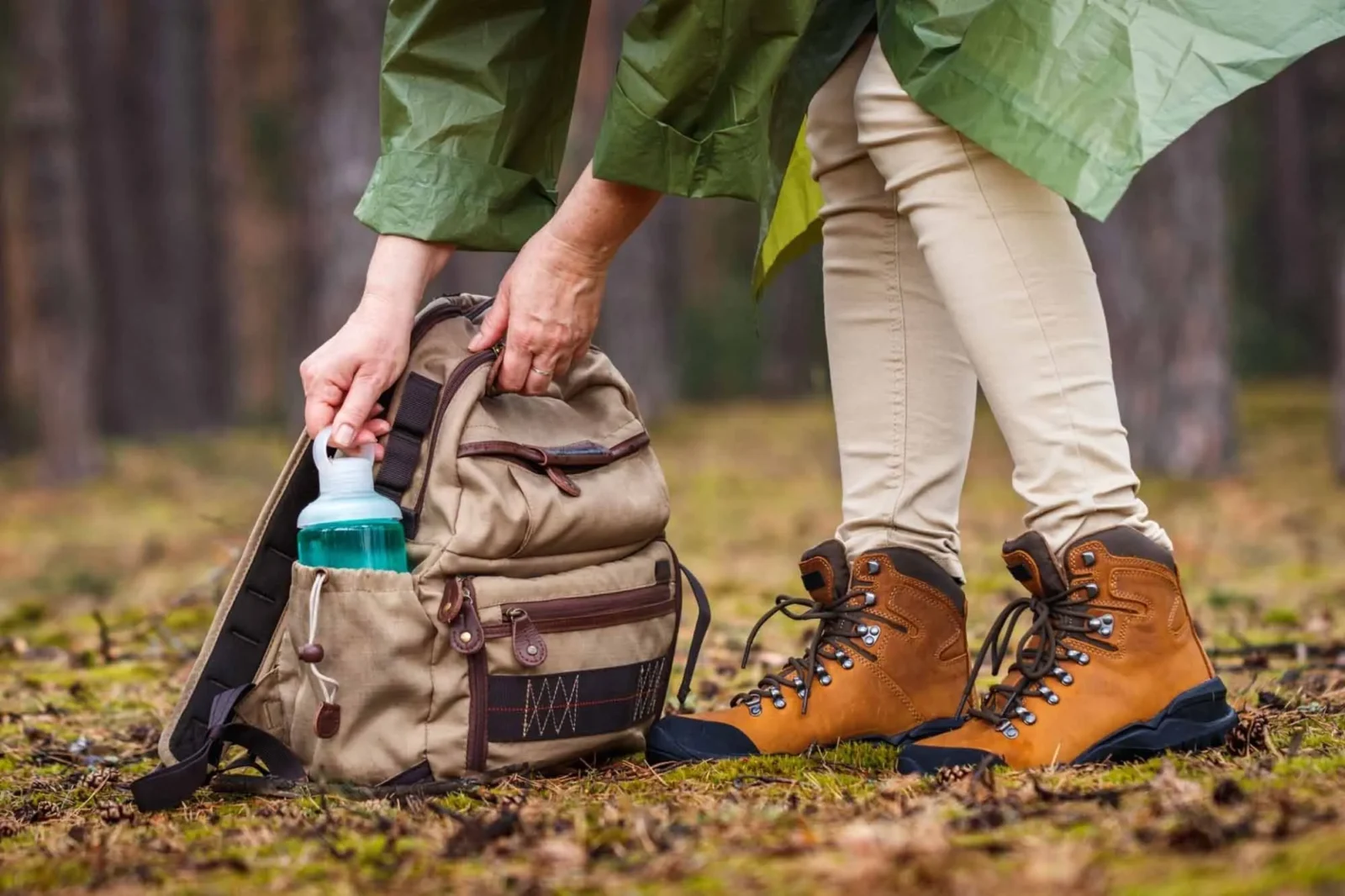
Footwear is one of the most important considerations for gorilla trekking. Sturdy hiking boots with good ankle support are essential due to uneven terrain and steep slopes. Trails can be muddy and slippery, especially during rainy periods.
Water-resistant or waterproof boots provide added comfort in wet conditions. Properly broken-in boots prevent blisters and foot pain during long treks. Comfortable footwear significantly reduces fatigue and improves balance.
Socks and Foot Comfort
Thick, moisture-wicking socks help prevent blisters and keep feet dry. Wearing long socks also provides additional protection against insects and irritation from vegetation.
Some trekkers choose to tuck trousers into socks for extra protection against ants or insects. This small adjustment can make a noticeable difference in comfort during the trek.
Rain Gear and Weather Protection
Rain is common in Volcanoes National Park, even during dry seasons. A lightweight, waterproof rain jacket is essential for gorilla trekking. It should be breathable to prevent overheating during physical activity.
Avoid heavy raincoats that restrict movement. Compact rain gear that can be easily packed and removed works best. Staying dry helps maintain body temperature and energy levels.
Gloves for Hand Protection
Gloves are highly recommended for gorilla trekking in Rwanda. They protect hands when grabbing vegetation for balance or pushing through dense undergrowth. Nettles and thorny plants can cause discomfort without hand protection.
Lightweight gardening or trekking gloves provide sufficient protection without reducing dexterity. Many trekkers find gloves invaluable, especially on steeper sections of the trail.
Headwear and Sun Protection
A hat or cap offers protection from both sun and rain. While forest cover reduces direct sunlight, exposed areas and clearings can feel warm. Headwear also helps manage rain and keeps moisture out of the eyes.
Sun protection remains important due to Rwanda’s high elevation. Even on cloudy days, ultraviolet exposure can be significant. Proper coverage prevents discomfort and fatigue.
What Not to Wear
Avoid short-sleeved shirts, shorts, or open shoes, as they offer little protection in the forest. Fashion-focused clothing is impractical and often becomes uncomfortable quickly.
Strong perfumes or scented products should be avoided, as they may attract insects or disturb wildlife. Neutral, functional clothing is always the best choice for trekking.
Packing Clothing the Night Before
Preparing trekking clothing the night before helps reduce stress on trekking morning. Organizing layers, rain gear, and accessories ensures nothing is forgotten during early departure.
Checking weather conditions and adjusting clothing choices accordingly allows trekkers to feel prepared and confident. Good preparation enhances focus and enjoyment on trekking day.
Plan Your Safari
Wearing the right clothing for gorilla trekking in Rwanda allows travelers to experience the forest comfortably and safely. Proper attire protects against the elements, reduces physical strain, and enhances overall enjoyment. With thoughtful preparation, clothing becomes a support system that allows the gorilla encounter to remain the true highlight of the journey.