Seasonal Safari Tips for Uganda Wildlife Adventures
Understanding the Role of Seasons in Uganda Safaris
When planning a wildlife adventure in Uganda, recognizing the influence of seasons on wildlife behavior, accessibility, and overall safari experience is crucial. Uganda’s equatorial location provides a generally mild climate, but subtle shifts in rainfall, humidity, and temperature significantly affect gorilla trekking, big game viewing, birdwatching, and lodge operations. Properly timed safaris allow travelers to maximize wildlife sightings, enjoy more comfortable trekking conditions, and capture the most photogenic landscapes. From lush, rain-soaked forests to sun-drenched savannahs, understanding Uganda’s seasonal patterns is key to crafting a memorable and safe wildlife adventure.
Dry Seasons: Optimal Conditions for Wildlife and Photography
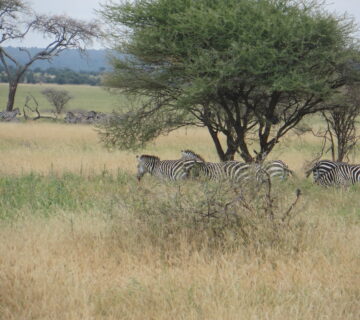
Uganda has two main dry seasons: December to February and June to September. These periods are ideal for both gorilla trekking and big game safaris, offering accessible trails and concentrated wildlife activity. In Bwindi Impenetrable Forest and Mgahinga Gorilla National Park, trekking routes become easier to navigate, reducing fatigue while allowing more consistent opportunities to track gorilla families. In the savannah parks such as Queen Elizabeth and Murchison Falls, animals gather near permanent water sources, improving predictability for spotting elephants, lions, buffalo, and hippos. Photographers benefit from clear skies, soft morning light, and golden afternoon sun, producing vibrant and dynamic images. Additionally, roads and lodge access are more reliable during dry months, making transfers and multi-park itineraries smoother.
Wet Seasons: Lush Landscapes and Unique Experiences
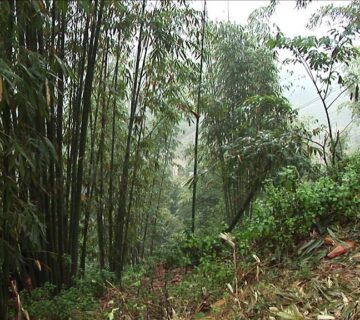
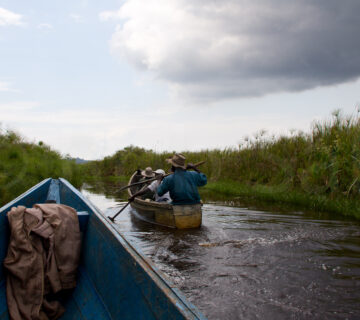
The wet seasons, typically March to May and October to November, bring intermittent but often heavy rains, which can make trekking trails slippery and certain park roads more challenging. Despite these logistical considerations, wet months offer unique advantages. Forests are at their greenest, savannahs burst with color, and rivers and waterfalls swell, creating dramatic scenic backdrops ideal for photography. Birding is particularly rewarding, as migratory and breeding species are abundant, allowing for exceptional wildlife and birdwatching experiences. Wet-season safaris also tend to be less crowded, providing a more intimate and immersive connection with nature. Travelers can enjoy quieter lodges, personalized guides, and wildlife encounters that feel more private.
Gorilla Trekking Tips for Different Seasons
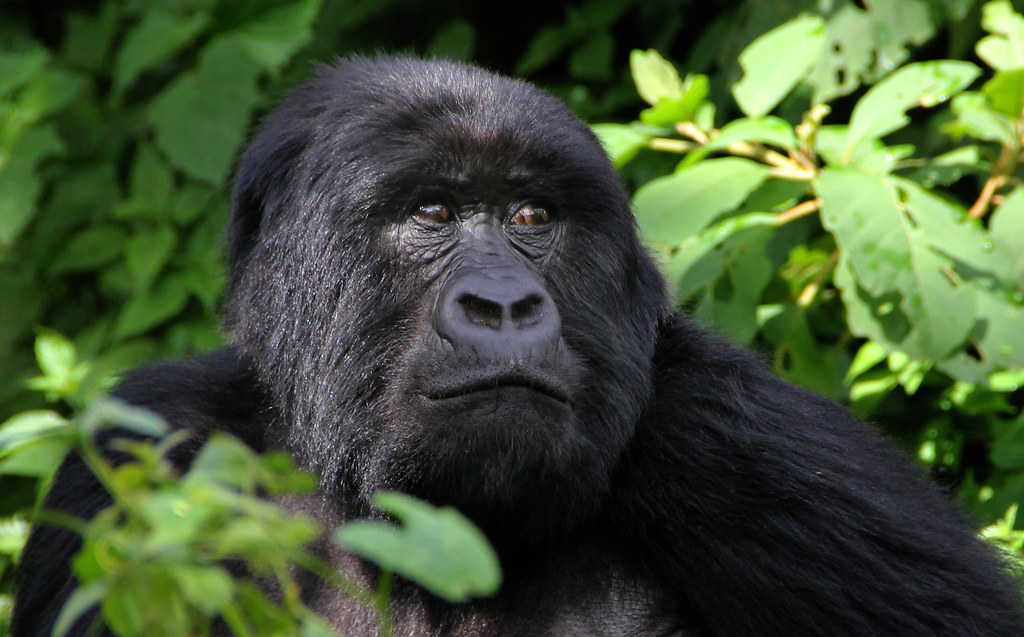
Gorilla trekking is a year-round activity, but seasonal differences affect preparation and comfort. During dry months, trails are more navigable and permits are easier to plan for precise itineraries. During the wet season, trekkers should expect muddy, slippery paths, which require waterproof boots, raincoats, and gaiters. Despite the extra effort, trekking in the wet season offers a magical rainforest atmosphere, with misty mornings, dramatic lighting, and richly verdant landscapes enhancing both the experience and photography. Booking gorilla permits well in advance is essential, especially during peak holiday periods, as slots fill quickly due to limited daily permits.

Big Game Safari Considerations
For big game safaris, seasonal knowledge directly impacts wildlife sightings. In dry months, herds gather near water sources, making sightings of elephants, lions, leopards, buffalo, and hippos more concentrated and predictable. Wet months may see animals more dispersed across the savannah, but breeding activity and young animals create unique observation opportunities, and lush landscapes provide excellent photographic contrast. Early morning and late afternoon game drives are recommended year-round for optimal animal activity and lighting conditions, while midday drives may see wildlife resting in shade, providing fewer active sightings.
Birding and Photography Opportunities
Uganda is a paradise for birders and photographers throughout the year, but seasonal variations dictate the best locations and timings. Dry seasons favor open landscapes and riverbanks, ideal for wide-angle shots of large mammals and dramatic sunrises or sunsets. Wet seasons enhance forest textures, waterfalls, and river reflections, perfect for atmospheric, high-contrast photography. Migratory bird arrivals and breeding periods during wet months create peak opportunities for birding enthusiasts, while resident species are easier to spot during dry months. For photographers, carrying versatile lenses, spare batteries, memory cards, and rain protection ensures readiness for unpredictable wildlife encounters across both forested and open savannah habitats.
Lodge and Travel Planning Across Seasons
Seasonality also affects lodging and logistical planning. Peak travel during dry months and festive seasons often requires early booking to secure luxury and mid-range lodges. Roads to remote parks are more passable in dry periods, facilitating smoother transfers and multi-park itineraries. During wet months, travel time may increase, especially to remote lodges in Bwindi or Mgahinga. Eco-lodges and tented camps require proper preparation for rain, while mid-range and luxury lodges often provide enhanced comfort and covered safari vehicles for rainy conditions. Planning ahead ensures a seamless safari, regardless of seasonal challenges.
Packing and Preparation Tips
Preparation is essential for a comfortable safari across all seasons. Dry-season travelers should pack lightweight clothing, hats, sunglasses, sunscreen, and sturdy hiking shoes. Wet-season travelers must include waterproof jackets, quick-dry clothing, ponchos, and protective gear for cameras and electronics. Layering is advisable, as temperatures can vary from cool mornings in high-altitude forests to warm afternoons on the savannah. Insect repellent is recommended year-round due to Uganda’s tropical climate, and hydration packs or water bottles are essential for long drives and forest hikes.
Maximizing Your Wildlife Adventure Through Season Awareness
Understanding Uganda’s seasonal patterns allows travelers to strategically plan safaris that meet their preferences for comfort, adventure, photography, and wildlife sightings. Dry seasons provide reliable access, predictable wildlife activity, and optimal photographic conditions, while wet seasons offer lush landscapes, rich biodiversity, and a quieter, more intimate safari experience. By aligning travel plans with the right season, preparing appropriate clothing and gear, and booking lodges and permits in advance, visitors can fully enjoy Uganda’s diverse wildlife—from gorilla families in misty forests to elephants and lions on sunlit savannahs. With thoughtful seasonal planning, every safari in Uganda becomes a safe, immersive, and unforgettable adventure.