Gorilla Trekking Photography Packages in Uganda: Capture the Majesty of Mountain Gorillas
The Photographer’s Dream Safari
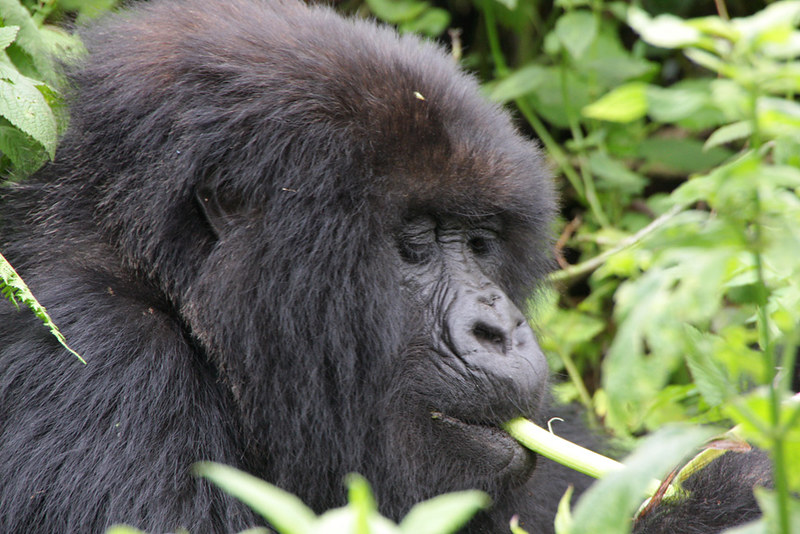
Uganda’s Bwindi Impenetrable Forest and Mgahinga Gorilla National Park are home to one of the world’s most iconic and endangered species—the mountain gorilla. For wildlife photographers, trekking to see these gentle giants is an unmatched experience. Gorilla trekking photography packages in Uganda are designed to offer photographers an immersive, well-organized safari that balances adventure, comfort, and the opportunity to capture intimate, high-quality images of gorillas and their forest environment.
What Gorilla Trekking Photography Packages Include
These specialized packages cater specifically to photographers by combining logistical support, expert guidance, and strategic access:
-
Professional Photography Guides: Guides trained to understand wildlife behavior and photography, helping you anticipate gorilla movements and find optimal positions for safe and stunning shots.
-
Flexible Trekking Schedules: Early morning starts and adaptable pacing allow photographers to shoot during soft light conditions, ideal for capturing the forest ambiance.
-
Pre-Trek Photography Briefings: Guidance on camera settings, composition, shutter speed, and ethical practices ensures photographers are ready for varied forest lighting and wildlife interactions.
-
Private or Small Group Treks: Limited numbers reduce crowding, allowing photographers to focus on gorillas without distraction.
-
Accommodation Near Trekking Trails: Staying close to gorilla trekking trailheads minimizes travel time, enabling early access to gorilla families and golden hour shooting.
-
Additional Photographic Opportunities: Forest landscapes, birdlife, golden monkeys, and insects along trekking routes offer diverse subjects beyond the gorillas themselves.
By combining these elements, photography packages maximize your time in the forest and the quality of your images.
Recommended Photography-Friendly Lodges
Choosing the right lodge is essential for optimizing both comfort and photographic access:
-
Cloud Mountain Gorilla Lodge: Elevated terraces provide panoramic forest views, pre-dawn shooting opportunities, and quick access to Bwindi trekking trails.
-
Rushaga Gorilla Camp: Located near southern Bwindi habituated gorilla families, it offers intimate access and guides familiar with gorilla behavior for close-up photography.
-
Mount Gahinga Lodge: Straddling Bwindi and Mgahinga, it provides both gorilla and golden monkey trekking opportunities, plus scenic forest and volcanic backdrops for landscape shots.
-
Gorilla Mist Camp: Nestled within the forest, it offers quiet surroundings and early access to trails, perfect for capturing misty forest atmospheres and wildlife behavior.
These lodges combine comfort, accessibility, and scenic locations tailored for wildlife photography.
Photography Tips for Gorilla Treks
Capturing high-quality gorilla images requires both technical and observational skills:
-
Use Telephoto and Wide-Angle Lenses: Telephoto lenses (300mm+) allow close-up shots without disturbing gorillas, while wide-angle lenses capture families within their forest context.
-
Adjust Settings for Low Light: Forests often have dim lighting; use wider apertures, higher ISO, and faster shutter speeds to freeze movement without sacrificing clarity.
-
Focus on Behavior: Capture playful interactions, grooming, feeding, and social dynamics to tell a compelling story.
-
Respect Distance Rules: Maintain at least 7 meters from gorillas to ensure ethical photography and preserve natural behavior.
-
Protect Your Gear: Humid and misty environments require rain covers, microfiber cloths, and lens hoods to keep equipment safe and lenses clear.
-
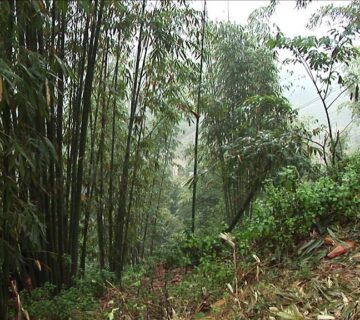
Include Environmental Context: Incorporate mist, forest understory, and background trees to enhance the storytelling of your images.
Following these tips ensures that photographs are both ethically captured and visually striking.
Seasonal Considerations
-
Dry Season (December–February, June–August): Trails are more accessible, gorillas are easier to spot, and morning light is ideal for crisp, clear images.
-
Wet Season (March–May, September–November): Forests are lush and green, mist creates atmospheric shots, and golden monkeys are more active, though trekking can be more challenging.
Timing your trip according to your photographic priorities can greatly influence the style and quality of your images.
Additional Photography Opportunities
While gorillas are the centerpiece, Uganda’s forests offer diverse subjects:
-
Golden Monkeys: Agile and colorful, providing dynamic movement shots.
-
Birdlife: Sunbirds, turacos, and hornbills in the forest canopy are ideal for telephoto and macro photography.
-
Flora and Macro Subjects: Forest plants, fungi, butterflies, and insects allow for detailed, artistic compositions.
-
Landscape Shots: Misty valleys, forested hills, and volcanic peaks provide scenic backdrops for gorilla and wildlife photography.
By combining gorilla photography with other wildlife and landscape subjects, packages provide a rich and varied portfolio of images.
Benefits of Photography-Focused Packages
-
Maximized Time with Gorillas: Extended trekking periods and small group sizes allow more photographic opportunities.
-
Expert Guidance: Guides help position photographers safely and provide tips for capturing natural behavior.
-
Comfort and Convenience: Strategic lodges reduce travel fatigue and provide early morning advantages for shooting in optimal light.
-
Holistic Experience: Includes forest landscapes, birding, and golden monkey photography, enriching the safari experience beyond gorillas.
These benefits ensure a photography safari that is both productive and memorable.
Immortalize Uganda’s Forest Giants
Gorilla trekking photography packages in Uganda offer a once-in-a-lifetime opportunity to capture mountain gorillas in their natural habitat. By combining expert guides, strategically located lodges, and photographer-centric itineraries, these packages allow you to document the emotional depth, social interactions, and forest environment of one of Africa’s most iconic species. With careful preparation, technical skill, and ethical practice, each trek can result in extraordinary images that tell the story of Uganda’s misty forests and its gentle giants.