Tips for Wildlife Photography on Uganda Safaris: Capture the Wild Like a Pro
Uganda, famously known as the “Pearl of Africa,” offers some of the most extraordinary wildlife experiences on the continent. From the misty forests of Bwindi and Mgahinga, home to mountain gorillas and golden monkeys, to the vast savannahs of Queen Elizabeth and Murchison Falls National Parks, the country is a paradise for wildlife photographers. But capturing stunning images goes beyond pointing and shooting; it requires preparation, patience, and understanding of both wildlife behavior and photographic techniques.
Understand the Wildlife You Are Photographing
Every successful wildlife photo begins with knowing your subject. Mountain gorillas and chimpanzees provide intimate opportunities to capture expressions, family interactions, and playful moments. Observing how they move, interact, and communicate allows photographers to anticipate the perfect shot. Big game such as lions, elephants, leopards, and buffalo offer dynamic opportunities, especially during early morning or late afternoon when wildlife activity is at its peak. Even small details, like birds feeding or insects in bloom, add layers to your wildlife photography story.
Choose the Right Gear for Every Situation
Photography on Uganda safaris demands versatile and reliable equipment. A DSLR or mirrorless camera with fast autofocus and high ISO performance is ideal for low-light forest conditions. Telephoto lenses between 300mm–600mm help you capture distant big game safely, while wide-angle lenses are perfect for gorilla family portraits or sweeping forest landscapes. For macro shots of birds, insects, and flora, a dedicated macro lens is essential. Tripods or monopods are valuable for stability during low-light shooting, and always carry extra batteries, memory cards, and protective gear for unpredictable conditions.
Master Lighting and Timing
Lighting can make or break your wildlife photographs. Early mornings and late afternoons provide the soft, golden light that enhances textures and creates dramatic shadows, ideal for both forest and savannah environments. Dense forests like Bwindi and Mgahinga often require wider apertures and higher ISO settings to cope with low light. Open savannahs can be tricky at midday due to harsh shadows, so aim to capture action in the soft glow of sunrise or sunset. Misty mornings or overcast days, while challenging, offer moody and atmospheric shots that add depth to your portfolio.
Composition: Tell a Story Through Your Images
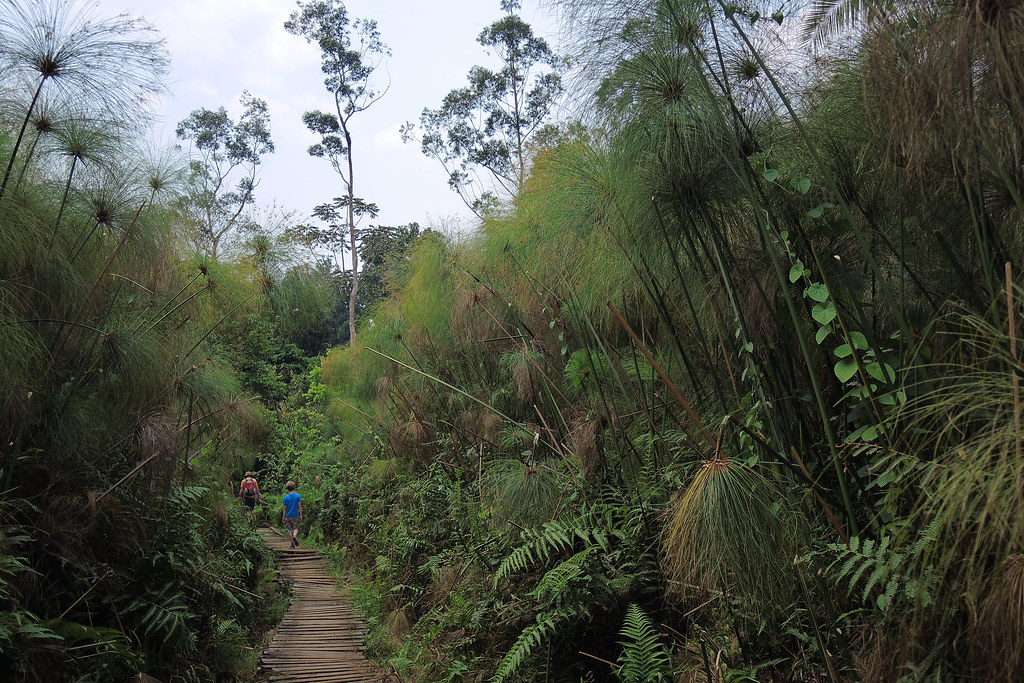
Composition is critical in turning a good shot into a great one. Use the rule of thirds to position subjects off-center and create visual balance. Leading lines, like trails, rivers, or bamboo groves, guide the viewer’s eye directly to the subject. Natural frames, such as tree branches or foliage, add depth, while incorporating elements of the habitat provides context and narrative. Capturing animals engaged in natural behavior—feeding, grooming, or playing—adds authenticity and emotion to your images.
Patience and Observation Are Key
Wildlife photography is as much about waiting and watching as it is about technical skill. Some of the most compelling shots—gorillas interacting in a misty clearing or lions playing at dawn—come from careful observation and patience. Experienced local guides can enhance this experience by anticipating animal behavior, pointing out opportunities, and helping you position yourself for the best angles. Spending more time in one area often leads to unique and authentic shots that others might miss.
Ethical Wildlife Photography Practices
Capturing stunning photos must never come at the cost of the animals’ well-being. Always maintain safe distances, use telephoto lenses to avoid disturbing wildlife, and follow park regulations. Minimize noise and movement, and never interfere with natural behaviors. These practices not only protect the animals but also ensure that photographers can continue to enjoy and document Uganda’s wildlife responsibly.
Post-Processing: Enhance Without Overdoing
Post-processing allows photographers to refine their images while maintaining authenticity. Adjust exposure, contrast, and color balance to bring out details and natural tones. Cropping can improve composition, and noise reduction is essential for shots taken in low-light forest conditions. Subtle sharpening enhances textures in fur, feathers, and foliage. Thoughtful post-processing ensures your photos reflect the beauty and realism of Uganda’s wildlife.
Seasonal Considerations
Timing your safari is important for photography. The dry seasons, from December to February and June to August, provide easier access to parks, concentrated wildlife near water sources, and clear skies for wide-angle landscape shots. The wet season, from March to May and September to November, offers lush greenery, vibrant birdlife, and misty landscapes that can create moody and dramatic compositions. Your choice depends on the type of wildlife, landscapes, and mood you want to capture.
Conclusion: Make Every Safari Photographically Rewarding
Wildlife photography in Uganda combines adventure, patience, and creative skill. By understanding animal behavior, choosing the right equipment, mastering lighting, applying thoughtful composition, and following ethical practices, every safari can yield remarkable images. From intimate gorilla portraits in the misty forests to dramatic big game moments on the savannah, Uganda offers endless opportunities to capture the wild in its purest form. With preparation and observation, every photograph tells a story, making your safari experience both memorable and visually extraordinary.