How to Capture Stunning Gorilla and Wildlife Photos in Uganda
The Magic of Wildlife Photography
Uganda offers photographers a unique opportunity to capture some of Africa’s most iconic species in their natural habitats. From the misty forests of Bwindi Impenetrable Forest to the vast savannahs of Queen Elizabeth National Park, photographers can document gorillas, chimpanzees, elephants, lions, hippos, and countless birds. Capturing stunning wildlife photos requires a combination of preparation, technical skills, patience, and respect for animals. By following key principles, photographers can create compelling images that tell the story of Uganda’s rich biodiversity.
Understanding Gorilla Behavior for Photography
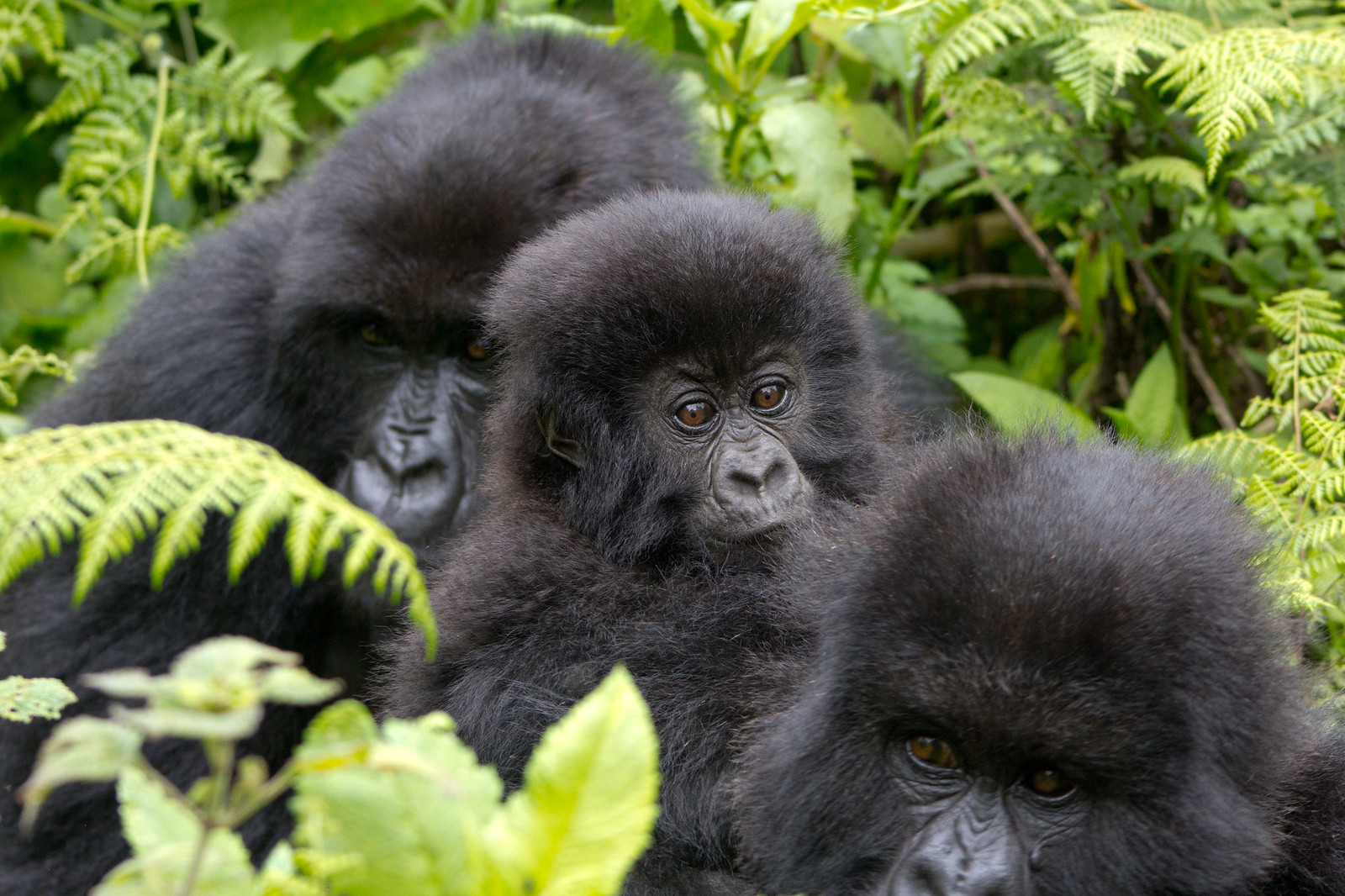
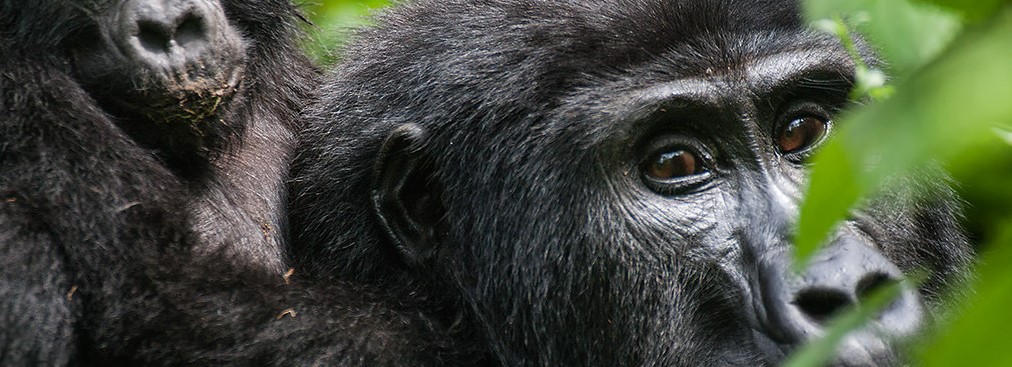
Mountain gorillas are the crown jewel of wildlife photography in Uganda. Understanding their behavior is critical:
-
Observation Before Shooting: Spend time observing gorillas’ movements, interactions, and expressions before lifting the camera.
-
Respect Personal Space: Maintain the mandated distance (usually 7 meters) to ensure safety and minimize stress on the gorillas.
-
Focus on Expressions and Interaction: Capture social behaviors such as grooming, play, and bonding moments to create emotive images.
-
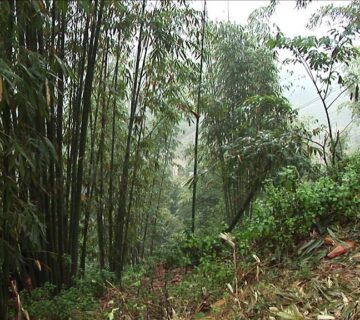
Lighting in Forests: Bwindi’s dense canopy can create challenging lighting conditions. Use a wide aperture, adjust ISO appropriately, and consider a fast lens to handle low light.
Patience and careful observation will allow photographers to capture intimate, story-driven gorilla images.
Choosing the Right Equipment
Wildlife photography demands versatile and reliable equipment:
-
Camera Body: A DSLR or mirrorless camera with fast autofocus and high ISO performance is ideal.
-
Lenses: Telephoto lenses (300–600mm) for big game, wide-angle for gorillas in forest settings, and macro for birds or insects.
-
Tripods/Monopods: Useful for stability during low-light shots, especially in forests or during early morning drives.
-
Protective Gear: Lens hoods, rain covers, and dust-proof bags are essential for unpredictable weather conditions.
The right gear enhances the ability to capture sharp, vibrant, and dynamic wildlife images.
Composition Techniques for Stunning Wildlife Photos
Composition is critical in wildlife photography:
-
Rule of Thirds: Place subjects off-center for more visually compelling images.
-
Leading Lines and Natural Frames: Use branches, rivers, or shadows to guide the viewer’s eye to the subject.
-
Perspective: Shoot from low angles to make animals appear more majestic or use elevated positions for broader context.
-
Behavioral Shots: Capture animals engaging in natural activities—feeding, grooming, hunting—to add narrative depth.
-
Environmental Context: Include habitat elements to convey the setting and ecosystem, enhancing the storytelling aspect.
Combining technical skill with creative composition results in photos that are both impactful and memorable.
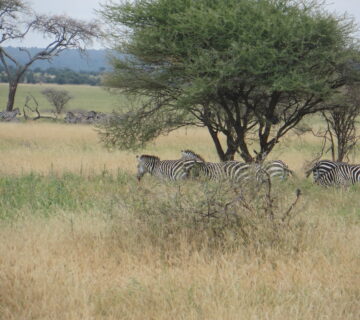
Wildlife Photography in Open Savannas
In parks like Queen Elizabeth and Murchison Falls, photographing big game presents different challenges:
-
Distance Management: Use telephoto lenses to safely photograph large mammals while preserving natural behavior.
-
Lighting Considerations: Early morning or late afternoon provides soft, golden light ideal for dramatic wildlife shots.
-
Action Shots: Fast shutter speeds are crucial to freeze movement during running, hunting, or playful behavior.
-
Tracking and Anticipation: Experienced guides can predict animal movements, helping photographers capture decisive moments.
Savannah photography often emphasizes grandeur and dynamic movement, complementing the intimate forest shots of primates.
Bird and Insect Photography
Uganda is a birdwatcher’s paradise, with over 1,000 species:
-
Patience and Timing: Early morning is ideal for bird activity.
-
Macro Techniques: Capture close-ups of insects, butterflies, and small birds using macro lenses or extension tubes.
-
Background and Depth of Field: Use shallow depth of field to isolate subjects from busy natural backgrounds.
-
Ethical Approach: Avoid disturbing nesting or feeding sites, and respect wildlife habitats.
These subjects provide additional diversity and creativity for photography portfolios.
Post-Processing Tips
Post-processing enhances the final impact of wildlife photos:
-
Exposure and Contrast: Adjust brightness and contrast to highlight details without overediting.
-
Color Correction: Correct white balance for natural-looking colors, especially in dense forests.
-
Cropping and Composition: Fine-tune framing to emphasize subjects and eliminate distractions.
-
Noise Reduction: Especially important for low-light gorilla or forest shots with high ISO settings.
Ethical post-processing preserves the integrity of wildlife while improving visual storytelling.
Ethical Photography Practices
Stunning photos should always respect wildlife:
-
Never chase or provoke animals for a shot.
-
Maintain safe distances to avoid stress or danger.
-
Follow park rules and guide instructions for responsible photography.
-
Avoid leaving any trace behind or disturbing natural habitats.
Ethical photography ensures that wildlife remains safe and continues to thrive for future generations.
Capturing Uganda’s Wildlife in Their True Essence
Capturing stunning gorilla and wildlife photos in Uganda requires preparation, skill, and respect for nature. By understanding animal behavior, using appropriate equipment, mastering composition, and practicing patience, photographers can create powerful and emotive images. From the intimate moments of gorillas in Bwindi to dramatic savannah scenes in Queen Elizabeth, Uganda offers endless opportunities for photographers to craft compelling stories of wildlife, conservation, and the beauty of Africa’s natural world.