How to Save on Safari Holidays in Uganda: Budget-Friendly Tips for Wildlife Adventures
Introduction: Enjoy Uganda’s Wildlife Without Overspending
Uganda is renowned for its extraordinary wildlife, including gorillas, chimpanzees, elephants, lions, and a variety of bird species. While safaris are often associated with luxury and high costs, it is possible to experience the country’s wildlife on a budget. By making strategic choices in travel timing, accommodation, park visits, and activities, travelers can enjoy memorable safaris while keeping expenses manageable. With careful planning, saving on a safari holiday in Uganda does not mean compromising on wildlife experiences.
Travel During Off-Peak or Shoulder Seasons
Timing your safari is one of the most effective ways to save money. Uganda has dry seasons (December to February and June to August) and wet seasons (March to May and September to November). Traveling during low or shoulder seasons offers lower prices for accommodations, park fees, and tour packages. While roads may be muddier during the wet season, fewer tourists and discounted rates make it an ideal time for budget-conscious travelers.
Choose Budget-Friendly Accommodations
Uganda has a wide range of accommodation options, from budget lodges and guesthouses to eco-lodges and campsites. Budget lodges often provide clean rooms, basic meals, and convenient access to national parks. Staying in community-run lodges or eco-lodges not only supports local communities but also keeps costs low. Travelers can also consider mixing mid-range and budget lodges to balance comfort and savings without compromising wildlife access.
Optimize Safari Itineraries
Planning an efficient itinerary can significantly reduce travel costs. Focus on a few key parks to minimize long drives and transport expenses. For example, combining Queen Elizabeth National Park with Bwindi Impenetrable Forest reduces travel time while allowing a mix of big game safaris and gorilla encounters. Avoid trying to visit too many parks in one trip, as this increases both transport costs and fatigue. Self-drive safaris or small group tours also offer cost-effective alternatives to private packages.
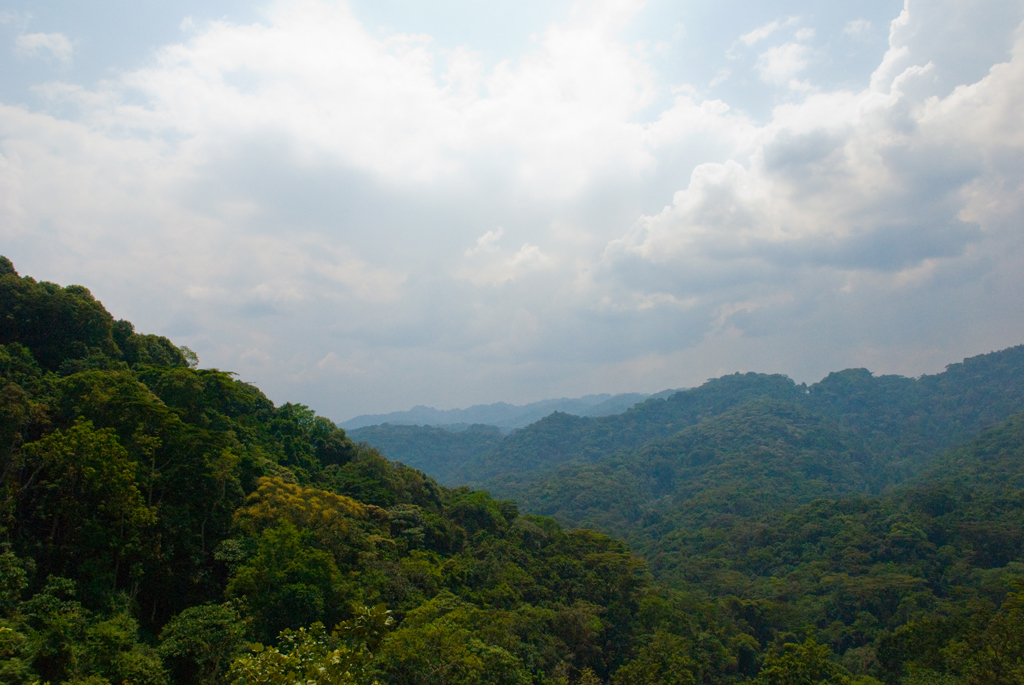
Save on Gorilla and Chimpanzee Trekking
Gorilla and chimpanzee trekking are among the most expensive safari activities. Ways to save include:
-
Book permits in advance to secure official rates rather than relying on intermediaries.
-
Consider less popular sectors of Bwindi or Mgahinga, which may offer slightly cheaper permits.
-
Limit trekking days and combine with other lower-cost wildlife experiences.
-
Participate in community-based chimpanzee tracking programs, which are more affordable than high-end packages.
Strategic planning allows travelers to experience primates without inflating the overall budget.
Use Shared or Group Safari Options
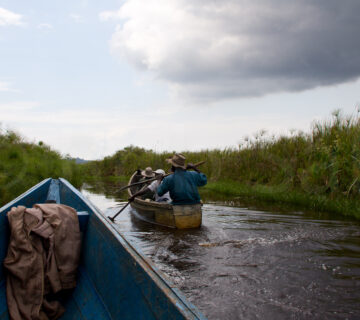
Private safaris can be costly. Choosing shared game drives, boat safaris, or walking tours reduces the per-person cost while still offering excellent wildlife viewing. Group tours often include experienced guides, park fees, and vehicles, making them more economical than arranging everything individually. Booking with reputable local operators can also yield better value and personalized attention.
Save on Transportation
Transportation costs can add up, especially if visiting multiple parks. Options for savings include:
-
Public buses and shared shuttles between major towns and parks
-
Self-drive options for travelers comfortable navigating Uganda’s roads
-
Combining transfers to minimize repeated long-distance trips
By planning transport efficiently, travelers can reduce costs while maintaining convenience.
Manage Food and Daily Expenses
Meals and incidentals can impact a safari budget. Tips for saving include:
-
Eating at local restaurants or lodges with included meals
-
Packing snacks and water for game drives
-
Choosing lodges with picnic options for lunch during excursions
Being mindful of daily expenses ensures that savings in accommodations and transport are not offset by high food costs.
Combine Activities Strategically
Maximizing value involves selecting a mix of activities that offer high wildlife engagement at low cost. For example, combining budget-friendly game drives with walking safaris, boat trips, or community visits allows travelers to experience Uganda’s diverse wildlife and culture without overspending. Prioritizing experiences based on interests ensures that essential wildlife encounters are included while minimizing unnecessary expenditures.
Smart Planning Equals Big Savings
Saving on safari holidays in Uganda is achievable through careful planning, strategic timing, and smart choices. Traveling during off-peak seasons, selecting budget accommodations, optimizing itineraries, using shared tours, and managing daily expenses all contribute to a cost-effective safari. With these strategies, travelers can enjoy Uganda’s gorillas, chimpanzees, big game, and breathtaking landscapes without compromising on adventure, comfort, or wildlife experiences.