How to Plan Cheap Safari Holidays in Uganda: Budget-Friendly Wildlife Adventures
Affordable Safaris Without Compromising Adventure
A safari in Uganda doesn’t have to break the bank. While the country is renowned for luxury gorilla trekking and high-end lodges, budget-conscious travelers can still enjoy rich wildlife experiences, stunning landscapes, and thrilling safaris at a fraction of the cost. Planning a cheap safari holiday requires strategic choices in accommodations, transportation, timing, and park visits, allowing travelers to experience Uganda’s biodiversity without overspending.
Choosing the Right Time to Travel
Timing your safari is one of the most effective ways to save money. Uganda has two main seasons: dry and wet. Traveling during the low or green season (March to May and September to November) often provides lower prices for accommodations, park permits, and guided tours. Roads can be wetter and some trails muddy, but wildlife viewing remains excellent, and fewer tourists mean more personalized experiences at a lower cost. Booking in advance or securing last-minute deals during these periods can significantly reduce safari expenses.
Selecting Budget-Friendly Accommodations
Uganda offers a wide range of budget accommodations, including guesthouses, hostels, budget lodges, and campsites near key wildlife parks. While these options may not have luxury amenities, many provide clean rooms, basic meals, and safe surroundings close to wildlife areas. Staying in community-run lodges or eco-lodges can also be cost-effective and supports local communities. Combining budget accommodations with one or two mid-range stays can provide a balanced safari experience that remains affordable yet comfortable.
Planning Efficient Safari Itineraries
Minimizing travel time and distance between parks can cut transportation costs. Focus on a few key destinations such as Queen Elizabeth National Park for big game, Bwindi Impenetrable Forest for gorillas (consider a single gorilla trek instead of multiple), or Murchison Falls National Park for waterfalls and wildlife. Grouping parks geographically avoids unnecessary long drives or expensive flights, making it possible to maximize wildlife experiences while staying within budget. Self-drive safaris or small group tours can also reduce overall costs.
Saving on Gorilla and Chimpanzee Trekking
Gorilla and chimpanzee trekking is one of Uganda’s biggest expenses. To plan on a budget:
-
Consider trekking in less popular sectors of Bwindi or Mgahinga, where permits may be slightly cheaper.
-
Limit the number of trekking days and combine gorilla experiences with lower-cost wildlife activities elsewhere.
-
Book permits in advance through official channels to avoid inflated prices from intermediaries.
-
Opt for community-based tracking programs for chimpanzees, which are less costly than high-end trekking packages.
By strategically choosing permits and combining with other affordable wildlife activities, travelers can experience primates without overspending.
Choosing Affordable Safari Operators
Selecting the right safari operator can greatly influence costs. Small local tour companies often offer competitive prices and customizable itineraries. Group tours or shared safaris reduce individual costs compared to private excursions. Always compare what is included—vehicles, park fees, meals, and guides—to ensure value for money. Negotiating directly with local operators can also yield discounts, especially for multi-day itineraries.
Utilizing Public Transport and Shared Transfers
While private transfers offer convenience, public transport and shared shuttles are much more budget-friendly. Matatus (minibuses), buses, and shared 4×4 vehicles are available between major towns and near parks. Combining public transport with local taxis or boda bodas for short distances can drastically reduce overall travel costs, especially for budget-conscious families or solo travelers.
Saving on Meals and Daily Expenses
Eating at local restaurants or enjoying meals provided by budget lodges is more economical than relying on high-end lodges or tourist restaurants. Packing snacks and water for game drives reduces additional costs in parks. Some lodges allow guests to self-cater or provide picnic options, which is both affordable and practical for long days in the wild.
Balancing Experience and Budget
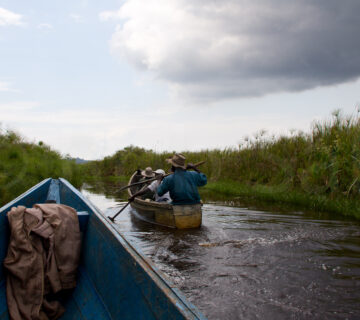
A budget safari does not mean compromising the overall experience. Combining affordable lodges, selective park visits, guided group tours, and self-planned activities ensures that travelers can witness Uganda’s wildlife, landscapes, and cultural highlights. Prioritize key wildlife encounters—gorilla trekking, boat safaris on the Kazinga Channel, or lion and elephant sightings—while opting for cost-effective experiences elsewhere.
Smart Planning for Affordable Safaris
Planning a cheap safari holiday in Uganda is entirely feasible with careful strategy. By traveling in the low season, choosing budget accommodations, optimizing itineraries, selecting affordable tour operators, and managing daily expenses, travelers can enjoy rich wildlife experiences without overspending. Smart planning allows adventurers to witness Uganda’s gorillas, big game, and breathtaking landscapes, making a budget safari both memorable and cost-effective.