Multi-Day Big Game Safari Itineraries: Designing the Ultimate Wildlife Journey
Why Multi-Day Safaris Offer the Best Big Game Experience
Multi-day big game safari itineraries provide the most complete and rewarding way to experience Africa’s wildlife. While short safaris offer a glimpse into the wild, extended itineraries allow travelers to slow down, explore diverse ecosystems, and observe animal behavior over time. Big game animals move according to natural rhythms influenced by weather, terrain, and water availability, and spending several days in the wilderness significantly increases the depth and quality of wildlife encounters. Multi-day safaris also allow for varied activities, scenic transitions between regions, and a balance between adventure and relaxation.
The Structure of a Multi-Day Big Game Safari
A well-planned multi-day safari itinerary is built around wildlife movement patterns and daily activity cycles. Early mornings are dedicated to game drives when predators are active and temperatures are cool. Midday hours provide time for rest at lodges, wildlife viewing from camp, or scenic relaxation. Afternoon and evening drives reveal different behaviors as animals emerge again before nightfall. Over multiple days, travelers gain a deeper understanding of the landscape, recognizing familiar animal groups and witnessing interactions that would be missed on a shorter visit. This layered experience is what makes extended safaris so compelling.
Short Multi-Day Safaris: Three to Four Day Itineraries
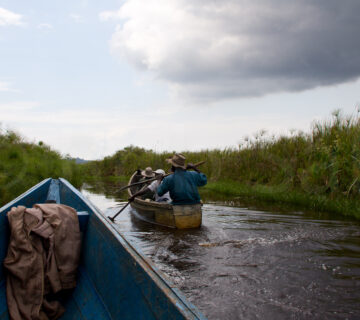
Three to four day big game safari itineraries are ideal for travelers with limited time who still want meaningful wildlife encounters. These itineraries usually focus on a single national park with a high density of wildlife. Over several game drives, visitors explore different sectors of the park, increasing the chance of spotting key species such as lions, elephants, buffalo, and leopards. Boat safaris or guided nature walks are often included to add variety and provide alternative perspectives on wildlife. Despite the shorter duration, these itineraries offer a well-rounded introduction to big game safaris and are often used as extensions to longer travel plans.
Medium-Length Safaris: Five to Seven Day Itineraries
Five to seven day big game safari itineraries strike an ideal balance between exploration and comfort. These itineraries often combine two distinct ecosystems, such as open savannahs and riverine landscapes, allowing travelers to experience greater biodiversity. Time is allocated for multiple game drives in each location, ensuring that wildlife sightings are not rushed. Scenic drives between parks become part of the adventure, showcasing changing landscapes and rural life. With more days available, travelers can enjoy slower mornings, longer wildlife encounters, and added activities such as cultural visits or photography sessions. This duration is particularly popular for first-time safari travelers seeking depth without overextending their schedule.
Extended Safaris: Eight to Fourteen Day Itineraries
Extended multi-day safari itineraries provide the most immersive big game experience. These journeys often cover several national parks and conservation areas, each offering unique wildlife and landscapes. Over the course of many days, travelers witness the full spectrum of safari life, from intense predator encounters to quiet moments observing grazing herds at dawn. Extended itineraries allow for flexibility, enabling guides to adapt plans based on wildlife movements and seasonal conditions. They also create space for rest days, scenic viewpoints, and meaningful engagement with local communities. For wildlife enthusiasts, photographers, and travelers seeking a transformative experience, longer safaris deliver unmatched depth and continuity.
The Role of Accommodation in Multi-Day Itineraries
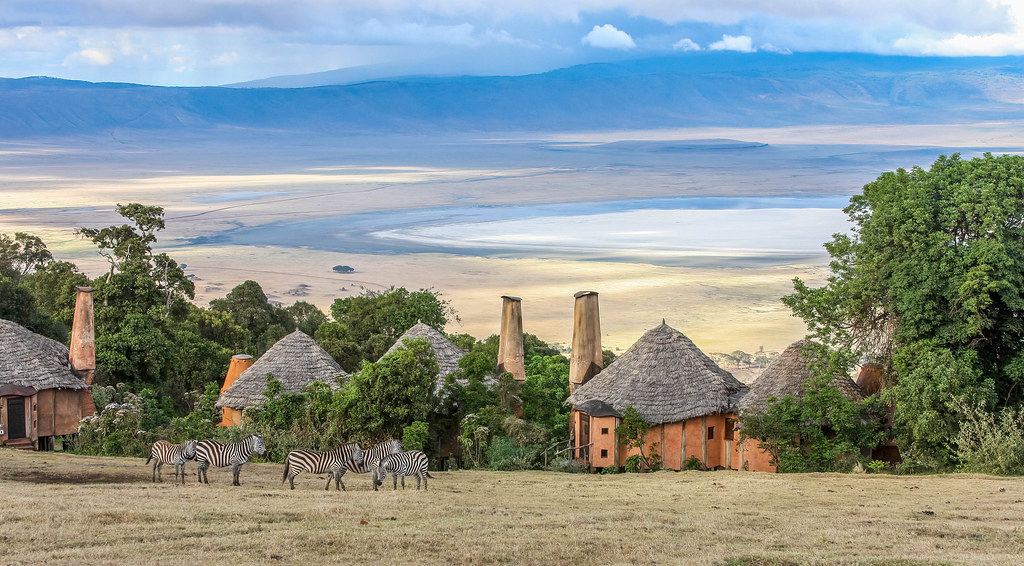
Accommodation plays a crucial role in shaping a multi-day safari itinerary. Safari lodges and camps are carefully selected to minimize travel time and maximize wildlife exposure. Staying multiple nights in one location allows guests to explore surrounding areas thoroughly rather than constantly relocating. Lodges become part of the safari narrative, offering wildlife viewing directly from camp, expert briefings before drives, and opportunities to reflect on daily sightings. Whether luxury lodges or intimate tented camps, accommodations are chosen to enhance comfort while maintaining a strong connection to the wilderness.
Wildlife Diversity Across Multi-Day Safaris
One of the greatest advantages of multi-day itineraries is exposure to a wide range of species and habitats. Over several days, travelers encounter not only iconic big game animals but also smaller mammals, birds, reptiles, and unique plant life. Repeated game drives increase the likelihood of witnessing rare behaviors such as hunting, territorial disputes, or interactions between predator and prey. Observing wildlife across different times of day and environmental conditions creates a richer and more authentic safari experience.
Seasonal Planning for Multi-Day Safaris
Seasonality plays an important role in itinerary design. During dry seasons, animals concentrate around water sources, making sightings more predictable and ideal for big game viewing. Roads are generally more accessible, allowing itineraries to cover wider areas. In wetter seasons, landscapes become lush and vibrant, birdlife flourishes, and fewer visitors create a more exclusive atmosphere. Multi-day itineraries are especially valuable during these periods because they allow time to navigate weather changes and adapt daily plans for optimal wildlife encounters.
Who Benefits Most From Multi-Day Safari Itineraries
Multi-day big game safari itineraries are well suited to travelers who value depth, learning, and meaningful engagement with nature. They appeal to wildlife enthusiasts, photographers, couples seeking immersive experiences, and travelers who prefer unrushed exploration. Families with older children and repeat safari visitors also benefit from longer itineraries that allow for flexible pacing and varied activities. The extended time spent in the wild fosters a stronger emotional connection to the environment and a deeper appreciation for conservation.
Why Multi-Day Safaris Create Lasting Memories
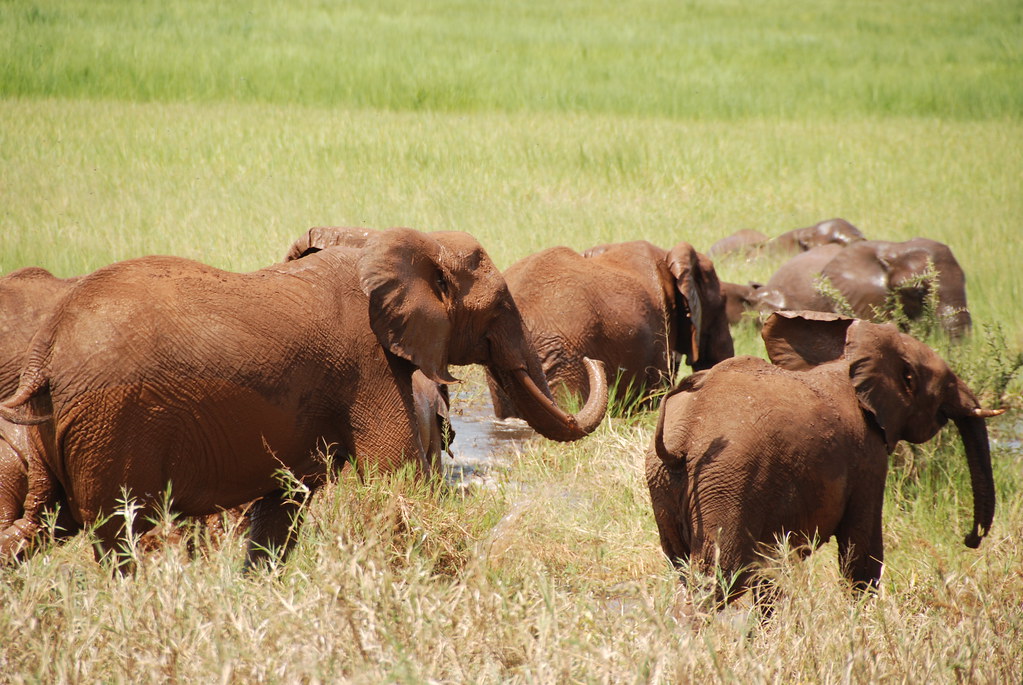
The true value of a multi-day big game safari lies in continuity. As days pass, travelers move beyond first impressions and begin to recognize patterns, landscapes, and even individual animals. The safari becomes a living story rather than a series of isolated sightings. Moments such as watching sunrise over the savannah, listening to distant lion calls at night, or observing elephants at a watering hole become deeply personal experiences. Multi-day itineraries transform safaris from vacations into journeys of discovery, reflection, and lasting connection with the wild.