How to Plan a Big Game Safari in Uganda
The Ultimate African Adventure
Planning a big game safari in Uganda is a journey into one of Africa’s most biologically diverse and scenic countries. Known as the “Pearl of Africa,” Uganda offers an extraordinary combination of savannahs, wetlands, lakes, and forests, making it one of the best destinations for observing Africa’s iconic wildlife. From majestic elephants and lions to elusive leopards and herds of antelopes, Uganda’s national parks offer immersive, close-up encounters with nature. A well-planned safari ensures that travelers maximize wildlife sightings, enjoy comfort, and create unforgettable experiences while supporting ethical tourism and conservation efforts.
Step 1: Choosing the Right Safari Destinations
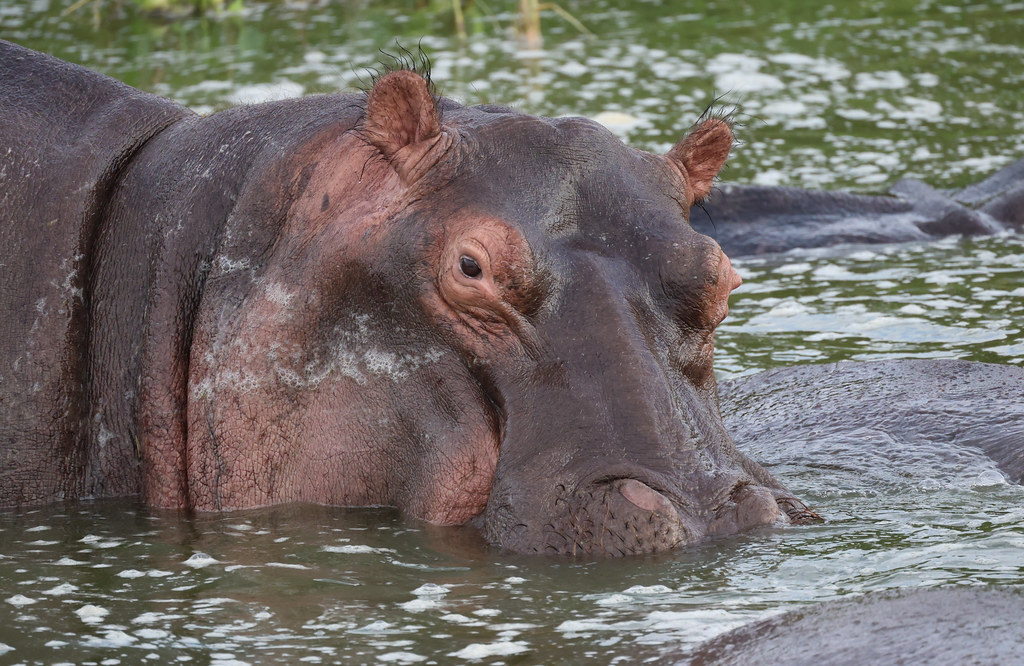
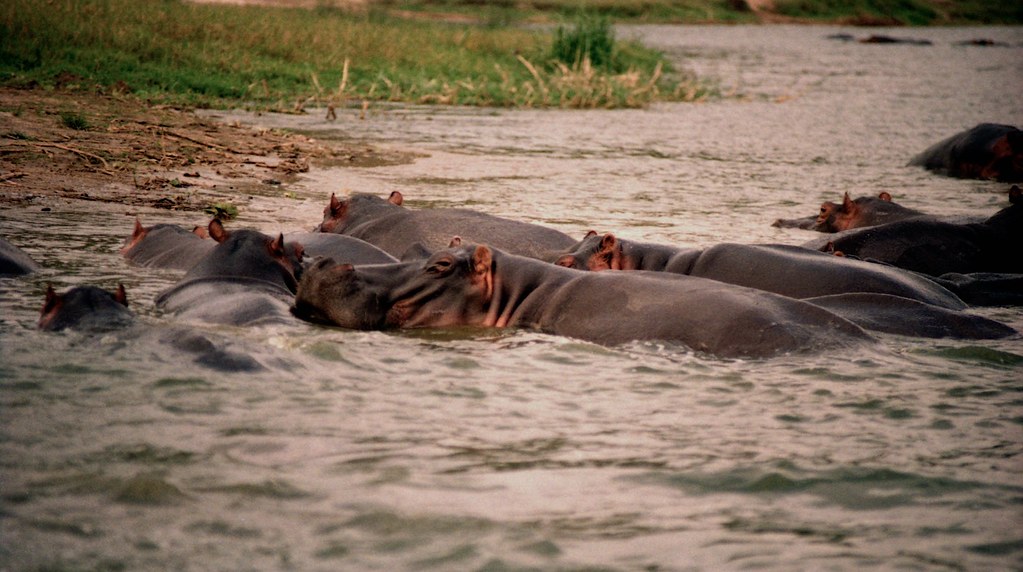
Uganda has several top-tier parks for big game safaris, each offering unique wildlife and landscapes. Queen Elizabeth National Park is renowned for its large elephant herds, tree-climbing lions in the Ishasha sector, and the Kazinga Channel, which provides spectacular boat safari experiences with hippos and crocodiles. Murchison Falls National Park combines dramatic scenery, including the Nile crashing through a narrow gorge, with abundant populations of buffalo, giraffes, lions, and elephants. Kidepo Valley National Park, in Uganda’s remote northeast, offers pristine wilderness with high predator density and large herds of antelopes. Selecting destinations should reflect both the type of wildlife you wish to see and the level of adventure you desire, balancing accessibility and exclusivity.
Step 2: Determining the Safari Duration
Safari durations in Uganda range from quick 3-day getaways to extensive 10-day or longer expeditions. Short safaris typically focus on one park, such as a 3-day Queen Elizabeth National Park adventure with morning and evening game drives, a boat safari on the Kazinga Channel, and optional nature walks. Longer itineraries allow travelers to visit multiple parks, incorporate chimpanzee trekking, birdwatching, and cultural visits, and experience a diversity of ecosystems. When planning the duration, account for travel time between parks, as some remote locations, like Kidepo, require long drives or domestic flights.
Step 3: Selecting the Best Time to Visit
Uganda’s climate supports year-round wildlife viewing, but the dry and wet seasons influence animal behavior and road accessibility. Dry seasons, from December to February and June to August, concentrate wildlife around water sources, improving visibility and ease of access. Roads are generally more navigable, especially in remote parks. Wet seasons, from March to May and September to November, bring lush greenery, full rivers, and exceptional birdwatching opportunities, though some park roads may be slippery or inaccessible. Choosing the season depends on whether priority is higher wildlife visibility or a more scenic, lush environment.
Step 4: Selecting Accommodation Options
Uganda offers a wide range of accommodation to suit different budgets and preferences. Luxury lodges provide private cabins, scenic views, fine dining, spa services, and personalized safari experiences. Mid-range lodges combine comfort and convenience, offering guided activities and access to parks without the high-end luxury amenities. Budget lodges and campsites provide an immersive wilderness experience with basic facilities, ideal for travelers seeking adventure without compromising the wildlife experience. Many lodges are strategically located near wildlife hotspots, allowing for early morning game drives and extended observation periods.
Step 5: Planning Safari Activities
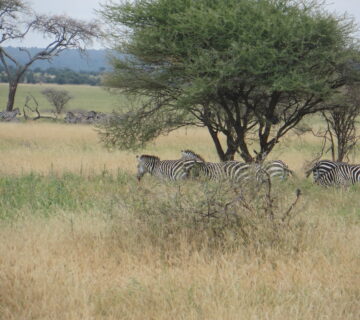
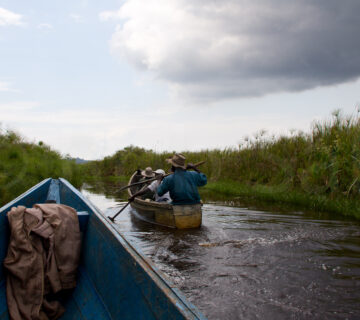
A successful big game safari combines diverse activities. Morning and evening game drives are essential, as animals are most active during cooler periods. Drives focus on spotting predators, tracking herds of elephants, buffalo, antelopes, and other big game. Boat safaris on the Kazinga Channel or Nile Delta offer up-close encounters with hippos, crocodiles, and waterbirds while providing a different perspective from land-based drives. Guided nature walks reveal smaller mammals, unique flora, and insights into the ecosystem. For those interested in cultural immersion, visits to local villages, markets, and conservation projects enhance the safari with educational and authentic experiences.
Step 6: Physical and Logistical Preparation
Safari travel in Uganda involves moderate physical activity and varied terrain. Travelers should pack neutral-colored clothing to blend with the environment, sturdy walking shoes, hats, sunglasses, insect repellent, sunscreen, and reusable water bottles. Binoculars and cameras with zoom lenses are recommended for photography. Health considerations include vaccinations for yellow fever and malaria prophylaxis, as well as travel insurance covering medical evacuation if necessary. Careful planning ensures comfort and safety during game drives, boat safaris, and nature walks.
Step 7: Working With a Reputable Safari Operator
Choosing an experienced safari operator is crucial for maximizing wildlife encounters and ensuring smooth logistics. Reputable operators provide knowledgeable guides, arrange park permits, organize transportation, and coordinate accommodations. They also enforce ethical wildlife practices and follow conservation regulations, enhancing both safety and environmental responsibility. A skilled operator transforms a well-planned itinerary into an enriching experience, helping travelers spot elusive wildlife, understand behavior, and gain cultural insights.
Step 8: Understanding Ethical Wildlife Practices
Ethical wildlife observation is central to a responsible safari. Guidelines include maintaining safe distances from animals, limiting group sizes during encounters, avoiding loud noises or flash photography, and following guide instructions at all times. Supporting operators who contribute to conservation programs, anti-poaching initiatives, and local communities ensures that tourism benefits both wildlife and the people who protect it. Responsible travel enhances the safari experience while safeguarding Uganda’s natural treasures for future generations.
Step 9: Budgeting and Cost Considerations
A big game safari in Uganda can be tailored to a range of budgets. Luxury safari packages often include private lodges, exclusive guides, private game drives, and premium services. Mid-range packages focus on shared lodges, group drives, and standard services without compromising wildlife encounters. Budget safaris include basic accommodation, shared vehicles, and community-guided experiences. Factoring in park fees, transportation, food, and optional activities allows travelers to plan realistically and choose the level of comfort and exclusivity that suits their needs.
Step 10: Making the Safari Experience Memorable
Planning a safari is not just about logistics; it’s about crafting an unforgettable adventure. For maximum enjoyment, consider combining big game drives with boat safaris, photography sessions, and cultural interactions. Early mornings and late evenings are ideal for wildlife observation, while mid-day breaks allow time to relax and appreciate the scenery. By anticipating wildlife behavior, weather conditions, and terrain, travelers can create a seamless, memorable safari experience that balances adventure, comfort, and immersion in Uganda’s wild landscapes.