Budget Gorilla Trekking Packages in Bwindi Impenetrable Forest
Gorilla trekking in Uganda’s Bwindi Impenetrable Forest is often regarded as a premium wildlife experience — and rightly so. Seeing mountain gorillas in the wild is both rare and unforgettable. However, it does not have to be prohibitively expensive. With careful planning, smart choices, and a clear understanding of the factors that drive cost, travelers can access rewarding gorilla encounters on a budget without compromising safety or ethical standards. Bwindi offers one of the best value frameworks for affordable gorilla trekking due to its multiple trekking sectors, varied accommodation tiers, and community‑based tourism options.
A budget gorilla trekking package is not a bare‑bones trip — it is a thoughtfully balanced itinerary that prioritizes essential wildlife encounters, sensible lodging, efficient transport, and well‑timed activities.
What Makes Gorilla Trekking Costly — And How to Reduce Costs
To create a budget‑friendly package, it’s important to understand the key cost components and how you can manage them:
Gorilla Trekking Permits: The single largest fixed cost. In Uganda, permits are set by the Uganda Wildlife Authority (UWA) and grant one hour with a habituated gorilla family. These fees fund conservation and ranger protection, and they are non‑negotiable. Because permit prices are standardized, budget strategies focus on securing them early to avoid premium pricing or last‑minute markups.
Accommodation: Bwindi offers everything from luxury safari lodges to community‑run guesthouses. Choosing mid‑range lodges, eco‑lodges, or community accommodations near trekking sectors significantly reduces expenses while still providing comfort and safety.
Transport: Road travel from Kampala or Entebbe to Bwindi can be long but far more cost‑effective than domestic flights. Shared vehicles or group transfers further reduce per‑person transportation costs.
Food and Extras: Meals, porters, park fees for non‑trekking activities, and cultural excursions can add up. Budget packages focus on essential inclusions while allowing travelers to pay for optional experiences à la carte.
Permits, transport, and lodging are the primary budget levers. By making strategic choices about each, travelers can create a high‑value gorilla trekking experience at accessible cost points.
Best Time to Book for Optimal Budget Value
Seasonality affects both permit availability and accommodation pricing. Uganda’s gorilla trekking is possible year‑round, but value is optimized during shoulder and low seasons:
Shoulder Seasons:
-
March to May — Rainy months bring lush landscapes and fewer tourists. Trails are muddy, but scenery is spectacular and lodge rates are typically lower.
-
October to November — A quieter period with creative seasonal packages from lodges and local operators.
Dry Seasons:
-
June to September and December to February — Trekking conditions are easier, but demand is higher. Budget travelers should book concepts (permits and lodging) well in advance to secure standard rates and avoid premium pricing.
Planning several months ahead — particularly for peak travel windows — helps secure permits at standard pricing and locks in affordable accommodation before prices rise.
Sample Budget Gorilla Trekking Packages
Below are representative itineraries that balance cost and experience without diminishing the core wildlife encounter.
Three‑Day Classic Budget Gorilla Trekking Safari
Day One: Arrival in Kampala/Entebbe, an orientation meeting, and overnight at a budget/convenient guesthouse en route to Bwindi.
Day Two: Road transfer early morning to Bwindi, arrive before trekking briefing, hike to visit a habituated gorilla family, enjoy the one‑hour encounter, and return to a mid‑range lodge.
Day Three: Return to Kampala/Entebbe with optional stops for scenic views or cultural interaction depending on time.
This itinerary minimizes lodge nights and transport costs while centering on the gorilla trekking experience.
Four‑Day Gorilla Trek + Forest Walk
Day One: Arrival and overnight in Kampala/Entebbe.
Day Two: Transfer to Bwindi; afternoon guided forest walk to see monkeys, birds, insects, and chimpanzee signs (where available).
Day Three: Gorilla trek in Bwindi; post‑trek relaxation and community storytelling at the lodge.
Day Four: Return to Kampala/Entebbe.
Adding a cost‑effective forest walk enriches the safari without a significant price increase.
Five‑Day Budget Trekking + Cultural Immersion
Day One: Arrive and rest near Kampala/Entebbe.
Day Two: Transfer to Bwindi or Nkuringo/Rushaga sector.
Day Three: Gorilla trekking; late afternoon visit to local community projects (craft markets, village home‑stays).
Day Four: Optional guided nature walk or village experience (local farming, Batwa storytelling).
Day Five: Return journey.
Including community excursions broadens the cultural experience at modest incremental expense.
Accommodation Choices That Maximize Value
Affordable lodges in and around Bwindi often combine comfort with proximity to trekking start points. Typical features in budget‑oriented properties include:
-
Clean private or shared rooms with warm showers and basic amenities
-
Communal dining areas and relaxed social spaces
-
Proximity to sector briefing offices (reducing transfer costs and early morning fatigue)
-
On‑site organization of porter services and trekking briefings
-
Local hosts with detailed trekking knowledge
Community lodges and eco‑guesthouses — many of which are managed by local cooperatives — frequently offer meals, transport coordination, and cultural insights as part of the value package. These stays not only reduce cost but directly support local economies.
Transport and Logistics for Budget Safaris
Road transport is the most cost‑effective option for budget travelers. Options include:
-
Shared group vehicles: Reduces per‑person cost but requires flexibility in timing.
-
Private budget transfers: Slightly higher cost than shared transport but still economical when split among small groups.
-
Staged planning: Booking road legs independently or with local operators on the ground can sometimes reduce brokerage fees.
Choosing Bwindi sectors that are closer to major access points (Buhoma) further limits transport time and expense.
Health, Safety, and Trekking Preparations
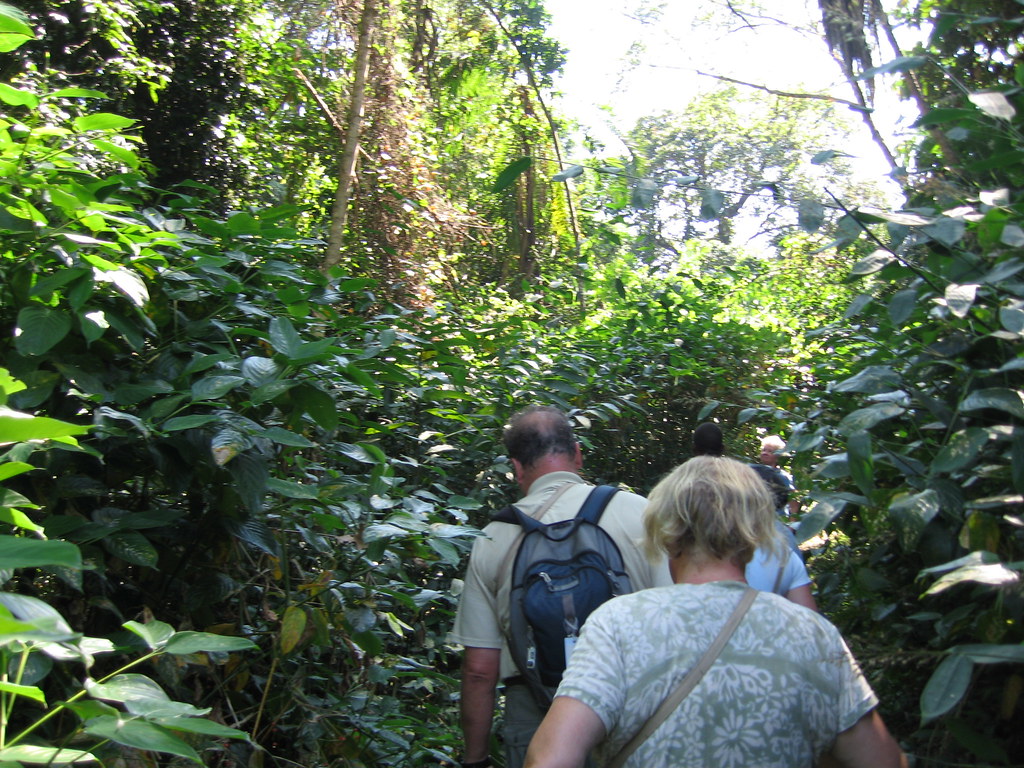
Preparation remains essential even on budget packages. Trekking gorillas requires:
-
Comfortable trekking shoes
-
Lightweight rain gear
-
Insect repellent
-
Water and snacks for the trek
-
Basic first‑aid kit
Because permits do not change seasonally and lodges often provide porter services at modest additional cost, travelers should budget for porter support even on budget safaris. Porters help carry gear, reduce physical strain, and support local livelihoods.
Conservation Impact and Responsible Travel
A budget gorilla trekking safari in Bwindi still contributes meaningfully to conservation. Gorilla trekking permits directly fund ranger patrols, anti‑poaching activities, community revenue sharing, and habitat protection. Selecting lodges that invest in community initiatives and conservation ensures that even low‑cost travel benefits the ecosystems and cultures that make Bwindi extraordinary.
Tips to Maximize Value
-
Book permits well in advance: Standard permits are limited; early booking avoids premium sudden markups.
-
Combine trekking with self‑guided experiences: Forest walks, birdwatching, or cultural visits deliver high value at lower cost.
-
Travel during shoulder seasons: Lower demand often brings flexible pricing without compromising wildlife viewing.
-
Choose lodges near trekking sectors: Reduces transport time and costs, increasing time in the forest rather than on the road.