How to Capture Stunning Gorilla Photos in Uganda
Photographing mountain gorillas in Uganda is a life-changing experience that combines adventure, patience, technical skill, and ethical responsibility. Unlike photographing wildlife in open savannahs, gorilla photography is challenging due to dense rainforest terrain, variable lighting, unpredictable animal behavior, and strict conservation regulations. Achieving exceptional images requires careful preparation, knowledge of gorilla behavior, precise camera settings, and an awareness of environmental and seasonal conditions. This guide provides a detailed and analytical approach to capturing compelling and meaningful photographs of these iconic primates.
Understanding Gorilla Behavior
Mountain gorillas live in cohesive social groups called troops, typically led by a dominant silverback. Each member of the troop has distinct behaviors that can be captured to tell a story. Observing gorilla behavior is essential before attempting to take photographs. Key behaviors to focus on include:
-
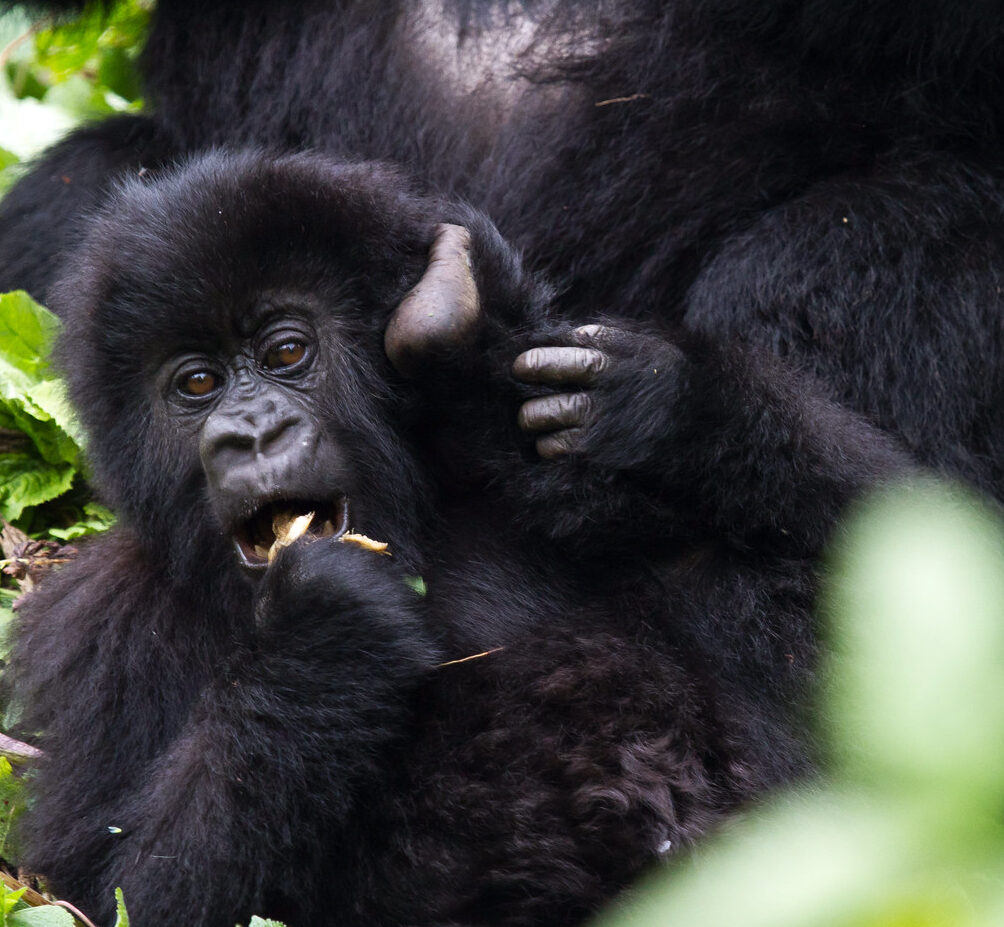
Maternal Care and Infant Bonding: Mothers groom, feed, or carry their young, providing highly emotive photographic moments. Close-ups of infants interacting with family members highlight vulnerability and tenderness.
-
Social Play: Juveniles engage in playful fights, climbing, and chasing each other, offering dynamic action shots that reveal personality and energy.
-
Silverback Dominance: The dominant male displays power through chest-beating, vocalizations, or posture, providing dramatic subject matter.
-
Foraging and Feeding: Capturing gorillas eating or foraging contextualizes them in their natural environment and shows their connection to the forest ecosystem.
-
Resting and Contemplation: Calm, still moments allow for intimate portraits that capture facial expressions and unique physical features.
Understanding these behavioral cues allows photographers to anticipate moments, improving timing and increasing the chance of capturing decisive images.
Selecting the Optimal Trekking Sector
Uganda’s gorilla trekking areas vary in terrain, light conditions, and crowd density, all of which affect photographic outcomes:
-
Buhoma Sector: Easy-to-moderate trails, suitable for first-time photographers and families. The habituated gorilla families here provide consistent photographic opportunities with manageable trekking.
-
Rushaga Sector: Known for scenic ridges and high gorilla density, it allows for diverse shots, including environmental portraits that include valley and forest backdrops.
-
Ruhija Sector: Highland climate with misty mornings creates a unique atmosphere. Trails are moderately challenging but provide opportunities for moody, ethereal images.
-
Nkuringo Sector: Remote and less crowded, offering private experiences and dramatic forest vistas for unobstructed shots, ideal for advanced photographers.
-
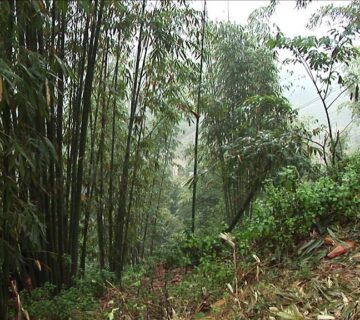
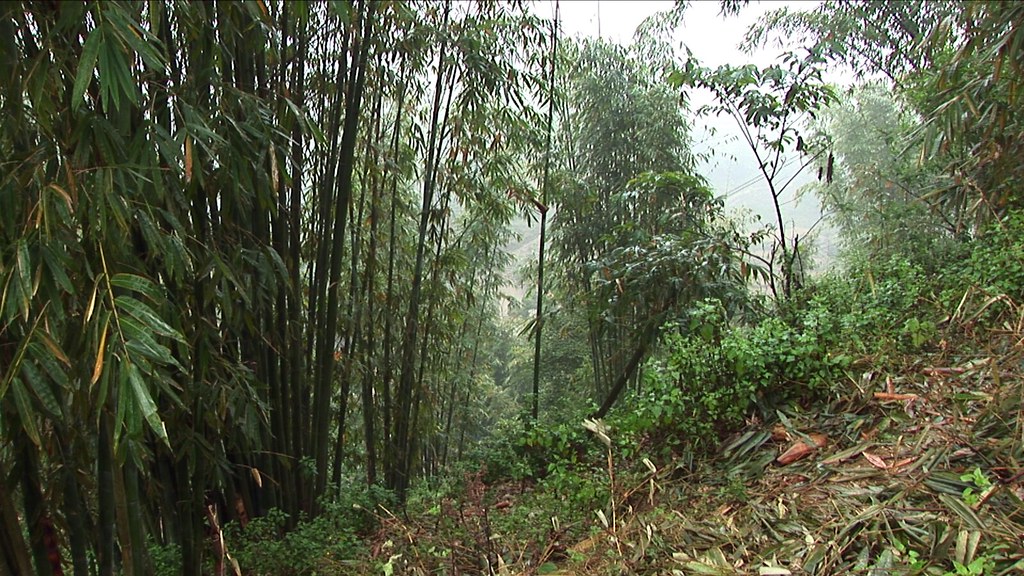
Mgahinga National Park: Bamboo forests and volcanic peaks provide a distinctive environmental context, adding visual storytelling layers to gorilla portraits.
Choosing a sector depends on fitness, desired background landscapes, and photography goals.
Camera Gear and Technical Considerations
Gorilla photography requires specialized equipment and settings due to low light and forest density:
-
Cameras: Full-frame DSLRs or mirrorless cameras with fast autofocus and high ISO performance are recommended.
-
Lenses: Telephoto lenses (200–400mm) capture details without approaching too closely; wide-angle lenses (24–35mm) include environmental context.
-
Camera Settings: Use ISO 800–3200 depending on lighting, apertures f/2.8–f/5.6 for depth of field, and shutter speeds of at least 1/250s to freeze motion. Adjust shutter speed higher for active juveniles.
-
Accessories: Monopods stabilize shots without crowding the area; extra batteries and memory cards ensure uninterrupted shooting; rain covers protect gear from humid, wet conditions.
Strategic gear choices ensure high-quality images despite challenging conditions.
Ethical Photography Practices
Conservation and ethics are paramount in gorilla photography:
-
Maintain a minimum distance of seven meters.
-
Avoid direct eye contact, which can be perceived as threatening.
-
Do not use flash; natural lighting is preferred.
-
Move slowly and quietly to avoid disturbing the gorillas.
-
Always follow ranger instructions; the safety of gorillas is the top priority.
Ethical compliance ensures safe, sustainable encounters and preserves the habituation of gorilla families.
Composition and Lighting
Composition transforms gorilla photography from documentation to storytelling:
-
Environmental Context: Include elements like trees, bamboo, mist, or volcanic ridges to situate gorillas in their habitat.
-
Rule of Thirds: Place subjects strategically for visual balance.
-
Perspective: Low angles accentuate gorilla size and power; eye-level shots create intimacy.
-
Behavioral Focus: Capture social interactions or dramatic gestures for narrative depth.
-
Lighting Analysis: Early morning or late afternoon provides soft, diffused light; overcast days reduce shadows and provide uniform lighting.
Analytical consideration of composition, angles, and light ensures images are visually and emotionally compelling.
Seasonal Considerations
Seasons significantly influence photography conditions:
-
Dry Seasons (June–September, December–February): Trails are firm, lighting is consistent, and access is easier. Best for clear, sharp images and for families or beginners.
-
Wet Seasons (March–May, October–November): Rainfall creates lush landscapes and misty atmospheres, adding dramatic, moody backgrounds. Trails are slippery, and lighting may be subdued, requiring higher ISO and stabilization.
Understanding seasonal conditions allows photographers to plan for desired effects and safety considerations.
Post-Trek Image Management
After the trek, careful management ensures the longevity and quality of images:
-
Immediately backup all images to prevent data loss.
-
Review photos for composition, storytelling, and behavior capture.
-
Post-process carefully, adjusting exposure, contrast, and color balance while preserving natural appearance.
-
Avoid sharing geotagged images to protect gorilla habitats and prevent interference with conservation efforts.
A structured post-trek workflow ensures images retain their impact while respecting ethical and conservation guidelines.
Capturing stunning gorilla photos in Uganda is a combination of technical skill, behavioral understanding, ethical awareness, and compositional strategy. By studying gorilla behavior, selecting trekking sectors intelligently, preparing appropriate gear, and adapting to environmental and seasonal conditions, photographers can create extraordinary images that document the lives of mountain gorillas while supporting their conservation. This detailed, analytical approach ensures a meaningful, safe, and unforgettable photography experience in one of the most breathtaking rainforest habitats in the world.