Family Gorilla Trekking Safari Itineraries
Gorilla trekking in Uganda offers families a once-in-a-lifetime wildlife adventure, allowing children and adults to witness endangered mountain gorillas in their natural rainforest habitat. Designing family-friendly itineraries requires careful planning to balance adventure, comfort, safety, and educational experiences. Fully detailed itineraries combine trekking with cultural, ecological, and leisure activities, ensuring an enriching journey for all ages.
Why Choose a Family Gorilla Trekking Safari
Family gorilla trekking experiences are unique because they offer an immersive connection to wildlife while promoting learning about conservation and local cultures. Families benefit from:
-
Personalized pacing: Trek duration and sector selection are adapted to children’s energy and abilities.
-
Educational engagement: Children learn about gorilla behavior, forest ecology, and conservation initiatives.
-
Safety and comfort: Trained guides and family-friendly lodges ensure secure, comfortable stays.
-
Multi-dimensional experience: Combines wildlife, culture, nature walks, and leisure.
A thoughtfully crafted itinerary guarantees that both adults and children enjoy the adventure without being overexerted or overwhelmed.
Sample 5-Day Family Gorilla Trekking Itinerary
Day 1: Arrival and Orientation
Families arrive at Entebbe International Airport and are transferred to a lodge near Bwindi or Mgahinga. The afternoon includes orientation, discussing gorilla trekking safety, forest etiquette, and park rules. Lodges provide educational sessions for children about gorillas and local culture. Evening activities might include storytelling, interactive games, or cultural demonstrations to introduce children to Ugandan heritage.
Day 2: First Gorilla Trek in Bwindi
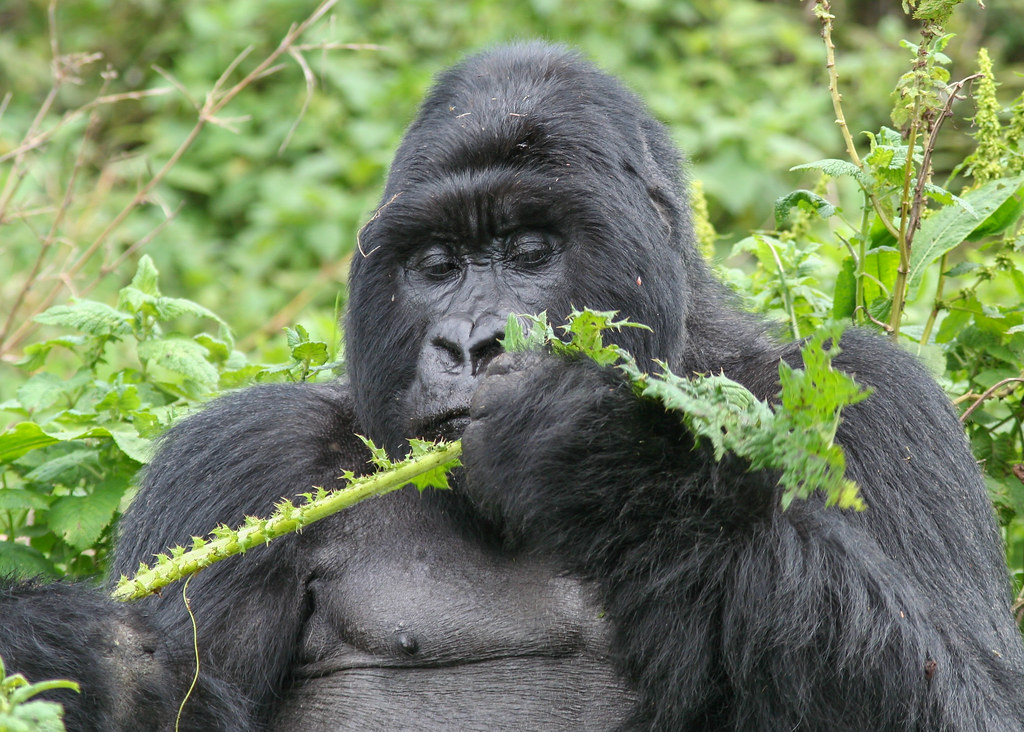
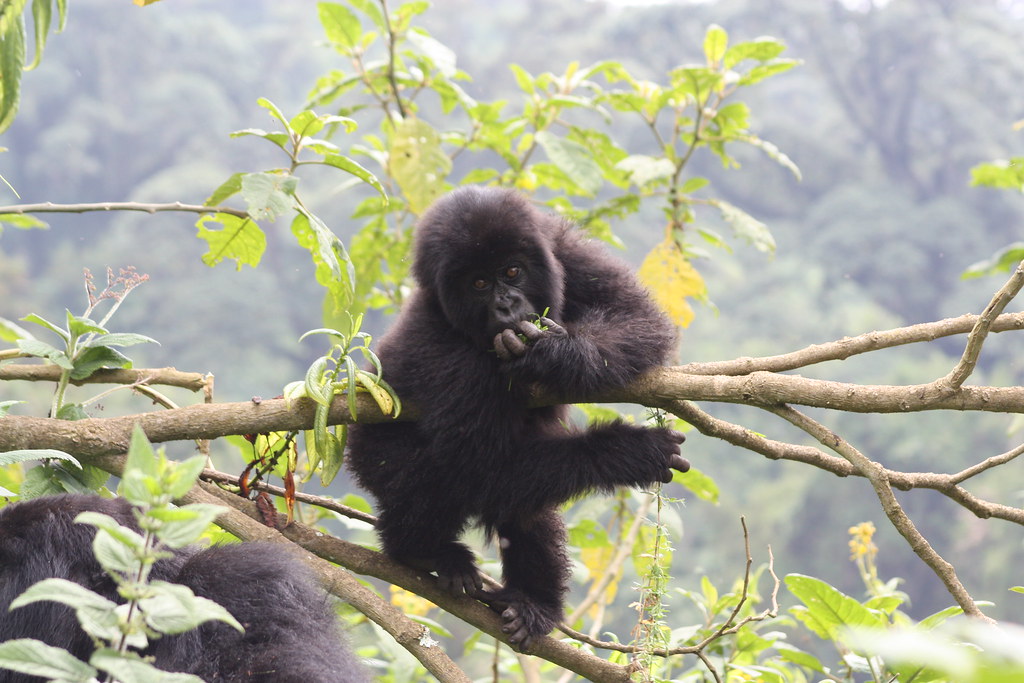
After an early breakfast, the family is transferred to the trekking sector. Guides tailor the hike to suit children, maintaining a manageable pace. The trek through dense rainforest and along scenic trails culminates in a one-hour encounter with a habituated gorilla family. Rangers supervise to ensure safety and adherence to conservation rules. Families enjoy a packed picnic lunch amidst forest scenery before returning to the lodge for rest. The evening may feature guided walks around the lodge to observe birds, smaller primates, and forest flora.
Day 3: Cultural and Community Engagement
Families participate in structured cultural experiences with local communities, including Batwa village visits, traditional dance demonstrations, storytelling, and craft-making. Children learn about local traditions, forest conservation practices, and how communities coexist with gorillas. Afternoon options may include a gentle nature walk, birdwatching, or a visit to a nearby viewpoint to enjoy panoramic forest scenery.
Day 4: Optional Second Gorilla Trek or Additional Activities
Depending on family interest, a second gorilla trek may be arranged in a different sector such as Rushaga or Nkuringo to observe a new gorilla family. Alternative activities include golden monkey tracking in Mgahinga, guided forest walks, or relaxation at scenic locations like Lake Bunyonyi. Families enjoy structured leisure time, ensuring children are not fatigued while adults engage in photography or wildlife observation.
Day 5: Departure or Extended Safari
After breakfast, families can transfer back to Entebbe or continue their safari to other destinations such as Queen Elizabeth National Park for savannah wildlife, Kibale Forest for chimpanzee trekking, or Lake Bunyonyi for relaxation and water-based activities. Departure schedules are coordinated with international flights, ensuring a smooth end to the family safari.
Trekking Sectors and Family Suitability
Different trekking sectors in Bwindi and Mgahinga vary in difficulty and scenery, influencing family itineraries:
-
Buhoma Sector: Most accessible, with well-maintained trails, ideal for families with young children or first-time trekkers.
-
Ruhija Sector: Higher altitude, cooler climate, moderately challenging trails, suitable for families with older children.
-
Rushaga Sector: Offers scenic, moderately challenging trails and high gorilla density, providing multiple trekking options.
-
Nkuringo Sector: Remote and less crowded, offering privacy and exclusivity, but physically demanding; best for families with older children and experienced hikers.
Selecting the right sector ensures safety, enjoyment, and suitability for family members of all ages.
Family-Friendly Accommodation Options
Family lodges near gorilla trekking sectors provide amenities designed to accommodate children and adults:
-
Spacious family rooms and interconnecting suites for privacy and comfort.
-
Child-focused services including early breakfasts, packed lunches, and kid-friendly menus.
-
Leisure facilities such as swimming pools, outdoor play areas, and gardens.
-
Educational engagement through lodge-led conservation talks, storytelling, and interactive activities.
-
Proximity to trekking sectors to minimize early morning travel and maximize rest.
Accommodations often emphasize sustainability, supporting local communities and contributing to gorilla conservation efforts.
Best Time for Family Gorilla Trekking Safaris
Dry seasons, June to September and December to February, are ideal for family safaris due to firmer trails, more predictable weather, and easier logistics. Wet seasons, March to May and October to November, provide lush scenery and fewer crowds, but families should be prepared for muddy trails and flexible scheduling. Lodges often offer lower rates during wet months, making it suitable for budget-conscious families willing to navigate more challenging terrain.
Health and Safety Considerations for Families
-
Children under 15 are generally not permitted to trek; alternative guided forest walks are available for younger children.
-
Vaccinations, malaria prophylaxis, and routine health checks should be up to date for all family members.
-
Porters can assist with children’s backpacks and navigating difficult terrain.
-
Guides maintain constant supervision and ensure adherence to park rules.
-
Families should carry adequate water, snacks, and essential first-aid supplies during treks.
Enhancing the Family Experience
Family-oriented itineraries can include a variety of complementary activities:
-
Guided nature walks to observe small primates, birds, butterflies, and plant species.
-
Cultural immersion through village visits, craft workshops, and storytelling sessions.
-
Photography sessions with ranger guidance to capture wildlife and scenic landscapes.
-
Leisure time for swimming, boat rides, or scenic viewpoints to balance trekking intensity.
These activities ensure the safari is enjoyable, educational, and engaging for all age groups.