Gorilla Trekking Packages That Blend Wildlife and Culture
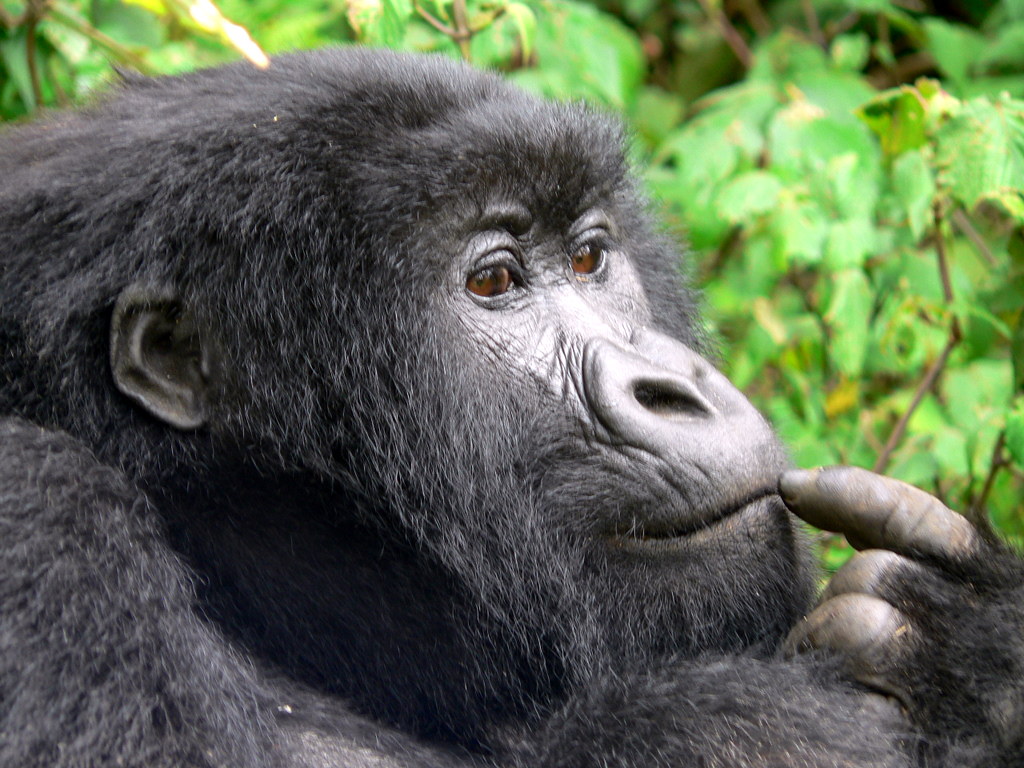
Gorilla trekking packages combining wildlife and culture are designed for travelers who want more than a single primate encounter. These safaris integrate mountain gorilla trekking with meaningful cultural experiences, allowing visitors to engage with Uganda’s diverse communities while exploring its most iconic wildlife habitats. This approach creates a balanced journey that connects nature, people, and conservation, offering a deeper understanding of the landscapes where gorillas live and the communities that coexist alongside them.
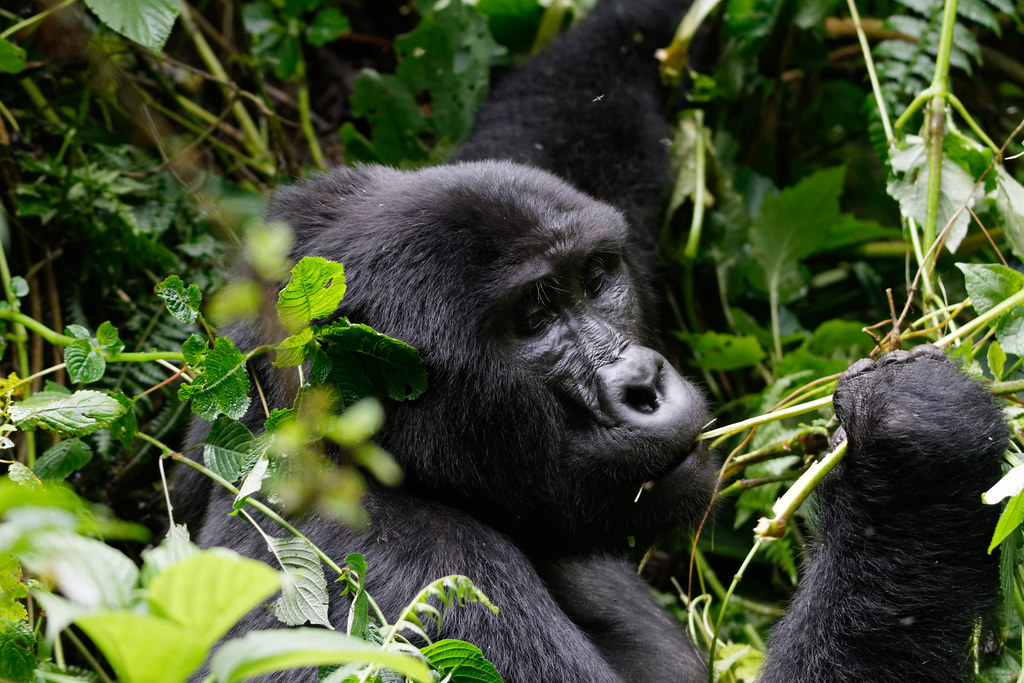
Uganda is particularly well suited for this type of safari because of its rich ethnic diversity, strong community tourism initiatives, and well-established conservation programs. Gorilla trekking in Bwindi Impenetrable Forest or Mgahinga National Park becomes the centerpiece of a broader experience that includes cultural immersion, storytelling, and traditional knowledge.
Why Combine Gorilla Trekking With Cultural Experiences
Combining wildlife and culture enhances the safari experience by adding context and human connection. While gorilla trekking provides an emotional and awe-inspiring encounter with endangered primates, cultural experiences reveal how local communities have historically lived with and protected these forests. Travelers gain insight into traditions, livelihoods, and conservation partnerships that support gorilla survival.
This combination also creates a more relaxed and varied itinerary. Cultural visits typically involve walking tours, performances, craft demonstrations, or interactive storytelling, offering a gentler pace that balances the physical demands of gorilla trekking. For families, photographers, and travelers seeking educational depth, wildlife-and-culture packages provide exceptional value.
Gorilla Trekking Destinations Best Suited for Cultural Safaris
Bwindi Impenetrable Forest National Park is the primary destination for combined wildlife and cultural packages. Surrounding Bwindi are numerous communities that actively participate in tourism, offering authentic cultural encounters that complement gorilla trekking. Different trekking sectors such as Buhoma, Rushaga, Ruhija, and Nkuringo each provide access to unique community initiatives and cultural landscapes.
Mgahinga Gorilla National Park is equally significant for cultural experiences, particularly because of its association with the Batwa people, one of the region’s oldest forest-dwelling communities. Mgahinga’s cultural trails offer structured and educational interactions that highlight traditional forest life, medicinal plant use, hunting techniques, and spiritual practices.
Cultural Experiences Commonly Included in Gorilla Trekking Packages
Cultural components of these safari packages are thoughtfully designed to be respectful, educational, and beneficial to local communities. Visitors may participate in guided village walks that introduce traditional farming methods, food preparation, and local governance structures. These experiences provide insight into daily life and the challenges faced by rural communities living near protected areas.
One of the most significant cultural experiences is interaction with the Batwa community. The Batwa were historically forest dwellers who relied on the rainforest for food, medicine, and shelter. Cultural encounters focus on storytelling, music, dance, and demonstrations of traditional survival skills, offering travelers a deeper understanding of forest-based cultures and the importance of inclusive conservation.
Artisan workshops and craft markets are also commonly included, allowing visitors to observe traditional weaving, carving, and pottery. These activities support local livelihoods and give travelers an opportunity to contribute directly to community development.
Sample Structure of Wildlife and Culture Gorilla Trekking Packages
A typical combined wildlife and culture safari spans four to seven days. Early days are often dedicated to travel and acclimatization, followed by a gorilla trekking day in Bwindi or Mgahinga. Subsequent days incorporate cultural experiences such as community visits, cultural performances, guided walks, and conservation education sessions.
Longer itineraries may include additional wildlife activities such as chimpanzee trekking in Kibale Forest or a savannah safari in Queen Elizabeth National Park. This layered approach ensures a diverse experience that highlights Uganda’s ecological and cultural richness.
Best Time to Book Gorilla Trekking and Cultural Safaris
These combined packages are available throughout the year, but timing influences comfort and accessibility. The dry seasons, from June to September and December to February, offer easier travel conditions and better accessibility to remote communities. These months are ideal for travelers seeking smoother logistics and predictable weather.
The wetter seasons, from March to May and October to November, provide lush scenery and fewer visitors. Cultural activities remain highly engaging during these periods, and travelers benefit from quieter villages and a more personal experience. Adequate rain gear and flexible schedules are important when traveling during these months.
Accommodation Choices That Support Cultural Integration
Accommodation plays an important role in wildlife and culture packages. Many lodges near gorilla parks are community-owned or actively support local development initiatives. Staying at these properties enhances the cultural dimension of the safari by creating direct economic benefits for surrounding villages.
Eco-lodges and community-based lodges often incorporate cultural storytelling, local cuisine, and traditional design elements. Guests may enjoy meals prepared with local ingredients, guided discussions with community leaders, or evening cultural performances that enrich the overall experience.
Conservation and Community Impact
Gorilla trekking packages that combine wildlife and culture contribute significantly to conservation and community resilience. Permit fees support gorilla protection and park management, while cultural tourism generates income for local communities, reducing reliance on forest resources. This integrated model strengthens conservation outcomes by aligning wildlife protection with human well-being.
Travelers become active participants in conservation by choosing experiences that value cultural heritage and support sustainable livelihoods. These interactions foster mutual understanding and long-term support for conservation initiatives.
Who These Packages Are Ideal For
Wildlife and culture gorilla trekking packages are well suited for travelers seeking meaningful engagement rather than fast-paced sightseeing. They appeal to families, educators, photographers, conservation-minded travelers, and anyone interested in understanding the relationship between people and nature.
These packages are also ideal for repeat safari travelers who want to go beyond traditional wildlife viewing and explore the cultural dimensions of Africa’s conservation landscapes.