Multi-Day Gorilla Trekking Safaris in Bwindi
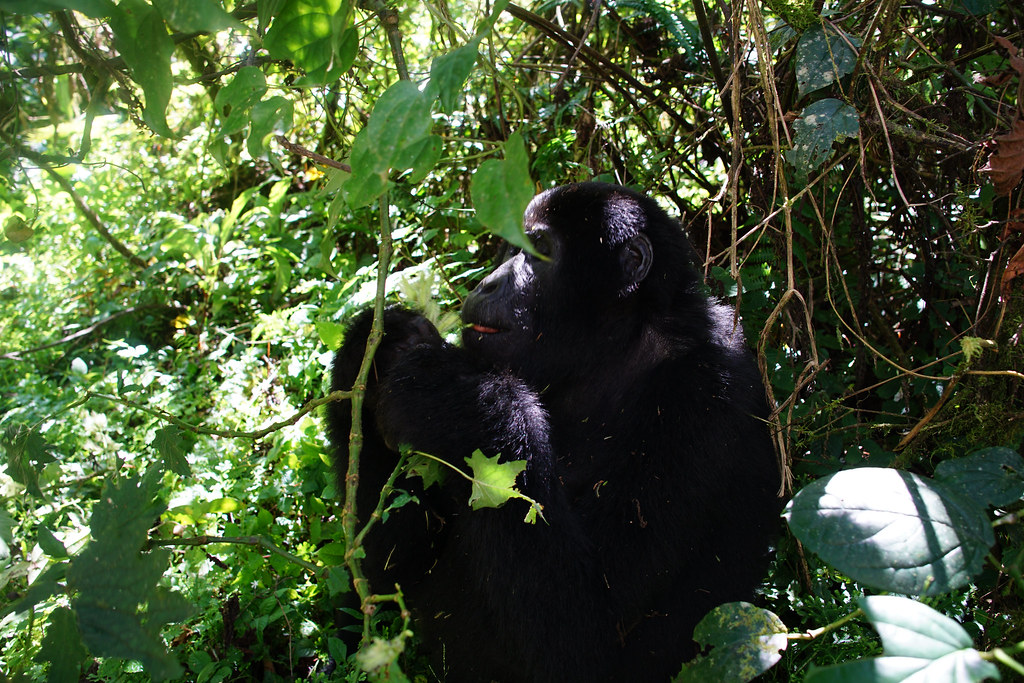
Multi-day gorilla trekking safaris in Bwindi Impenetrable Forest are designed for travelers who want a deeper, more immersive experience beyond a single gorilla encounter. Bwindi is a vast and biologically rich rainforest, home to nearly half of the world’s remaining mountain gorillas, and its size, terrain, and diversity make it ideal for extended stays. A multi-day safari allows visitors to explore different trekking sectors, experience more than one gorilla family, and enjoy the forest environment at a relaxed, unhurried pace.
Unlike short fly-in or single-trek itineraries, multi-day safaris emphasize immersion. Travelers gain a stronger understanding of gorilla behavior, conservation efforts, forest ecology, and local culture while minimizing travel fatigue and maximizing time spent in and around the park.
Why Choose a Multi-Day Gorilla Safari in Bwindi
A multi-day gorilla trekking safari offers flexibility and depth that short itineraries cannot provide. Spending several nights in Bwindi allows travelers to acclimatize to the altitude and terrain, recover fully between treks, and enjoy additional activities such as guided nature walks, birdwatching, cultural visits, and scenic viewpoints.
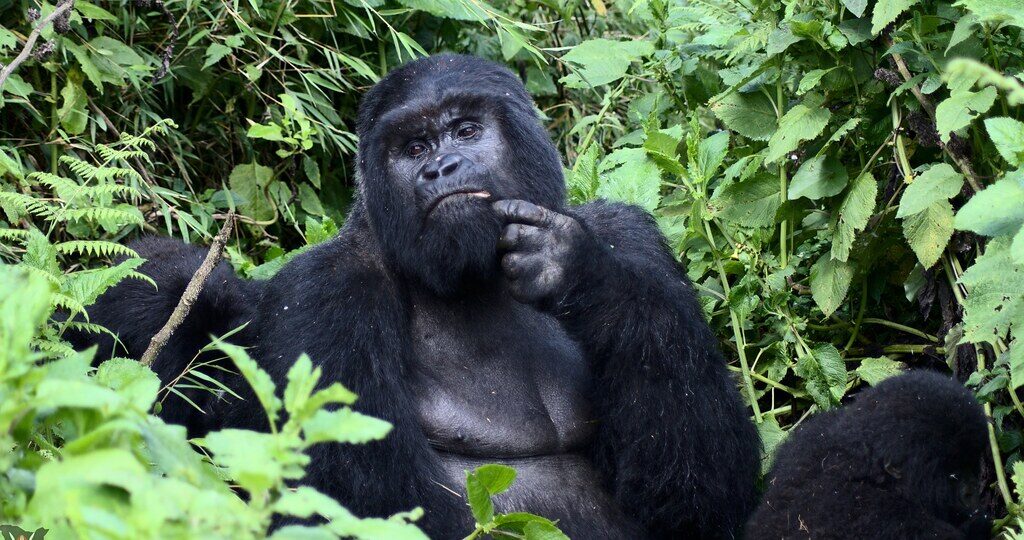
Extended stays also increase the likelihood of varied gorilla encounters. Each trek is different, as gorilla families move daily, interact differently, and inhabit distinct parts of the forest. Multi-day safaris create opportunities to observe contrasting behaviors, family structures, and environments, which is particularly valuable for photographers, researchers, and repeat visitors.
Typical Structure of Multi-Day Gorilla Trekking Safaris
Multi-day gorilla trekking safaris in Bwindi typically range from three to seven days, depending on the number of treks and additional activities included. A three-day safari usually focuses on arrival, one gorilla trek, and departure, offering a focused yet comfortable experience. Four- to five-day safaris allow for one or two gorilla treks combined with cultural and forest activities, while longer safaris may include multiple treks across different sectors or integration with other national parks.
These itineraries are carefully planned to balance physical exertion with rest. Gorilla trekking is demanding, and spacing treks across different days ensures travelers remain energized and fully present for each encounter.
Exploring Bwindi’s Gorilla Trekking Sectors Over Multiple Days
Bwindi Impenetrable Forest is divided into several trekking sectors, each offering unique terrain, scenery, and gorilla families. Multi-day safaris make it possible to explore more than one sector, enriching the overall experience.
The Buhoma sector is known for its historical significance as the first gorilla trekking area in Uganda and offers relatively accessible trails and strong community engagement. Ruhija provides cooler temperatures, scenic ridgelines, and excellent birdlife, while Rushaga and Nkuringo are famous for their higher concentration of gorilla families and opportunities for multiple treks or gorilla habituation experiences. Traveling between sectors over several days reveals the remarkable diversity of Bwindi’s landscape and wildlife.
Gorilla Trekking Permits for Multi-Day Safaris
Each gorilla trek requires a separate permit issued by the Uganda Wildlife Authority. Multi-day safaris involving more than one trek require multiple permits, which must be secured in advance. Availability varies by season and sector, making early planning essential, particularly for travelers seeking consecutive trekking days or specific gorilla families.
Experienced tour operators play a critical role in coordinating permits across different dates and sectors, ensuring smooth transitions and minimizing unnecessary transfers. This coordination is one of the key advantages of booking a professionally organized multi-day safari.
Accommodation Choices for Extended Stays in Bwindi
Accommodation is a central element of multi-day gorilla trekking safaris. Bwindi offers a wide range of lodges, from luxury forest retreats to comfortable mid-range lodges and eco-friendly camps. For longer stays, comfort, location, and atmosphere become especially important.
Staying close to trekking start points reduces early morning travel and allows guests to enjoy relaxed evenings surrounded by forest sounds and scenery. Many lodges offer fireplaces, panoramic decks, wellness services, and knowledgeable staff who enhance the overall safari experience by sharing insights about the forest and its wildlife.
Best Time for Multi-Day Gorilla Trekking Safaris
Multi-day gorilla safaris are available year-round, but seasonality influences comfort and logistics. The drier months, typically from June to September and December to February, offer easier trekking conditions and more predictable schedules. These periods are ideal for travelers planning multiple treks, as reduced rainfall minimizes trail difficulty and recovery time between days.
The wetter months, from March to May and October to November, provide lush landscapes, fewer visitors, and a quieter forest atmosphere. While trails can be more challenging, extended stays during these months allow travelers to adapt to conditions and enjoy Bwindi’s dramatic beauty at a slower pace.
Physical Preparation and Pacing on Multi-Day Safaris
Multi-day gorilla trekking requires thoughtful physical preparation. While no extreme fitness is required, travelers should be comfortable walking for several hours on uneven, sometimes steep terrain. Extended safaris benefit from proper pacing, hydration, and rest days between treks when possible.
Hiring local porters is highly recommended, especially on multi-day itineraries. Porters assist with carrying daypacks and navigating difficult sections of trail, improving comfort while directly supporting local communities.
Enhancing Multi-Day Safaris with Additional Experiences
One of the major advantages of multi-day gorilla trekking safaris in Bwindi is the opportunity to include complementary experiences. Guided forest walks reveal smaller primates, butterflies, and medicinal plants, while birdwatching excursions highlight Bwindi’s status as one of Africa’s top birding destinations. Cultural encounters with local communities provide insight into traditional forest life and conservation partnerships.
Some multi-day itineraries also combine Bwindi with other Ugandan destinations, such as Queen Elizabeth National Park for savannah wildlife or Lake Bunyonyi for relaxation, creating a balanced and comprehensive safari journey.
Conservation Impact of Extended Gorilla Safaris
Multi-day gorilla trekking safaris contribute significantly to conservation and community development. Each permit supports gorilla protection, ranger patrols, veterinary care, and local livelihoods. Longer stays increase economic benefits for surrounding communities through accommodation, guiding services, and cultural tourism, reinforcing the value of protecting Bwindi’s fragile ecosystem.
Travelers on extended safaris often gain a deeper appreciation for conservation challenges and successes, transforming the experience into both a personal and educational journey.