Gorilla Trekking in Mgahinga National Park
Gorilla trekking in Mgahinga National Park offers a unique and intimate wildlife experience in one of Uganda’s smallest—but ecologically rich—protected areas. Located in the southwestern corner of Uganda along the Virunga Mountain range, Mgahinga shares its forested slopes with neighboring volcanoes and dramatic landscapes. While smaller in size compared to Bwindi Impenetrable Forest, Mgahinga provides an equally rewarding mountain gorilla trekking experience with fewer crowds, scenic hiking terrain, and the opportunity to combine gorilla encounters with golden monkey tracking and visits to local communities.
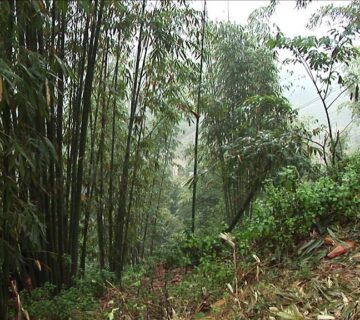
Mgahinga’s name, which means “a place of mountain slopes” in the local Kinyarwanda language, reflects its rugged topography. The park’s montane and bamboo forests are ideal habitat for mountain gorillas, whose presence makes it a must-visit destination for wildlife travelers seeking both solace and spectacle.
Why Choose Mgahinga for Gorilla Trekking
Mgahinga National Park is an excellent alternative or complement to Bwindi Impenetrable Forest for travelers who want a less crowded gorilla trekking experience. The park’s gorilla trekking culture emphasizes conservation, cultural engagement, and high-quality guiding. With fewer habituated gorilla families, Mgahinga’s trekking groups are smaller, creating a more personal and serene wildlife encounter.
Unlike larger national parks where permits and crowds can sometimes feel busy, Mgahinga offers a quieter rhythm. The experience feels more exploratory, as hikers traverse mist-laden trails and volcanic slopes in pursuit of gorilla families moving through the forest.
The Gorilla Trekking Experience in Mgahinga
Gorilla trekking in Mgahinga begins with an early morning briefing at the park headquarters, where rangers provide safety guidelines, wildlife etiquette, and detailed instructions for the day’s trek. Each trekking group is led by highly trained Uganda Wildlife Authority (UWA) guides and trackers who are adept at anticipating gorilla movements and adjusting the route as necessary.
Trekking durations vary depending on the gorillas’ location on the day of the visit. Some days involve relatively short walks through bamboo forest and montane slopes, while other days may require more strenuous hiking with altitude gains that reward trekkers with sweeping views of the park’s volcanic landscape. Regardless of duration, the reward is an unforgettable encounter with a mountain gorilla family in its natural habitat.
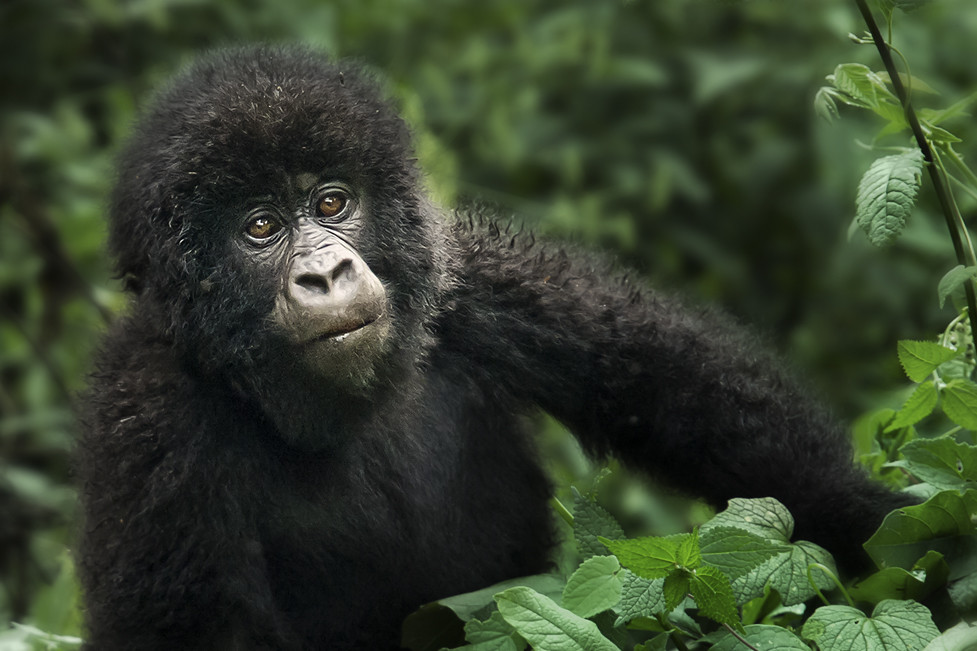
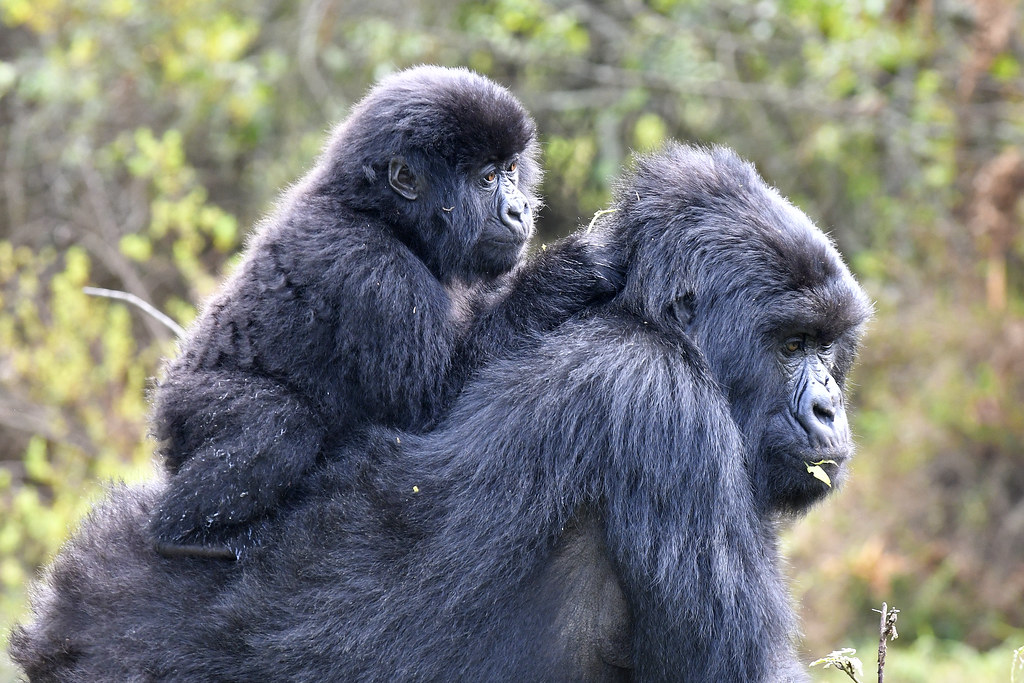
Once the gorilla family is located, visitors are granted one hour to observe, photograph, and absorb the gorillas’ dynamic social interactions. Watching silverbacks assert their presence, females nurture their young, and juveniles play is a profound and moving experience that remains with many travelers for a lifetime.
Best Time to Visit Mgahinga for Gorilla Trekking
Gorilla trekking in Mgahinga is available year-round, but certain seasons provide more favorable trekking conditions. The dry months—typically from June to September and December to February—offer firmer, less muddy trails and more comfortable hiking conditions. These periods are generally considered the best times to plan a gorilla trekking safari.
The wetter months—usually March to May and October to November—bring lush greenery, vibrant forest colors, and fewer visitors, which some travelers find especially beautiful. However, trails can become muddy and more challenging, increasing the physical effort required for trekking.
Because Mgahinga’s terrain includes steep volcanic slopes and bamboo thickets, proper hiking gear, including sturdy boots and waterproof jackets, is recommended regardless of the season.
Gorilla Trekking Permits and Booking Process
Gorilla trekking permits are required for all visitors and are issued by the Uganda Wildlife Authority (UWA). Permits are limited in number each day to protect gorillas and manage human impact. Securing permits well in advance—particularly for peak travel seasons—is crucial, as demand often exceeds daily quotas.
Permits are typically included as part of a guided safari package arranged through a licensed tour operator. Working with an experienced operator simplifies the booking process and ensures compliance with park regulations, transportation logistics, and accommodation arrangements.
Accommodation Options Around Mgahinga
While Mgahinga is smaller and less developed than Bwindi, it still offers an appealing range of accommodation options that cater to various traveler preferences, from luxury eco-lodges to comfortable mid-range camps. Many properties are designed to complement the natural setting, with features such as panoramic views of the Virunga volcanoes, private verandas, open-air dining, and attentive service.
Staying close to the park headquarters reduces early morning travel time, allowing trekkers to begin the day refreshed and prepared for the forest experience.
Combining Gorilla Trekking with Other Activities
A gorilla trekking safari in Mgahinga can be enriched with additional activities within and around the Virunga region. Popular experiences include:
Golden Monkey Tracking:
Mgahinga offers golden monkey tracking alongside gorilla trekking. Golden monkeys are striking primates with bright golden-orange fur that inhabit the bamboo forests. This tracking experience is less physically demanding and provides excellent photographic opportunities.
Cultural Encounters with Local Communities:
Visits to nearby villages offer cultural insights into the traditions, crafts, and daily lives of local people, adding depth and context to the wildlife experience.
Hiking and Volcanic Scenery:
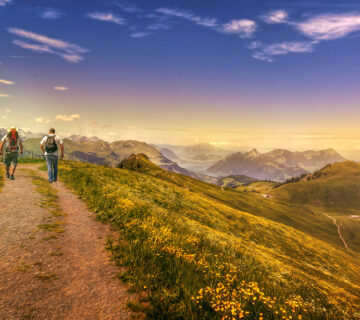
Mgahinga’s volcanic slopes and ridgelines provide exceptional hiking routes with breathtaking views of Virunga volcanoes and the surrounding landscape. These trails allow travelers to enjoy dramatic scenery beyond primate encounters.
Practical Tips for Gorilla Trekking in Mgahinga
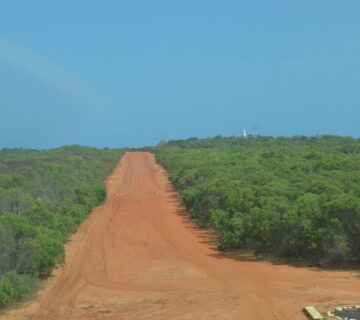
Preparing for a gorilla trekking adventure in Mgahinga requires thoughtful logistics and physical readiness. Gateways to the park are accessed via road transfers from major hubs like Kigali (Rwanda) or Kampala/Entebbe (Uganda), with travel times influenced by terrain and border crossing procedures. For greater comfort, many travelers arrange private or charter flights to nearby airstrips followed by short transfers to the park.
Packing essentials includes sturdy hiking boots, moisture-wicking clothing, waterproof outer layers, insect repellent, a reusable water bottle, and high-energy snacks for the trek. Trekking poles can offer additional stability on uneven ground.
Health recommendations include up-to-date vaccinations, travel insurance with medical evacuation coverage, and strict adherence to gorilla trekking health guidelines, which include staying at least seven meters (about 23 feet) from gorillas to minimize disease transmission.
Conservation and Visitor Responsibility
Mgahinga National Park’s gorilla trekking program is grounded in conservation ethics. Revenue from permits directly supports gorilla protection, ranger patrols, and community development programs. Visitors play a role in sustaining this model by following park guidelines, respecting wildlife, and contributing to local economic benefits through responsible tourism.