Big Five Safari in Akagera National Park
A Big Five safari in Akagera National Park represents one of Rwanda’s most important conservation achievements. Once devastated by poaching and human encroachment, Akagera has been carefully restored into a fully functioning savannah ecosystem where lions, leopards, elephants, buffaloes, and rhinoceros now roam freely again. Seeing the Big Five here is not about vast herds or dramatic migrations. It is about witnessing recovery, balance, and the results of long-term protection.
For travelers, Akagera offers a calm, uncrowded Big Five experience shaped by strong management and ethical tourism. Each sighting carries meaning because it reflects years of conservation effort rather than historical abundance.
What “Big Five” Means in Akagera’s Context
The term Big Five originally described the five most dangerous animals to hunt on foot. In modern safari travel, it represents iconic wildlife species that define classic African safaris. In Akagera, the Big Five concept takes on a deeper conservation meaning.
Every Big Five species in Akagera has either recovered naturally under protection or been carefully reintroduced. Their presence signals that the park’s ecosystem is once again balanced and capable of supporting apex predators and large herbivores.
Lions in Akagera National Park
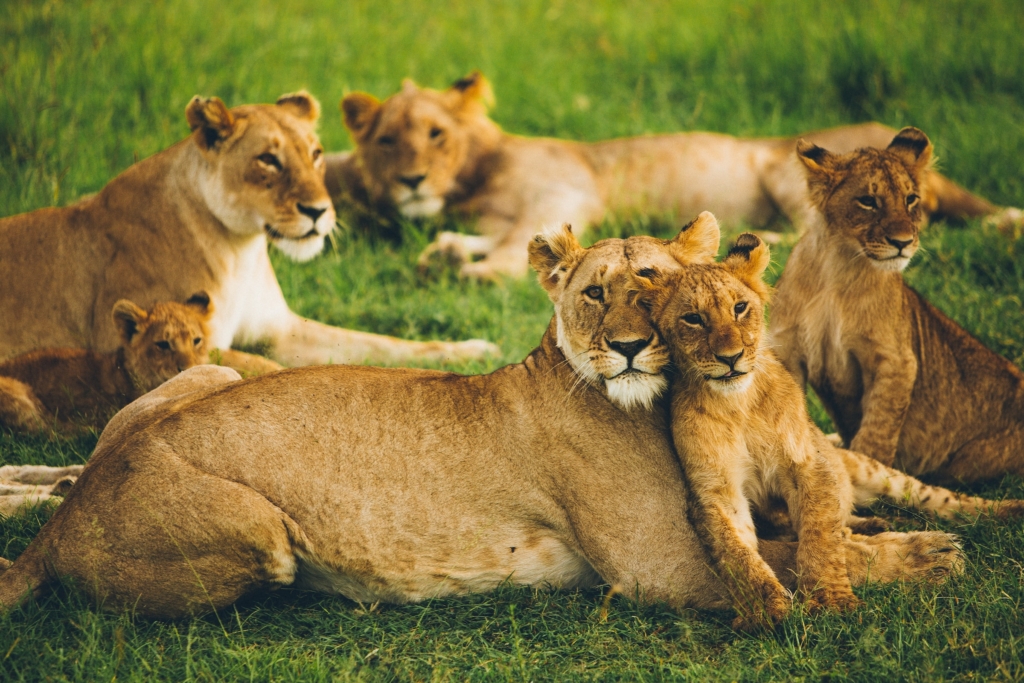
Lions were reintroduced to Akagera after decades of absence. Today, they occupy the park’s northern savannah and woodland areas, where prey populations are strongest. Sightings often occur during early morning or late afternoon game drives.
Akagera’s lions display natural hunting and territorial behavior. Because the park is uncrowded, sightings feel intimate and undisturbed, allowing extended observation rather than rushed encounters.
Leopards in Akagera National Park
Leopards are present throughout Akagera but remain elusive, as expected of the species. They favor wooded areas, rocky outcrops, and riverine habitats where cover is abundant.
Spotting a leopard in Akagera requires patience, timing, and experienced guiding. While sightings are not guaranteed, they are deeply rewarding due to the park’s quiet environment and natural conditions.
Elephants in Akagera National Park
Elephants in Akagera are among the park’s most visible Big Five species. They move across open plains, woodlands, and lakeshores, often seen in family groups.
Their presence plays a critical ecological role, shaping vegetation and opening pathways for other species. Observing elephants against Akagera’s rolling hills and lakes creates classic safari scenes unique to Rwanda.
Buffaloes in Akagera National Park
African buffaloes are widespread in Akagera, forming large herds that move between grazing areas and water sources. They are commonly seen during game drives, especially near wetlands and open plains.
Buffalo behavior reflects the park’s healthy predator-prey dynamics. Their numbers support lion populations and contribute to ecosystem stability.
Rhinoceros in Akagera National Park

Rhinoceroses were the final Big Five species to return to Akagera. Their reintroduction marked a major conservation milestone and completed the park’s Big Five status.
Rhinos are closely monitored and protected, making sightings special rather than routine. Observing rhinos in Akagera symbolizes Rwanda’s commitment to long-term wildlife recovery.
Where to See the Big Five in Akagera
The northern sector of Akagera offers the highest chances of Big Five sightings due to open savannah and predator-friendly habitat. Lions and rhinos are most often encountered here.
Elephants and buffaloes range widely, while leopards favor wooded and riverine zones. Understanding habitat preferences improves the quality of safari planning and expectations.
Best Time of Day for Big Five Safaris
Early morning game drives provide the best chances for predator activity. Lions may still be active, and leopards are more likely to be seen before retreating into cover.
Late afternoon drives often reveal elephants and buffaloes moving toward water sources. Midday drives are less productive for predators but still offer scenic wildlife viewing.
Safari Style and Experience Quality
Big Five safaris in Akagera are vehicle-based and guided. The experience emphasizes patience, interpretation, and conservation awareness rather than rapid sightings.
Low visitor numbers allow quiet observation. Vehicles do not crowd animals, preserving natural behavior and enhancing photographic opportunities.
How Many Game Drives You Need
One game drive may deliver Big Five sightings, but two or three drives significantly improve chances and depth. Akagera rewards time rather than speed.
Staying at least one night inside or near the park allows early and late drives, maximizing opportunities for varied encounters.
Accommodation for Big Five Safaris in Akagera
Staying inside or near Akagera improves Big Five safari success by reducing travel time and allowing optimal game-drive scheduling.
Luxury Accommodation for Big Five Safaris
Magashi Camp is the best luxury base for Big Five viewing in Akagera. Located in the northern sector, it places guests close to lion territories and rhino ranges. Guided game drives and boat safaris are included, creating a seamless safari experience.
Mid-Range Accommodation for Big Five Safaris
Akagera Game Lodge, overlooking Lake Ihema, provides comfortable access to both northern and southern park areas. Its location allows flexible game-drive planning and boat safari inclusion.
Budget Accommodation for Big Five Safaris
Karenge Bush Camp, located inside the park, offers simple yet strategic access to wildlife-rich zones. Its proximity to safari routes makes it ideal for early starts and authentic wilderness immersion.
Best Time of Year for Big Five Safaris
Big Five safaris in Akagera are possible year-round. Drier months concentrate wildlife near water, improving visibility.
Rainy seasons bring lush landscapes and fewer visitors. While vegetation grows taller, the park remains accessible and rewarding for patient observers.
Photography Tips for Big Five Safaris
Early morning and late afternoon light enhances photography. Dust, mist, and soft shadows create atmospheric images.
Patience is key. Waiting for behavior rather than chasing sightings produces stronger photographs and richer experiences.
Family and First-Time Safari Considerations
Akagera is suitable for families with older children and first-time safari travelers. Game drives are less intense and more controlled than in busier safari destinations.
Expectations should focus on quality over quantity. Understanding this enhances satisfaction.
Common Mistakes to Avoid
Expecting Serengeti-scale herds is the most common mistake. Akagera’s value lies in intimacy, conservation success, and diversity rather than sheer numbers.
Rushing through the park limits Big Five chances. Allowing time improves outcomes significantly.
Plan Your Safari
A Big Five safari in Akagera National Park delivers classic African wildlife shaped by Rwanda’s conservation vision. With patient game drives, the right accommodation, and realistic expectations, travelers experience lions, elephants, rhinos, buffaloes, and leopards in a peaceful, uncrowded setting where every sighting tells a story of recovery and protection.