Gishwati–Mukura National Park Travel Guide
Gishwati Mukura National Park guide. Rwanda’s youngest national park and one of its most important conservation frontiers. Unlike established safari destinations built around long-standing tourism, Gishwati–Mukura represents restoration in progress. The park protects two fragmented montane forests—Gishwati and Mukura—that are being reconnected through large-scale reforestation, wildlife monitoring, and community collaboration.
For travelers, Gishwati–Mukura offers a quieter, education-focused experience centered on conservation, birdlife, forest walks, and emerging primate encounters. It is not a destination for spectacle or volume of sightings. Instead, it rewards travelers who want to understand how conservation works on the ground and how degraded landscapes can recover through sustained effort.
Where Gishwati–Mukura National Park Is Located
Gishwati–Mukura National Park lies in northwestern Rwanda, west of the Albertine Rift escarpment and between Lake Kivu and Volcanoes National Park. The park sits across rugged highland terrain, with forest blocks separated by hills, farms, and river valleys.
Its position makes it a natural ecological link between Rwanda’s western forests and the greater Albertine Rift biodiversity zone. This location also places it within reach of other major destinations, allowing it to fit into broader itineraries rather than stand alone.
How to Get to Gishwati–Mukura National Park
Travel from Kigali to Gishwati–Mukura typically takes four to five hours by road, depending on weather and route. The journey passes through rural highlands, tea plantations, and steep escarpments that reveal Rwanda’s dramatic topography.
Most visitors arrive the afternoon before activities. Roads are generally passable year-round, but heavy rain can slow progress. Planning buffer time is essential due to the park’s remote and developing infrastructure.
Park History and Restoration Background
Gishwati–Mukura’s story is inseparable from Rwanda’s environmental history. Decades of deforestation for agriculture and settlement fragmented the original forest, pushing wildlife into isolated pockets.
The park’s creation marked a shift from exploitation to restoration. Large-scale tree planting, erosion control, and wildlife protection programs aim to reconnect forest corridors and stabilize ecosystems. Visiting the park offers rare insight into conservation as an active, evolving process rather than a finished product.
Landscape, Altitude, and Climate
The park sits at high altitude, with cool temperatures and frequent mist. Steep slopes, deep valleys, and regenerating forest characterize the terrain.
Rainfall supports rapid vegetation growth but also makes trails slippery. Weather can change quickly, reinforcing the need for proper hiking gear and flexible planning.
Wildlife in Gishwati–Mukura National Park
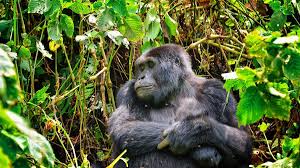
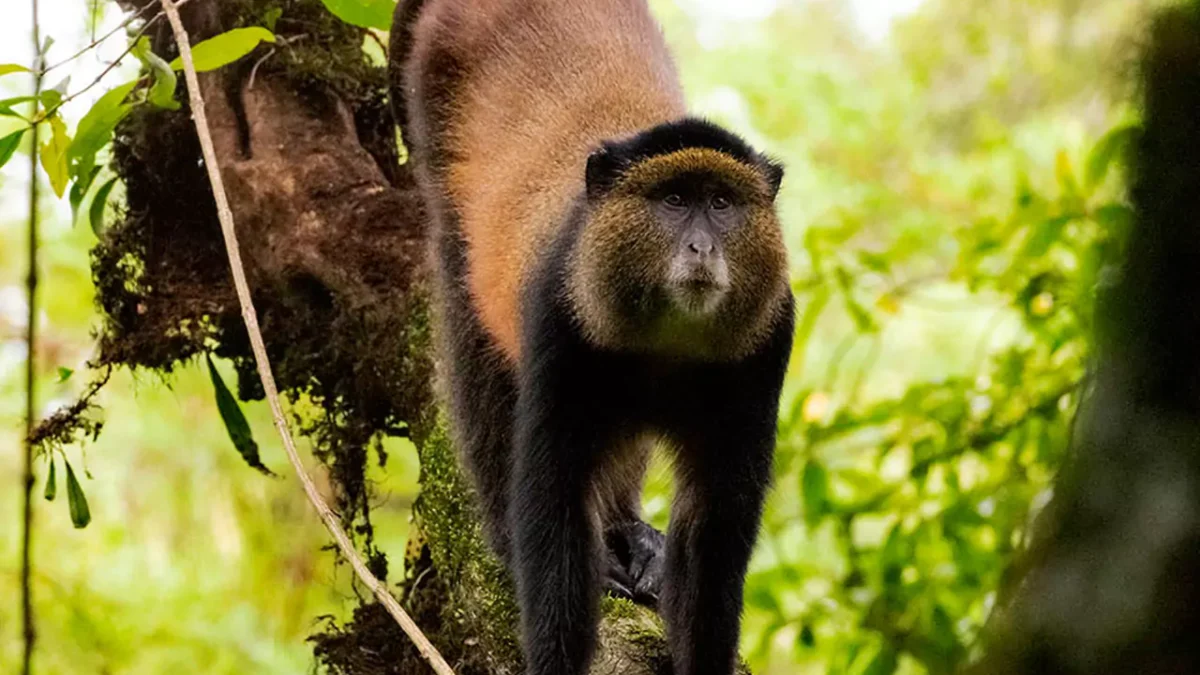
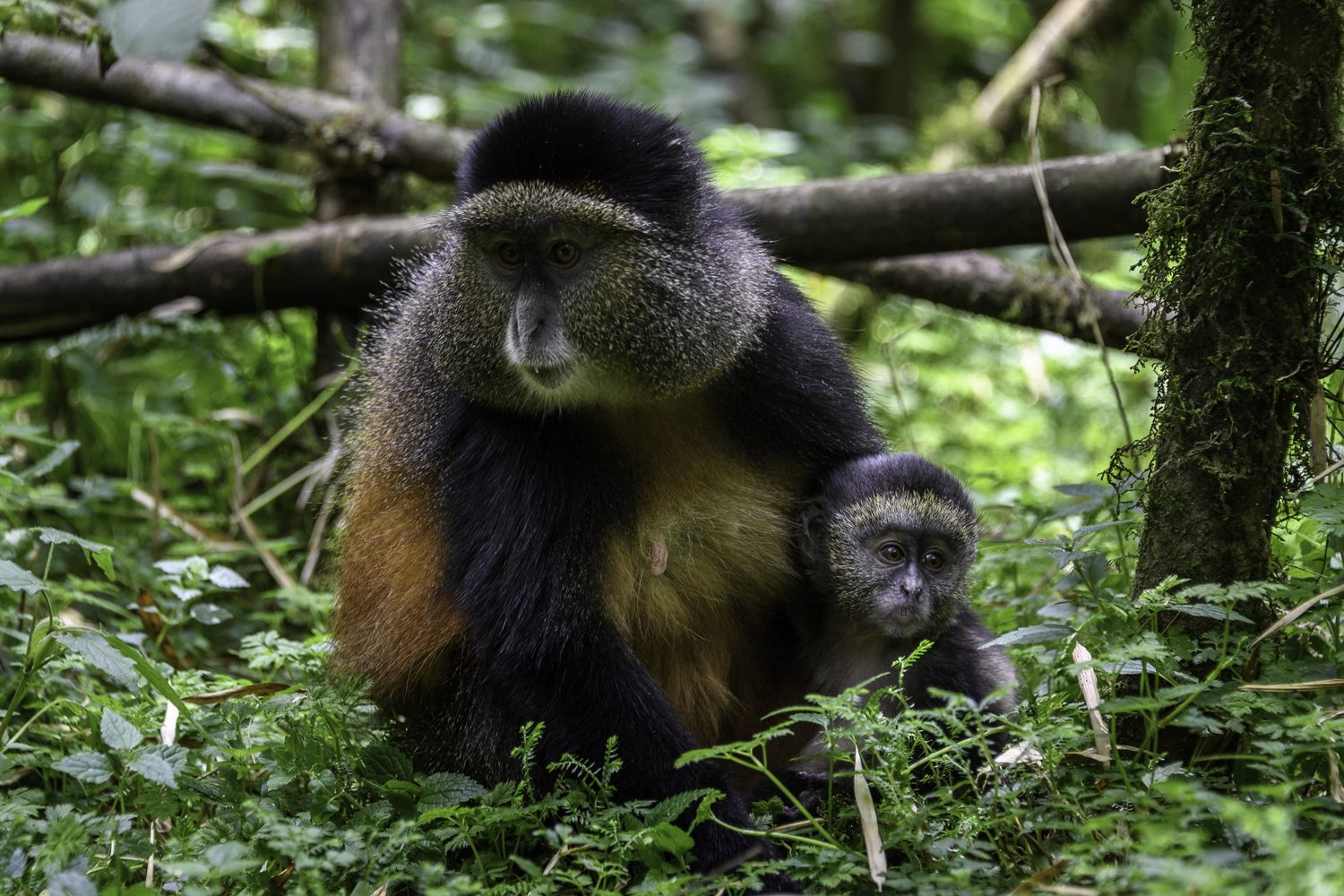
Wildlife in Gishwati–Mukura is recovering alongside forest restoration. Chimpanzees are present in small, monitored populations, along with blue monkeys, L’Hoest’s monkeys, and other forest species.
Sightings are not guaranteed and should not be the primary motivation for visiting. The park’s value lies in observing early-stage ecosystem recovery rather than abundant wildlife encounters.
Primate Experiences in Gishwati–Mukura
Primate tracking in Gishwati–Mukura is limited and carefully managed. Chimpanzee presence is monitored through research rather than mass tourism.
Visitors may encounter monkeys during guided forest walks, but expectations must remain realistic. This is a destination for learning, not primate spectacle.
Birdwatching in Gishwati–Mukura National Park
Birding is the park’s strongest attraction. Gishwati–Mukura lies within the Albertine Rift, supporting endemic and forest-dependent species.
Birdwatching here feels intimate and exploratory. Quiet trails, low visitor numbers, and knowledgeable guides create excellent conditions for patient observation.
Hiking and Nature Walks
Guided hiking is the primary visitor activity in Gishwati–Mukura. Trails explore regenerating forest, ridge viewpoints, and river systems.
Walks emphasize interpretation. Guides explain forest regeneration, soil stabilization, tree species, and wildlife monitoring, turning hikes into conservation lessons rather than physical challenges alone.
Community-Based Tourism and Conservation
Community involvement is central to the park’s survival. Local communities participate in reforestation, guiding, and tourism services.
Revenue supports alternative livelihoods that reduce pressure on forest resources. Visitors directly contribute to conservation outcomes through responsible tourism participation.
Best Time to Visit Gishwati–Mukura National Park
The park can be visited year-round, but drier months offer safer hiking conditions and easier access.
Rainy seasons bring lush growth and active birdlife but require caution on steep trails. Travelers seeking atmosphere and solitude often prefer these quieter periods.
Permits and Visitor Regulations
All visits to Gishwati–Mukura are guided. Entry fees support conservation and community programs.
Group sizes remain small to minimize impact and ensure meaningful interpretation. Visitors must follow guide instructions at all times.
Accommodation Near Gishwati–Mukura National Park
Accommodation options near the park are limited, reflecting its developing tourism profile. Choices focus on comfort, practicality, and proximity rather than luxury concentration.
Luxury and Upper Mid-Range Options
Lake Kivu Serena Hotel (located in Gisenyi/Rubavu) serves as the most comfortable high-end base. While not inside the park, it offers reliable service, spacious rooms, and access to the western circuit.
This option suits travelers combining Gishwati–Mukura with Lake Kivu or Volcanoes National Park.
Mid-Range Accommodation
Cormoran Lodge on Lake Kivu provides a relaxed mid-range option with scenic views and practical access routes toward the park.
Stipp Hotel Gisenyi offers comfortable, centrally located accommodation for travelers prioritizing logistics.
Budget Accommodation
Garden Place Hotel Gisenyi offers basic comfort and affordability for travelers focused on exploration rather than amenities.
Budget stays work best for conservation-focused visitors with realistic expectations.
How Many Days to Spend in Gishwati–Mukura
One full day allows for guided hikes and birdwatching. Two nights enable deeper exploration and relaxed pacing.
Gishwati–Mukura works best as an addition to a western Rwanda itinerary rather than a standalone destination.
Sample Mini-Itineraries
1 Day Visit
Early arrival, guided forest walk, birdwatching focus, departure.
2 Days / 1 Night
Arrival, afternoon nature walk, overnight near Lake Kivu, extended hike and community visit the next day.
What to Pack and Wear
Sturdy hiking boots, rain jacket, long trousers, and walking sticks are essential. Binoculars are highly recommended for birding.
Carry water and snacks, as facilities inside the park are minimal.
Safety, Health, and Etiquette
Guides manage all activities. Trails can be steep and slippery, requiring attention and proper footwear.
Respect conservation rules and community norms. This park prioritizes learning and protection over speed or volume.
Who Gishwati–Mukura National Park Is Best For
This park suits conservation-minded travelers, birders, researchers, and those seeking educational nature experiences.
It is not ideal for travelers expecting frequent wildlife sightings or luxury safari infrastructure.
Common Mistakes to Avoid
Visiting with unrealistic wildlife expectations is the most common mistake. Treating the park as a quick stop without engaging with its conservation story also limits its value.
Plan Your Safari
Gishwati–Mukura National Park offers a rare opportunity to witness conservation in action. Through guided walks, birdlife, and community engagement, visitors gain insight into how forests recover and biodiversity returns. For travelers who value meaning over spectacle, Gishwati–Mukura delivers one of Rwanda’s most educational and rewarding experiences.