Nyungwe Forest National Park Travel Guide
Nyungwe Forest National Park is not simply a place to visit; it is an ecosystem to understand. Spanning over 1,000 square kilometers, Nyungwe protects one of Africa’s oldest surviving montane rainforests, estimated to be millions of years old. This ancient forest has remained largely intact through climatic shifts that reshaped much of the continent, allowing biodiversity to evolve in remarkable isolation.
For travelers, Nyungwe delivers an experience fundamentally different from savannah safaris or volcano trekking. It is quieter, slower, and more immersive. Wildlife encounters are earned through walking, listening, and patience rather than vehicle-based viewing. This makes Nyungwe especially rewarding for travelers interested in primates, birdlife, botany, hiking, and conservation rather than spectacle alone.
Where Nyungwe Forest National Park Is Located
Nyungwe Forest National Park is located in southwestern Rwanda, stretching along the border with Burundi and lying west of the country’s central plateau. The forest occupies a mountainous region that forms part of the Congo–Nile Divide, an ecologically critical watershed that feeds river systems flowing toward both the Congo Basin and Lake Victoria.
The park’s location contributes to its remoteness and ecological importance. Nyungwe acts as a climate regulator, water catchment, and biodiversity refuge not only for Rwanda but for the wider Albertine Rift region. Its position also means travel requires planning, but that same remoteness is what preserves its wilderness character.
How to Get to Nyungwe Forest National Park
Travel from Kigali to Nyungwe Forest typically takes five to six hours by road, depending on weather and stops. The route passes through Rwanda’s rolling hills, tea-growing regions, and rural communities, offering insight into the country’s agricultural backbone and landscape transitions.
Because of the long drive, arriving the afternoon before any major activity is essential. Early-morning activities such as chimpanzee trekking begin before sunrise, and attempting to arrive on the same day is impractical and exhausting. Most visitors plan Nyungwe as a dedicated multi-night stop rather than a short excursion.
Forest Environment, Altitude, and Climate
Nyungwe Forest sits at high altitude, ranging from approximately 1,600 to over 2,900 meters above sea level. This elevation creates a cool, moist climate with frequent mist and rainfall throughout the year. Daytime temperatures are moderate, but mornings and evenings can feel cold, especially after rain.
Humidity remains high, which supports lush vegetation but also affects physical comfort and camera equipment. Weather can change quickly, even within the same day. Proper preparation is not optional in Nyungwe; it directly determines comfort, safety, and enjoyment.

Chimpanzee Trekking in Nyungwe Forest
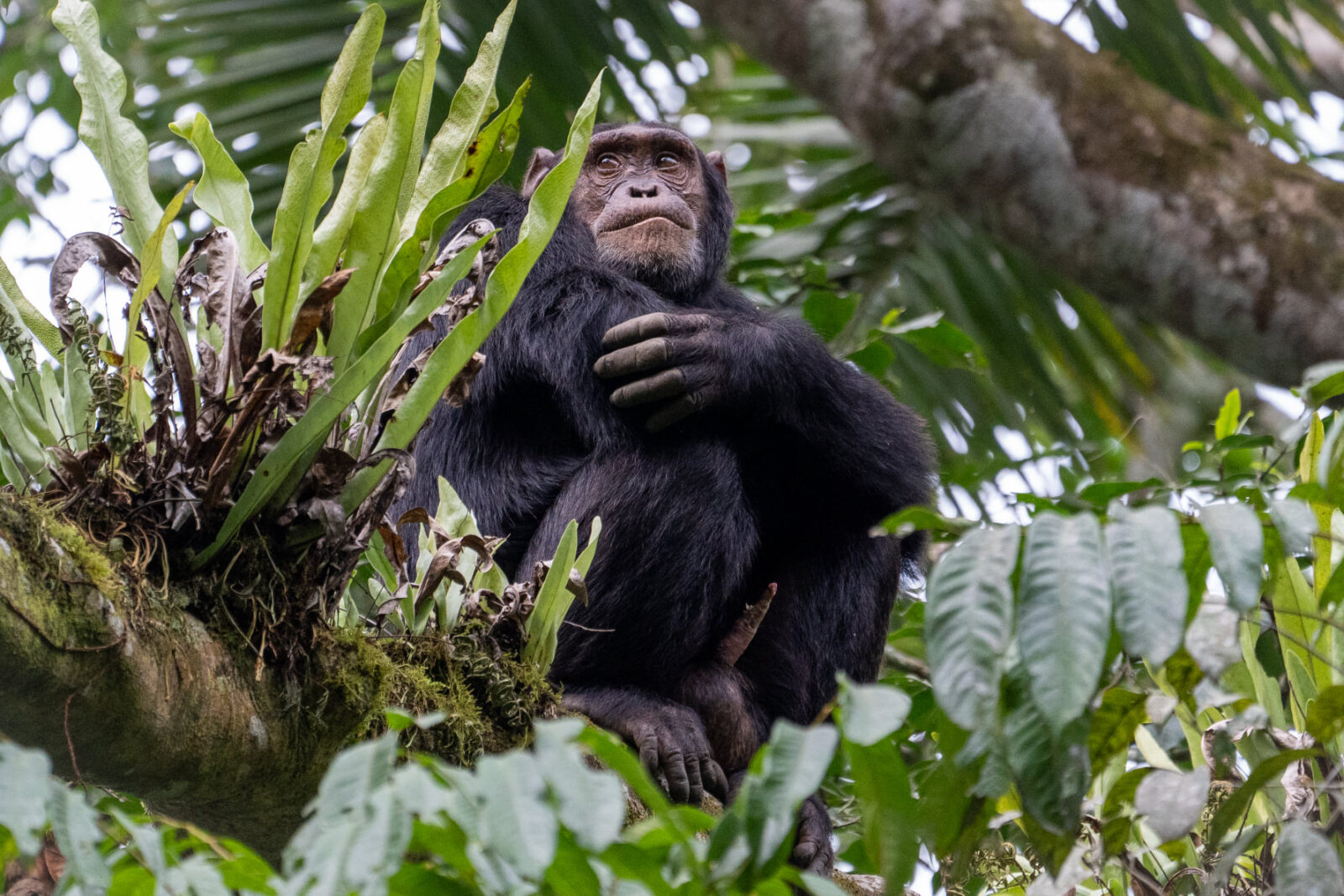
Chimpanzee trekking is Nyungwe’s most famous activity, but it is also the most physically demanding and unpredictable. Chimpanzees are highly intelligent, social, and mobile primates that travel long distances each day in search of food. Unlike gorillas, they do not remain in one place.
Treks often involve fast-paced hiking through steep terrain as trackers follow vocalizations and movement patterns. Sightings can be brief, energetic, and mostly canopy-based. While this makes photography challenging, it also provides authentic insight into wild chimpanzee behavior rather than staged encounters.
Understanding Chimpanzee Behavior in Nyungwe
Chimpanzees in Nyungwe live in large communities with complex social hierarchies. They communicate through loud calls that echo through the forest long before they are seen. Observing these interactions offers insight into intelligence, cooperation, conflict, and leadership within primate societies.
Because chimpanzees move frequently, patience and realism are essential. The reward lies not only in visibility but in witnessing raw, natural behavior in a vast forest setting.
Primate Diversity Beyond Chimpanzees
Nyungwe Forest supports 13 primate species, one of the highest concentrations in Africa. Black-and-white colobus monkeys are the most visible, often moving in large troops through the canopy. Blue monkeys, red-tailed monkeys, L’Hoest’s monkeys, and mangabeys inhabit different forest layers.
These primates are frequently encountered during guided forest walks and hikes, making Nyungwe rewarding even for travelers who do not track chimpanzees. This diversity reinforces the forest’s ecological complexity and resilience.
The Canopy Walk Experience
The canopy walk in Nyungwe offers a completely different way to experience the forest. Suspended approximately 60 meters above a forest valley, the walkway allows visitors to move through the treetops and observe the upper canopy layer directly.
This experience reveals aspects of the forest invisible from the ground, including bird activity, canopy vegetation, and the sheer scale of the rainforest. The canopy walk is less physically demanding than trekking and provides dramatic views, making it accessible to a wider range of travelers.
Hiking Trails and Forest Exploration
Nyungwe’s hiking trail network is extensive and varied, ranging from short interpretive walks to long, challenging routes that take several hours. Trails explore river valleys, waterfalls, ridge tops, and deep forest interiors.
Hiking in Nyungwe is not about constant wildlife sightings. It is about immersion—listening to forest sounds, observing plant diversity, and understanding how ecosystems function over time. Guides provide ecological interpretation that transforms hikes into educational journeys.
Birdwatching in Nyungwe Forest
Nyungwe is internationally recognized for bird diversity, especially Albertine Rift endemics. Many species are restricted to high-altitude forests and cannot be seen elsewhere in Rwanda.
Birdwatching requires patience, early starts, and quiet movement. Even casual observers benefit from the constant presence of birdsong, movement, and color throughout the forest.
Best Time to Visit Nyungwe Forest National Park
Nyungwe can be visited year-round, but travel style should guide timing. Drier periods offer easier hiking conditions and more predictable schedules.
Rainy periods enhance the forest’s atmosphere, making vegetation lush and waterfalls more dramatic. While trails become muddy, visitor numbers decrease, and the forest feels especially alive.
Accommodation Near Nyungwe Forest (With Examples)
Luxury
One&Only Nyungwe House offers the most refined experience near the forest, combining high comfort with immediate access to activities. Its location within a tea estate bordering the park creates a unique blend of luxury and nature.
Mid-Range
Nyungwe Nziza Eco Lodge provides comfortable cottages close to the forest, focusing on sustainability and tranquility.
Nyungwe Top View Hill Hotel offers panoramic views and practical comfort at a moderate price point.
Budget
Gisakura Guest House remains the most practical budget option, located near key park access points and suited to early starts.
How Many Days You Need in Nyungwe
Two nights allow only a brief introduction. Three nights enable one major activity plus a secondary experience. Four or more nights allow true immersion, recovery between activities, and deeper exploration.
Nyungwe rewards time. Rushing diminishes its value.
What to Pack and Wear
Proper hiking boots, waterproof jackets, gloves, and layered clothing are essential. Rain protection for cameras and electronics is critical.
Porters are recommended for steep trails and long hikes.
Safety, Health, and Etiquette
All activities are guided. Visitors must follow instructions and maintain respectful behavior around wildlife. Anyone feeling ill may be restricted from primate activities to protect animal health.
Common Mistakes to Avoid
Underestimating physical difficulty, packing lightly for rain, and scheduling Nyungwe as a one-night stop are the most common mistakes.
Plan Your Safari
Nyungwe Forest National Park offers one of Africa’s most immersive rainforest experiences. With adequate time, realistic expectations, and proper preparation, visitors gain access to a living ecosystem shaped by millions of years of evolution. Nyungwe is not about rushing from highlight to highlight—it is about understanding nature deeply and respectfully.