Akagera National Park Safari Guide
Akagera National Park delivers Rwanda’s classic savannah safari experience, defined by open plains, rolling hills, acacia woodland, and a chain of lakes along the eastern border. It is Rwanda’s only Big Five park and a powerful example of conservation recovery, where reintroductions and protection transformed a once-depleted ecosystem into a thriving wildlife destination.
Unlike the dense forests of Volcanoes and Nyungwe, Akagera offers wide horizons and vehicle-based game viewing. This contrast makes it an essential component of a well-rounded Rwanda itinerary, especially for travelers seeking traditional safari moments alongside primate experiences.
Where Akagera National Park Is Located
Akagera lies in eastern Rwanda, bordering Tanzania and stretching along the Akagera River system. The park’s geography transitions from savannah plains in the north to lakes and wetlands in the south, creating diverse habitats within one protected area.
Its proximity to Kigali makes Akagera highly accessible. Travelers can reach the park in a few hours by road, allowing even short stays to feel rewarding and unhurried.
Wildlife Highlights in Akagera
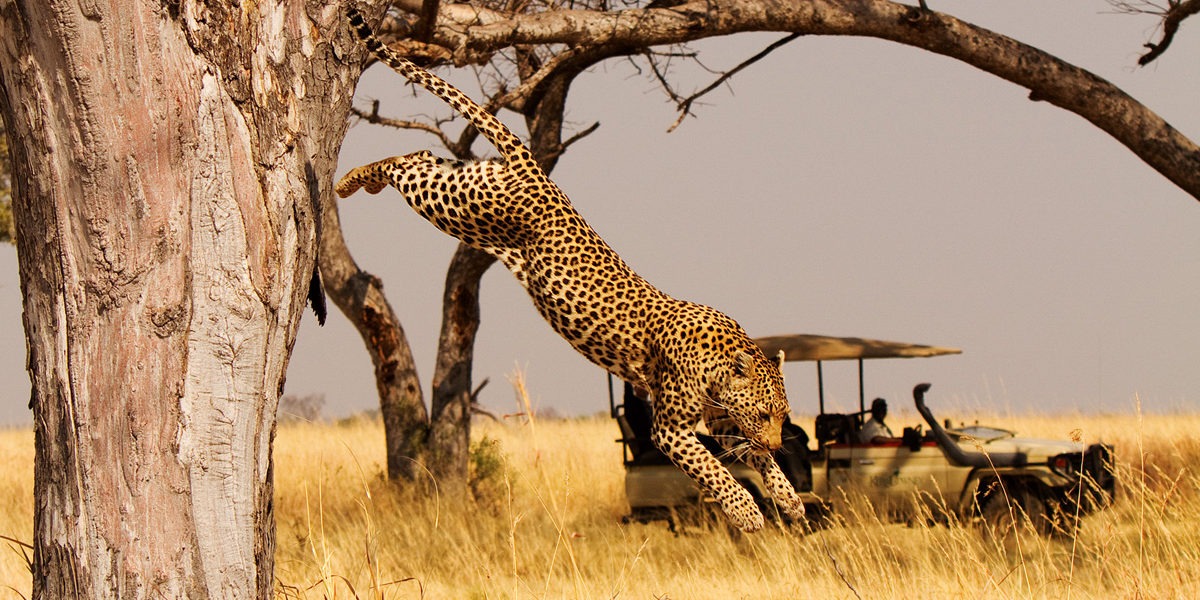
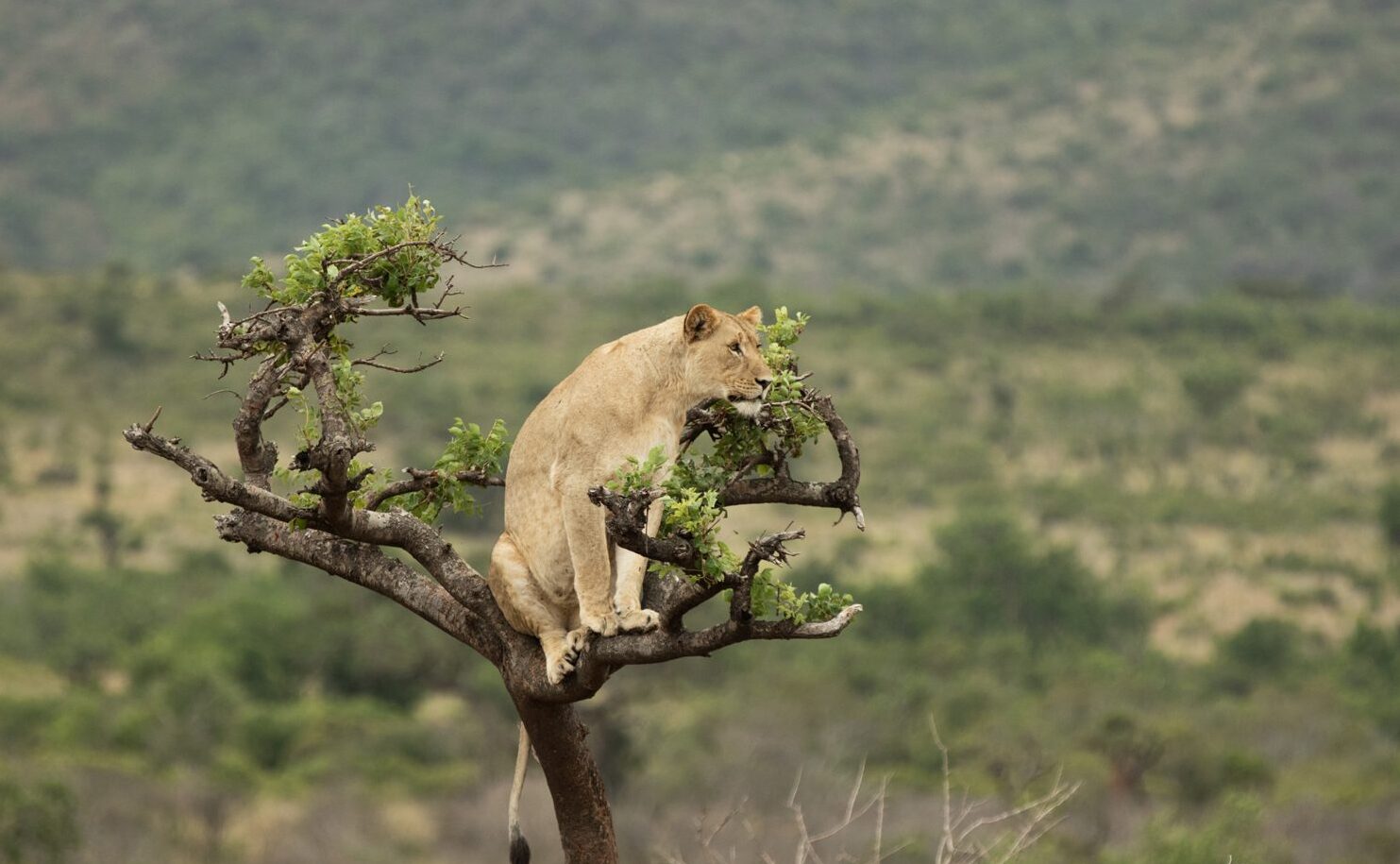
Akagera is home to the Big Five—lion, leopard, elephant, buffalo, and rhinoceros—alongside giraffes, zebras, antelope species, hippos, and crocodiles. Predator sightings have increased steadily following successful reintroductions and strict protection.
The park’s varied habitats support different wildlife densities. Northern plains favor grazers and predators, while southern lakes attract water-dependent species, offering diverse viewing across short distances.
Game Drives in Akagera National Park
Game drives form the core of the Akagera safari experience. Morning drives often deliver the best sightings as predators remain active and herbivores gather to feed. Afternoon drives reveal different behaviors as animals move toward water sources.
The park’s road network allows exploration of multiple habitats in a single drive. Guides adapt routes based on wildlife movement, weather, and recent sightings, ensuring dynamic and responsive experiences.
Big Five Experience in Akagera
Akagera’s Big Five status marks a conservation milestone. Lions were reintroduced to restore predator balance, while rhinoceros reintroduction completed the Big Five lineup.
Seeing these species in Rwanda reflects the success of protection and management rather than sheer wilderness size. Encounters feel meaningful because they represent recovery and resilience, not just spectacle.
Boat Safari on Lake Ihema
The boat safari on Lake Ihema offers a completely different perspective from game drives. From the water, visitors observe hippos, crocodiles, and abundant birdlife at close range.
This experience balances vehicle-based safaris with relaxed observation. It also highlights Akagera’s wetland ecosystems, which play a critical role in biodiversity support and water regulation.
Birding in Akagera National Park
Akagera is Rwanda’s top birding destination, hosting hundreds of species across lakes, marshes, and savannah. Waterbirds dominate the southern section, while raptors and savannah species appear in open areas.
Birding adds depth to game drives and boat safaris. Even non-specialist travelers appreciate the color, movement, and sound that birdlife brings to the landscape.
Landscape and Scenic Diversity
Akagera’s landscape shifts constantly as travelers move through the park. Open plains transition into wooded hills, then open onto lakeshores and papyrus-lined channels.
This diversity keeps drives visually engaging and prevents monotony. Scenic variation also increases the range of wildlife encounters within a limited time.
Best Time to Visit Akagera National Park
Akagera can be visited year-round. Drier months offer easier wildlife spotting as animals gather near water sources and vegetation thins.
Rainy periods bring lush scenery and strong bird activity. While grass grows taller, the park remains accessible and visually striking, especially around lakes and wetlands.
Safari Experience Style in Akagera
Akagera offers a calm, uncrowded safari environment. Visitor numbers remain controlled, allowing quiet observation and flexible pacing.
The experience feels personal rather than mass-tourism driven. This suits travelers who value space, patience, and interpretation over volume of sightings.
Accommodation Near Akagera National Park
Accommodation options near and within Akagera range from luxury lodges overlooking lakes to practical safari camps close to game-drive routes. Staying inside or near the park reduces travel time and increases early-morning flexibility.
Lodges emphasize views, wildlife proximity, and relaxed atmosphere rather than excess. Choosing accommodation aligned with planned activities improves overall safari flow.
Conservation Story of Akagera
Akagera’s recovery stands as one of Africa’s strongest conservation success stories. Through partnerships, strict law enforcement, and community engagement, wildlife populations rebounded dramatically.
Tourism revenue supports ongoing protection, monitoring, and local development. Visiting Akagera directly contributes to sustaining this recovery.
Who Akagera Safaris Are Best For
Akagera suits travelers seeking classic savannah wildlife without long-distance travel. It appeals to photographers, first-time safari-goers, families with older children, and travelers combining primates with Big Five viewing.
Those expecting vast herds like the Serengeti should adjust expectations. Akagera’s strength lies in quality, conservation impact, and diversity rather than sheer scale.
Combining Akagera With Other Rwanda Parks
Akagera pairs naturally with Volcanoes National Park or Nyungwe Forest. Combining savannah and forest experiences creates contrast and balance within one country.
This combination highlights Rwanda’s ecological diversity and allows travelers to experience multiple safari styles efficiently.
Plan Your Safari
Akagera National Park offers Rwanda’s savannah heart—Big Five wildlife, scenic landscapes, and a powerful conservation story. With well-planned game drives and a boat safari on Lake Ihema, visitors experience a classic African safari shaped by Rwanda’s commitment to protection and sustainability.