National Parks of Rwanda: A Complete Overview
Rwanda’s national parks may be compact in size, but they deliver extraordinary ecological diversity. Within a relatively small country, travelers encounter misty volcanoes, ancient rainforests, open savannah, wetlands, and large lakes. Each national park protects a distinct ecosystem and supports different wildlife species, making Rwanda one of Africa’s most varied safari destinations per square kilometer.
Rather than spreading tourism thinly across many parks, Rwanda has focused on protecting a few key landscapes exceptionally well. This approach ensures high conservation standards, strong visitor management, and meaningful wildlife encounters that feel personal and well guided.
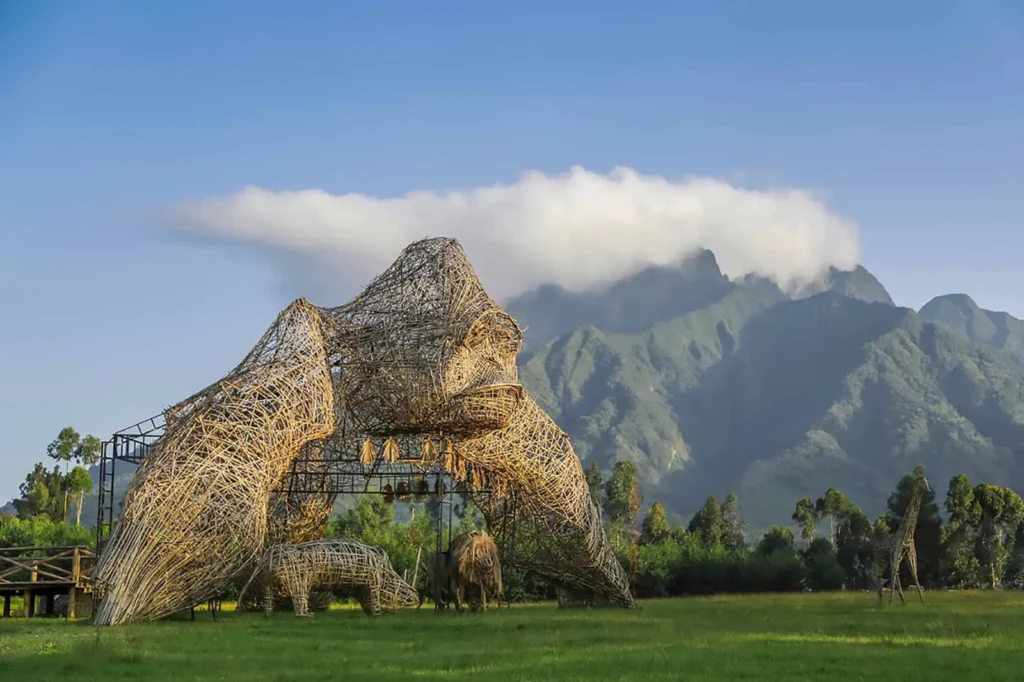
Rwanda’s National Park System Explained
Rwanda has four national parks, each representing a different ecological zone. These parks are carefully managed, well protected, and supported by strong conservation policies. Together, they form the backbone of Rwanda’s wildlife tourism and biodiversity protection.
Each park serves a specific role. Some protect endangered primates, others restore classic savannah wildlife, while others safeguard wetlands and bird habitats. Visiting more than one park reveals how diverse Rwanda truly is.
Volcanoes National Park
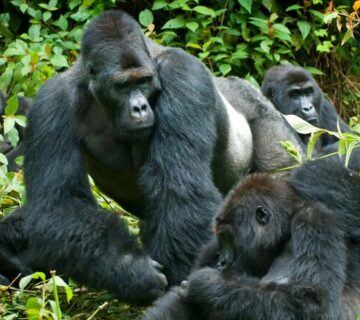
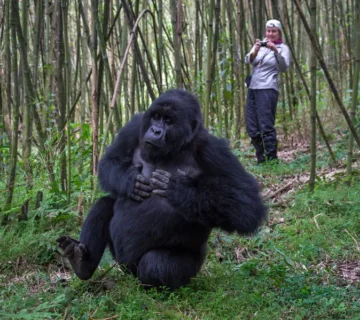
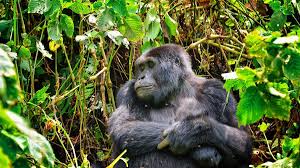
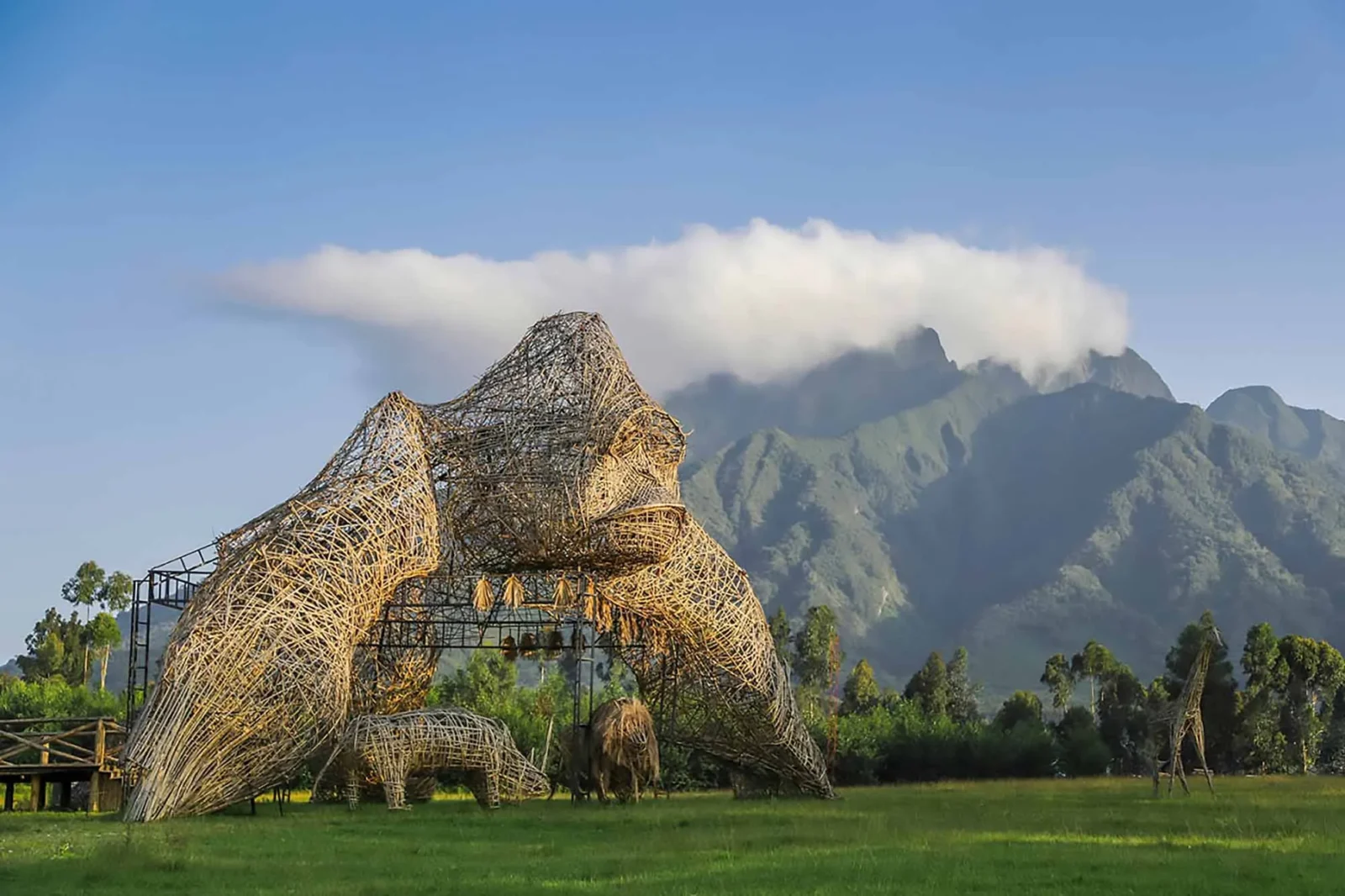
Volcanoes National Park is Rwanda’s most famous protected area and the heart of mountain gorilla conservation. Located in the Virunga Mountains in the north, the park protects a dramatic landscape of volcanic peaks, bamboo forests, and montane rainforest.
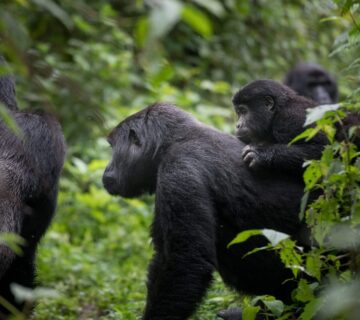
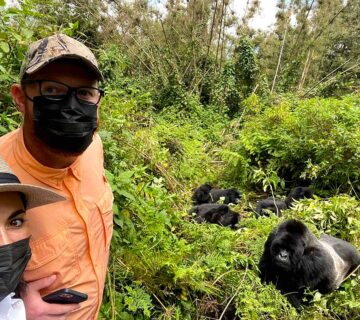
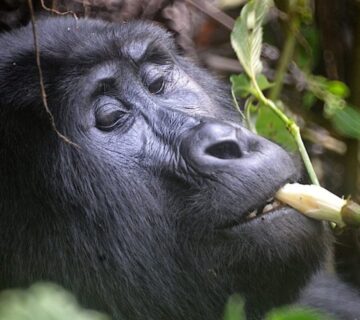
The park is home to a significant portion of the world’s remaining mountain gorillas. In addition to gorilla trekking, visitors can track golden monkeys, hike volcanic slopes, and learn about conservation history. Volcanoes National Park is the cornerstone of Rwanda’s global tourism reputation.
Nyungwe Forest National Park
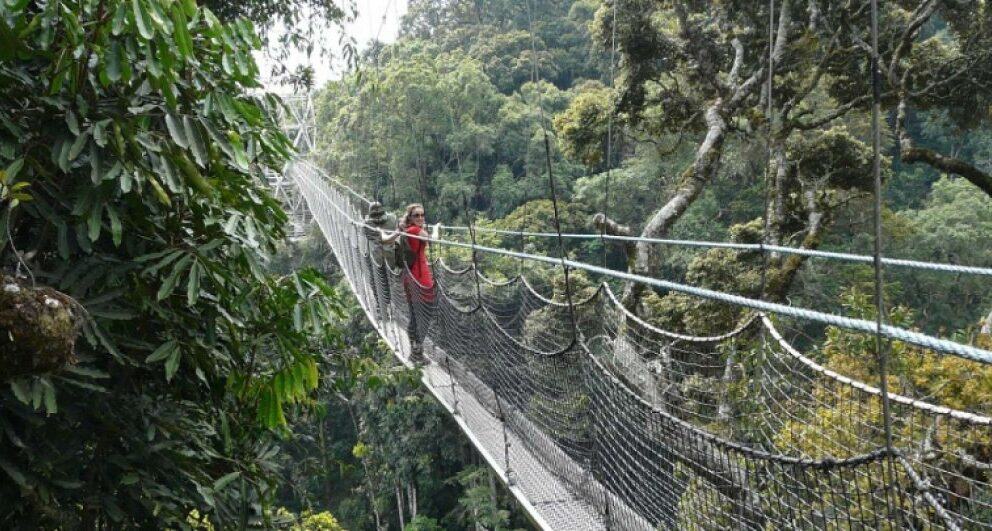
Nyungwe Forest National Park protects one of Africa’s oldest and most biodiverse rainforests. Located in southwestern Rwanda, the park is a stronghold for primates, birds, and rare plant species.
Chimpanzee trekking is the park’s signature experience, but Nyungwe also offers canopy walks, long hiking trails, and exceptional birdwatching. The forest plays a vital role in regional water catchment and climate regulation, making it ecologically critical beyond tourism.
Akagera National Park
Akagera National Park represents Rwanda’s savannah ecosystem and is the country’s Big Five destination. Located in the east along the border with Tanzania, Akagera features open plains, rolling hills, woodlands, lakes, and wetlands.
The park has undergone a remarkable conservation recovery. Lions and rhinos were successfully reintroduced, restoring the Big Five. Akagera offers classic game drives, boat safaris on Lake Ihema, and strong birdlife, providing a traditional safari experience within Rwanda.
Gishwati–Mukura National Park
Gishwati–Mukura National Park is Rwanda’s newest and smallest national park. It protects fragmented montane forests in the northwest and serves as an important conservation corridor.
The park focuses on forest restoration, primate conservation, and community involvement. While tourism here is still developing, visitors can experience guided nature walks, birdwatching, and conservation-focused activities. Gishwati–Mukura highlights Rwanda’s commitment to ecological restoration.
Wildlife Diversity Across Rwanda’s Parks
Rwanda’s national parks collectively protect a wide range of wildlife. Primates dominate forest parks, while savannah species thrive in Akagera. Birdlife is exceptional across all parks, with hundreds of species recorded.
This diversity allows travelers to combine very different experiences within a single itinerary. Few destinations offer gorilla trekking, chimpanzee tracking, Big Five safaris, and wetland birding within such close proximity.
Conservation Success Stories in Rwanda
Rwanda’s parks are often cited as conservation success stories. Mountain gorilla populations have increased, Akagera has been fully restored as a Big Five park, and forest protection has strengthened through community partnerships.
Strict law enforcement, tourism revenue sharing, and political commitment underpin these successes. Rwanda demonstrates that conservation can thrive when wildlife protection aligns with national development goals.
Community Involvement Around National Parks
Communities living near national parks play a key role in Rwanda’s conservation model. Tourism revenue supports schools, healthcare, infrastructure, and livelihood projects in surrounding areas.
This shared-benefit approach reduces human-wildlife conflict and builds local support for conservation. National parks are seen as assets rather than obstacles, strengthening long-term protection.
Accessibility and Travel Between Parks
Rwanda’s compact size makes travel between national parks relatively easy. Well-maintained roads connect Kigali to Volcanoes National Park, Akagera National Park, and Nyungwe Forest.
This accessibility allows travelers to experience multiple parks without extensive internal flights. Efficient logistics make Rwanda ideal for multi-ecosystem safaris.
Best Way to Experience Rwanda’s National Parks
The best way to experience Rwanda’s parks is through a balanced itinerary. Combining primate trekking, savannah safaris, and forest exploration offers a complete picture of the country’s biodiversity.
Allowing enough time in each park prevents rushing and enhances appreciation. Rwanda rewards travelers who value depth and learning over speed.
Who Rwanda’s National Parks Are Best For
Rwanda’s national parks appeal to travelers seeking meaningful wildlife encounters, strong conservation ethics, and high-quality guiding. They suit photographers, nature enthusiasts, families with older children, and travelers interested in responsible tourism.
Those expecting mass tourism or vehicle-heavy wildlife viewing may find Rwanda more intimate and controlled. This exclusivity is part of its appeal.
Plan Your Safari
Rwanda’s national parks showcase how conservation, community, and tourism can work together successfully. From gorilla-filled volcanoes to savannah plains and ancient rainforests, each park tells a different story. With thoughtful planning, travelers experience not just wildlife, but a country deeply committed to protecting its natural heritage.