Chimpanzee Trekking in Nyungwe Forest
Chimpanzee trekking in Nyungwe Forest offers one of the most immersive primate experiences in East Africa. Unlike gorilla trekking, which unfolds in mountainous terrain, chimpanzee trekking takes place deep within an ancient rainforest alive with sound, movement, and biodiversity. Nyungwe Forest National Park protects one of Africa’s oldest and most intact montane rainforests, making every trek feel raw, dynamic, and intensely natural.
This experience is fast-paced, unpredictable, and deeply rewarding. Chimpanzees are highly active primates, constantly moving through the forest canopy and communicating loudly. Tracking them requires alertness, patience, and an appreciation for wild behavior that is rarely scripted or still.
Overview of Nyungwe Forest National Park
Nyungwe Forest National Park lies in southwestern Rwanda along the border with Burundi. The park covers a vast area of dense rainforest, stretching across hills, valleys, and ridges at high altitude. Its ecological importance is immense, supporting a wide range of plant species, birds, and primates found nowhere else in the region.
The forest’s age and complexity create a layered ecosystem where chimpanzees thrive. Tall trees, thick undergrowth, and fruiting plants provide ideal feeding and nesting conditions. This environment shapes the chimpanzee trekking experience, making it feel wild and immersive from the moment you enter the forest.
Chimpanzees of Nyungwe Forest
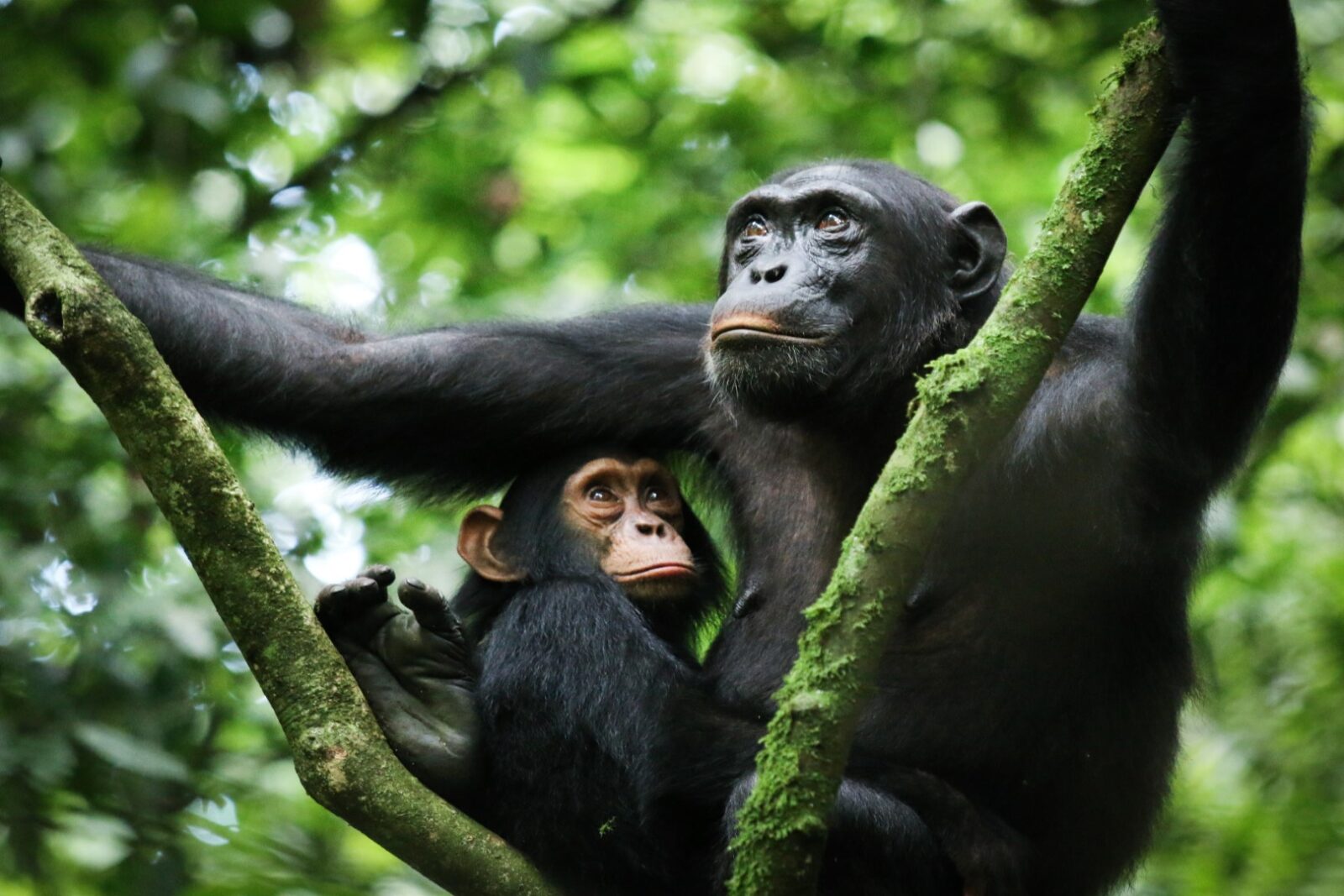
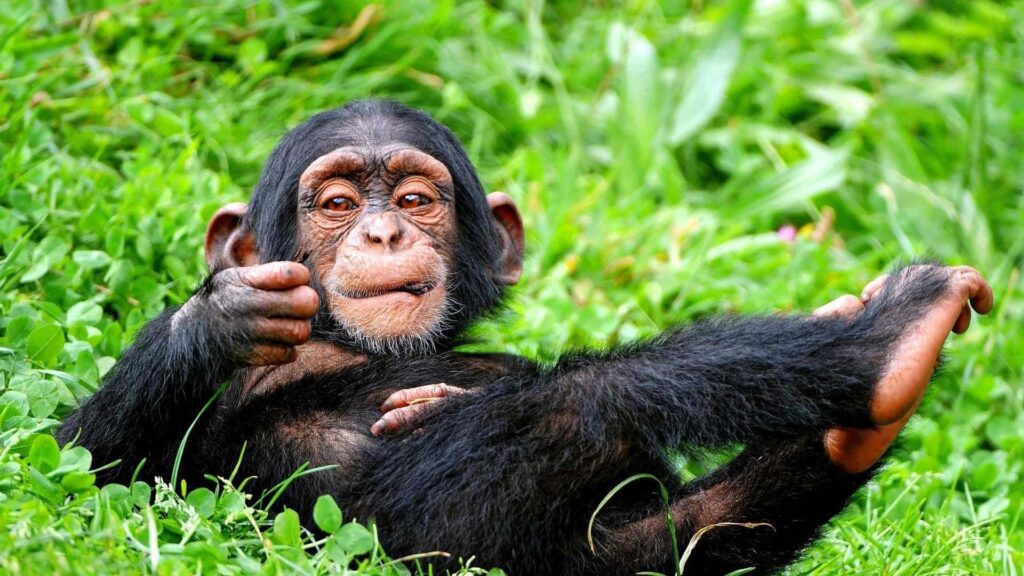
Nyungwe Forest is home to a large population of chimpanzees living in complex social communities. These chimpanzees are known for their intelligence, vocal communication, and constant movement through the forest. Unlike gorillas, chimpanzees spend much of their time in trees, making sightings dynamic and energetic.
Their social behavior includes grooming, play, hunting, and vocal displays that echo through the forest. Observing these behaviors provides insight into primate intelligence and social structure, offering a fascinating contrast to the calmer, ground-based gorilla experience.
What Makes Chimpanzee Trekking Different
Chimpanzee trekking differs significantly from gorilla trekking in pace and unpredictability. Chimpanzees move quickly and often change direction, requiring trekkers to stay alert and mobile. Encounters may involve looking up into the canopy rather than standing face-to-face on the ground.
The experience feels more like tracking than approaching. Visitors follow sounds, broken branches, and calls rather than fixed trails. This unpredictability adds excitement but also demands flexibility and patience.
Trekking Experience and Daily Routine
Chimpanzee trekking typically begins early in the morning, when chimpanzees are most active. Rangers lead small groups into the forest, following trackers who have located chimpanzee communities earlier in the day.
The trek may involve hiking through dense vegetation, crossing uneven ground, and adjusting direction frequently. Once chimpanzees are located, visitors observe them as they move, feed, and interact. The experience often involves brief but repeated sightings rather than a single static encounter.
Physical Demands of Chimpanzee Trekking
Chimpanzee trekking in Nyungwe Forest is moderately demanding. The terrain is uneven, and the pace can be brisk due to chimpanzee movement. Trekkers should be comfortable walking for several hours and navigating forest paths that may be muddy or steep.
While the trek is manageable for most reasonably fit travelers, it requires more agility and alertness than gorilla trekking. Proper footwear, stamina, and mental readiness improve comfort and enjoyment.
Best Time for Chimpanzee Trekking in Nyungwe
Chimpanzee trekking is available year-round in Nyungwe Forest. Weather patterns influence trail conditions rather than chimpanzee presence. Chimpanzees remain active throughout the year, ensuring consistent trekking opportunities.
Dry months offer easier hiking conditions and clearer trails, while rainy periods bring lush vegetation and dramatic forest atmosphere. Sightings remain reliable regardless of season, though movement patterns may vary.
Chimpanzee Behavior and Observation
Chimpanzees are expressive and vocal animals. Visitors often hear them before seeing them, with loud calls echoing through the forest canopy. These vocalizations help groups communicate and establish territory.
Observation requires patience and attentiveness. Chimpanzees may move quickly between trees, making brief appearances before disappearing again. These fleeting moments contribute to the excitement and authenticity of the experience.
Conservation Importance of Chimpanzee Trekking
Chimpanzee trekking supports conservation efforts in Nyungwe Forest by funding park protection, research, and community development. Revenue from trekking permits contributes to forest preservation and wildlife monitoring.
Nyungwe plays a critical role in protecting chimpanzee habitat within Rwanda. Tourism provides an incentive to maintain forest integrity and reduce pressure from human activity.
Chimpanzee Trekking vs Gorilla Trekking
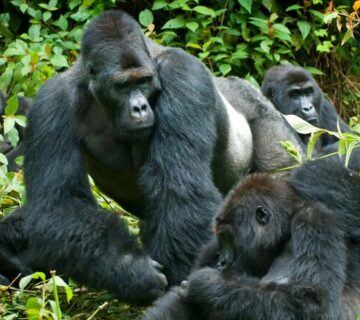
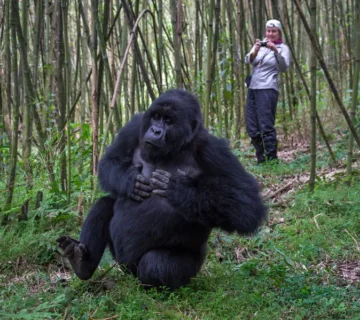
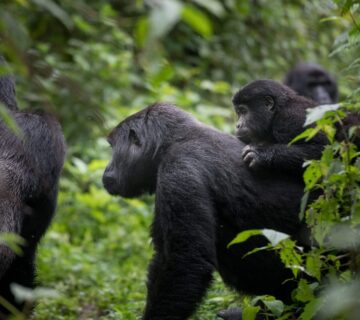
While both experiences involve primates, chimpanzee trekking feels more energetic and less predictable than gorilla trekking. Gorillas offer close, calm observation, while chimpanzees deliver movement, sound, and surprise.
Many travelers choose to experience both to gain a broader understanding of primate behavior. Together, they showcase the diversity and complexity of Rwanda’s wildlife.
Who Chimpanzee Trekking Is Best For
Chimpanzee trekking suits travelers who enjoy active experiences and dynamic wildlife encounters. It appeals to nature enthusiasts, photographers comfortable with fast movement, and travelers seeking something less structured.
Those expecting close, prolonged observation may find the experience challenging. However, travelers open to unpredictability often find it deeply rewarding.
Plan Your Safari
Chimpanzee trekking in Nyungwe Forest delivers a thrilling and authentic rainforest experience. Through sound, movement, and raw behavior, visitors connect with one of humanity’s closest relatives in their natural environment. With thoughtful preparation and flexible expectations, this trek becomes a powerful complement to Rwanda’s primate conservation story.