Nyungwe Chimpanzee Permit Cost Explained
Understanding the cost of a chimpanzee trekking permit in Nyungwe Forest is an important step when planning a primate-focused safari in Rwanda. Unlike gorilla trekking, chimpanzee trekking follows a different pricing structure that reflects the nature of the experience, the forest environment, and conservation priorities. Knowing what the permit covers helps travelers plan accurately and appreciate the value behind the fee.
Nyungwe Forest National Park protects one of Africa’s most important chimpanzee populations. Permit revenue plays a direct role in preserving this ancient rainforest, supporting ranger patrols, research, and community-based conservation initiatives. The permit cost therefore represents both access and impact.
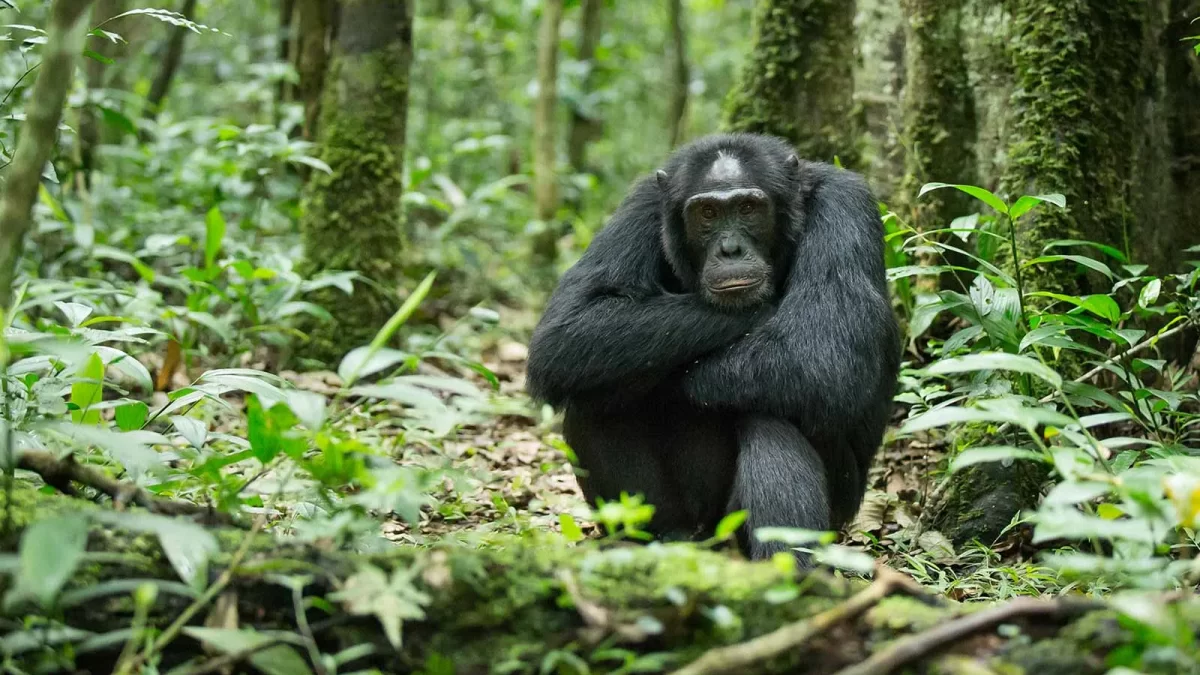
Current Cost of a Nyungwe Chimpanzee Permit
A chimpanzee trekking permit in Nyungwe Forest currently costs USD 150 per person. This fee applies to international visitors and grants access to a guided chimpanzee trekking experience on a specific date.
The permit allows participation in a single trekking session led by trained rangers and trackers. Group sizes are controlled to minimize disturbance, ensuring a responsible and organized encounter within the forest.
What the Chimpanzee Permit Includes
The chimpanzee permit covers park entry for the trekking activity, ranger and tracker services, and forest conservation management. Rangers guide visitors safely through the forest while enforcing trekking rules that protect both chimpanzees and visitors.
The permit also supports tracking operations that locate chimpanzee communities each morning. This preparation increases the likelihood of sightings and ensures efficient use of time within the forest.
Why Chimpanzee Permits Cost Less Than Gorilla Permits
Chimpanzee permits are significantly cheaper than gorilla permits because the experiences differ in structure and intensity. Chimpanzee encounters are more dynamic, less predictable, and often involve brief sightings rather than prolonged close observation.
Gorilla permits are priced higher due to stricter visitor limits, longer habituation processes, and higher veterinary and protection costs. Chimpanzee trekking still requires conservation investment, but the overall management costs differ.
Conservation Impact of Permit Revenue
Revenue from chimpanzee permits contributes directly to the protection of Nyungwe Forest. Funds support ranger patrols, habitat monitoring, research programs, and anti-poaching efforts.
Permit income also helps maintain trails and infrastructure that reduce human impact on sensitive areas. By funding conservation through tourism, Rwanda ensures that chimpanzee protection remains sustainable.
Community Benefits Linked to Permit Fees
Local communities surrounding Nyungwe Forest benefit from tourism revenue through employment opportunities and community development projects. A portion of park income supports schools, health centers, and infrastructure improvements.
This revenue-sharing approach encourages community participation in conservation. When communities see tangible benefits, pressure on forest resources decreases, strengthening long-term protection.
Permit Availability and Daily Limits
Chimpanzee permits in Nyungwe Forest are limited each day to control visitor numbers and reduce disturbance. While availability is generally better than gorilla permits, popular travel periods can still see demand increase.
Booking permits in advance remains advisable, especially for travelers with fixed itineraries. Advance planning ensures preferred trekking dates and smooth scheduling.
Permit Validity and Booking Conditions
Chimpanzee permits are issued for specific dates and are non-transferable. Once booked, they cannot be changed or refunded if travel plans shift.
Travelers must present identification at park headquarters on trekking day. Understanding these conditions prevents last-minute complications and ensures compliance with park regulations.
Is the Nyungwe Chimpanzee Permit Worth the Cost?
For travelers interested in primate behavior and rainforest ecosystems, the Nyungwe chimpanzee permit offers strong value. The experience provides insight into chimpanzee intelligence, communication, and social dynamics within a pristine forest environment.
While sightings may be brief, the excitement of tracking and observing active chimpanzees creates a memorable and authentic wildlife encounter. The cost reflects conservation support rather than guaranteed proximity.
Additional Costs to Consider
Beyond the permit, travelers should budget for transport to Nyungwe Forest, accommodation, and meals. Nyungwe’s remote location often requires overnight stays to fully enjoy the experience.
Proper budgeting ensures a comfortable and unrushed visit. Factoring in these additional costs helps travelers plan realistically.
Comparing Permit Value to Other Primate Experiences
Compared to chimpanzee trekking in other regions, Nyungwe offers a unique rainforest setting with strong conservation oversight. While permit prices vary across Africa, Nyungwe’s value lies in ecosystem integrity and biodiversity rather than ease of sightings alone.
Travelers seeking diverse primate experiences often find Nyungwe an excellent complement to gorilla trekking rather than a substitute.
Plan Your Safari
Understanding the Nyungwe chimpanzee permit cost helps travelers plan responsibly and appreciate its conservation role. The permit grants access to one of Africa’s most important rainforest ecosystems while supporting long-term protection of chimpanzees and local communities. With realistic expectations, chimpanzee trekking in Nyungwe becomes a rewarding and meaningful experience.