Gorilla Trekking Safety in Rwanda
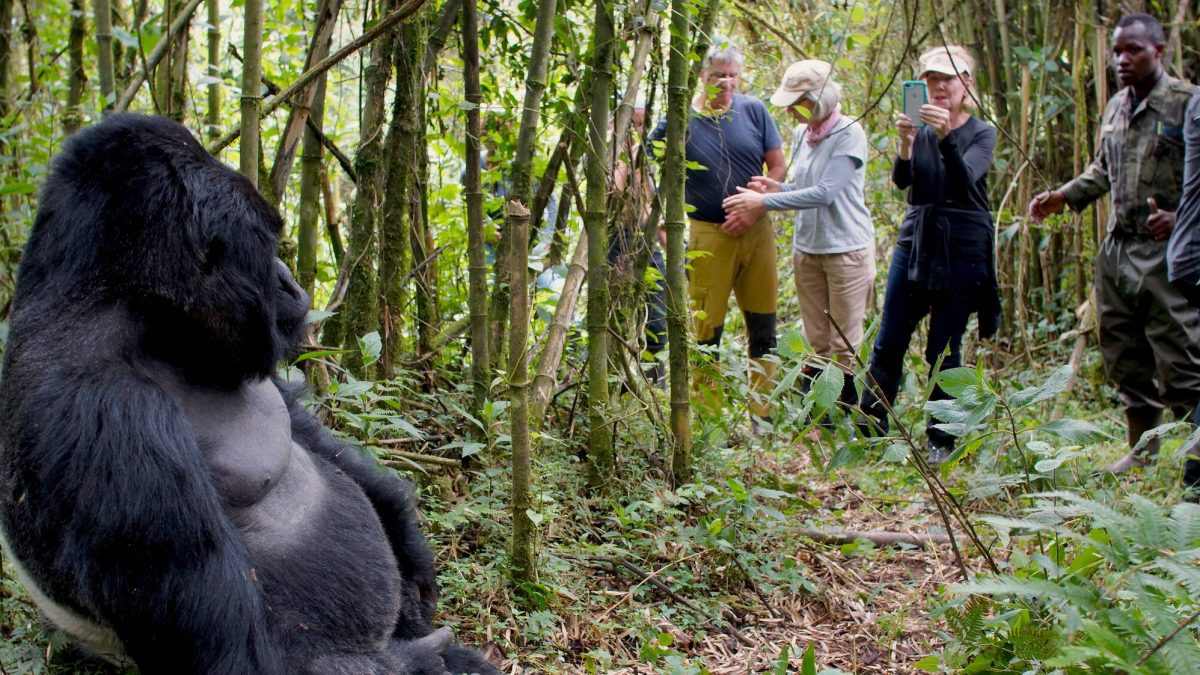
Safety is one of the biggest concerns for travelers considering gorilla trekking in Rwanda, especially given the close proximity to wild animals and the challenging forest environment. The good news is that gorilla trekking in Rwanda is widely regarded as one of the safest wildlife experiences in Africa. This reputation comes from strict regulations, professional ranger guidance, and decades of conservation experience.
Understanding how safety is managed helps travelers feel confident and prepared. Gorilla trekking safety in Rwanda is not left to chance. It is the result of structured systems designed to protect both visitors and mountain gorillas at every stage of the experience.
Overall Safety Record of Gorilla Trekking in Rwanda
Rwanda has an excellent safety record for gorilla trekking. Serious incidents involving visitors are extremely rare. This reliability reflects strong governance, well-trained staff, and strict enforcement of rules within Volcanoes National Park.
The country’s political stability and emphasis on tourism safety further strengthen this record. Travelers consistently report feeling secure throughout their journey, from arrival to trekking day and beyond.
Role of Trained Rangers and Trackers
Every gorilla trekking group is led by highly trained rangers and trackers. These professionals understand gorilla behavior, forest navigation, and emergency response. Their presence ensures that trekking routes are safe and encounters remain controlled.
Trackers locate gorilla families early each morning, reducing unnecessary movement through the forest. Rangers guide visitors calmly and confidently, monitoring group behavior and environmental conditions throughout the trek.
Armed Protection and Park Security
Armed rangers accompany all gorilla trekking groups. Their role is preventive rather than confrontational, providing reassurance and security within the forest environment.
Volcanoes National Park maintains strong security systems, including regular patrols and monitoring of park boundaries. This structure minimizes risks from external threats and ensures a safe trekking environment.
Gorilla Behavior and Human Safety
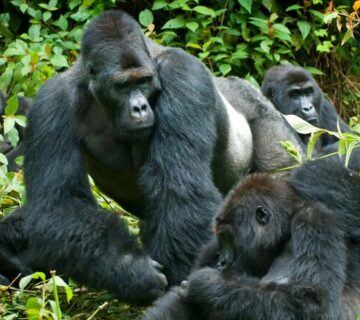
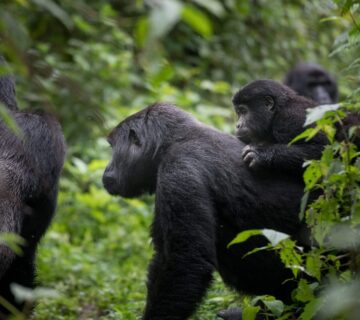
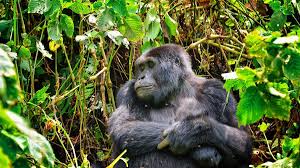
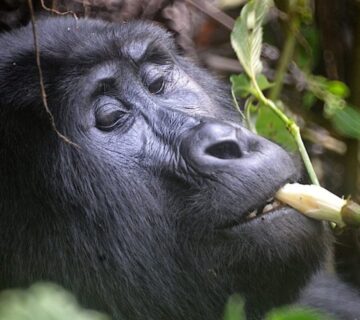
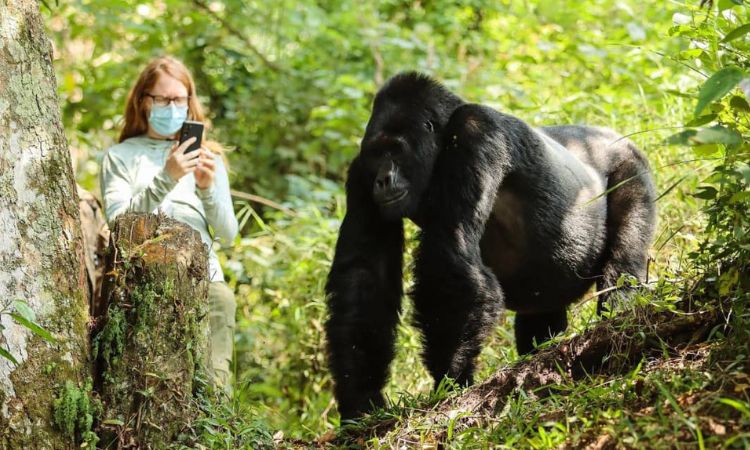
Mountain gorillas in Rwanda are habituated, meaning they are accustomed to limited human presence. Habituation reduces the likelihood of defensive or aggressive behavior during encounters.
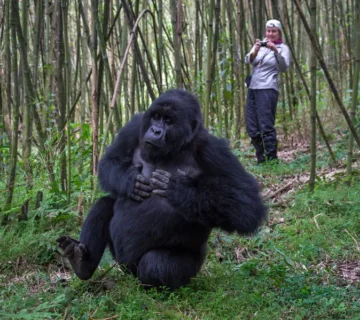
Gorillas are generally calm and non-aggressive when treated respectfully. Rangers closely observe gorilla behavior and intervene if necessary, ensuring that encounters remain safe for both visitors and animals.
Rules That Protect Visitor Safety
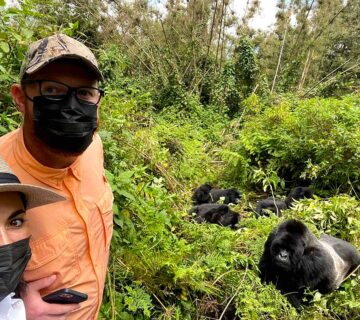
Strict trekking rules play a key role in safety. Maintaining distance, avoiding sudden movements, and remaining quiet reduce stress and prevent unexpected reactions from gorillas.
Visitors are briefed thoroughly before entering the forest. Following these guidelines ensures that trekking remains a controlled and predictable experience rather than a risky one.
Health and Disease Prevention Measures
Health safety is a critical component of gorilla trekking. Visitors showing signs of illness are not allowed to trek, protecting gorillas from human diseases.
Distance regulations and limited group sizes further reduce health risks. These measures protect both gorillas and visitors, reinforcing Rwanda’s conservation-first approach.
Terrain Safety and Trekking Conditions
The terrain in Volcanoes National Park can be steep and muddy, particularly during rainy periods. Rangers select routes carefully and adjust pacing to suit group abilities.
Porters are available to assist with balance and carrying loads. Using a porter improves stability and reduces the risk of slips or falls, especially on challenging sections.
Weather-Related Safety Considerations
Weather conditions change quickly in the mountains, but trekking continues safely under most circumstances. Rangers monitor conditions closely and adapt plans when necessary.
Rain increases trail difficulty but does not compromise overall safety when guidelines are followed. Proper clothing and footwear significantly enhance comfort and stability.
Emergency Preparedness and Response
Rangers are trained in first aid and emergency response. Communication systems allow coordination between teams within the park.
In the unlikely event of an issue, rangers prioritize visitor safety and follow established protocols. This preparedness adds an extra layer of reassurance for travelers.
Safety for First-Time and Solo Travelers
First-time and solo travelers often worry about safety, but Rwanda’s structured trekking system provides equal protection for all visitors. Group-based trekking ensures no one is isolated or unsupported.
Solo travelers join small groups led by rangers, benefiting from the same safety measures as larger parties. This inclusive system ensures consistent protection regardless of travel style.
Cultural and Community Safety
Safety extends beyond the forest. Rwanda is known for its respectful and welcoming culture. Communities around Volcanoes National Park are accustomed to tourism and engage positively with visitors.
This social stability contributes to a sense of comfort throughout the journey. Travelers often note feeling safe and respected both in rural areas and urban centers.
Why Rwanda Is Considered One of the Safest Gorilla Trekking Destinations
Rwanda’s safety reputation comes from disciplined management, conservation commitment, and strong tourism oversight. Every aspect of gorilla trekking is regulated, from permit issuance to on-the-ground operations.
This structured approach minimizes risk and maximizes confidence. Travelers benefit from systems refined over many years of experience.
Plan Your Safari
Gorilla trekking safety in Rwanda is built on preparation, professionalism, and respect for wildlife. With trained rangers, strict rules, and strong security systems, travelers enjoy a safe and controlled experience in one of Africa’s most remarkable landscapes. Proper preparation allows visitors to focus fully on the encounter, knowing safety is a top priority.