Common Gorilla Trekking Mistakes to Avoid
Gorilla trekking in Rwanda is a highly controlled and rewarding experience, yet many travelers unknowingly make mistakes that affect comfort, safety, or the quality of the encounter. Most of these mistakes do not come from carelessness but from lack of preparation or unrealistic expectations. Understanding common errors in advance allows travelers to approach the trek confidently and responsibly.
Avoiding these mistakes does not require special skills or experience. It requires awareness, preparation, and respect for the rules that protect mountain gorillas and visitors alike. When travelers know what not to do, the experience becomes smoother, safer, and far more meaningful.
Underestimating the Physical Demands
One of the most common mistakes is assuming gorilla trekking is an easy walk. While it is accessible to most people, the trek can involve steep climbs, muddy trails, and several hours of walking depending on gorilla location.
Travelers who underestimate the terrain often feel fatig early and struggle to enjoy the experience fully. Preparing mentally for physical effort and pacing yourself makes a significant difference in comfort and enjoyment.
Wearing the Wrong Clothing
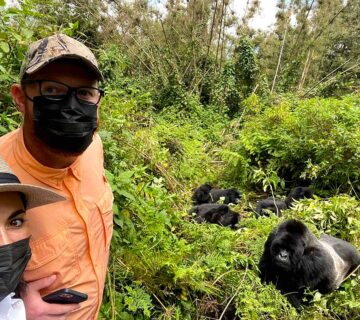
Inappropriate clothing is another frequent mistake. Short sleeves, shorts, or open shoes leave trekkers exposed to nettles, thorns, insects, and mud. Fashion-focused clothing quickly becomes uncomfortable in rainforest conditions.
Proper trekking attire protects the body and reduces distraction. Wearing the right clothing allows travelers to focus on the experience rather than discomfort or irritation.
Skipping a Porter to Save Money
Many travelers decline porter assistance to save money, only to regret it during the trek. Porters not only carry bags but also provide stability on steep or slippery sections of the trail.
Skipping a porter can increase fatigue and reduce enjoyment, especially on longer treks. Hiring a porter enhances safety, comfort, and overall experience while supporting local livelihoods.
Not Booking Permits Early Enough
Delaying permit booking is a critical planning mistake. Rwanda issues a limited number of gorilla permits each day, and availability decreases quickly during popular travel periods.
Waiting too long can force travelers to adjust itineraries or miss out entirely. Early booking provides flexibility and reduces stress during trip planning.
Ignoring Health Requirements
Attempting to trek while ill is both unsafe and irresponsible. Gorilla trekking rules prohibit anyone showing signs of illness from participating due to disease transmission risk.
Some travelers underestimate this rule or assume mild symptoms are acceptable. In reality, enforcement is strict. Prioritizing health protects gorillas and avoids disappointment on trekking day.
Overpacking for the Trek
Carrying unnecessary items during the trek is a common mistake. Heavy bags increase fatigue and slow movement through difficult terrain.
Only essential items should be carried into the forest. Light packing improves balance, reduces strain, and allows trekkers to move comfortably throughout the hike.
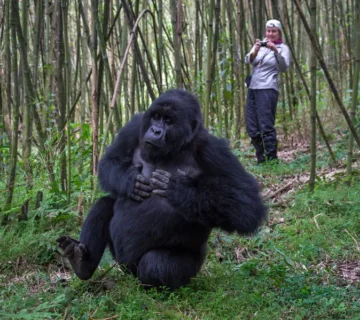
Focusing Too Much on Photography
Many travelers become overly focused on capturing perfect photos and miss the emotional depth of the experience. Constant camera use can create distraction and reduce presence.
Balancing photography with observation enhances both outcomes. Some of the most powerful memories come from moments without a camera between you and the gorillas.
Disregarding Ranger Instructions
Ignoring or questioning ranger instructions undermines safety and conservation efforts. Rangers understand gorilla behavior, terrain risks, and group management.
Travelers who fail to follow guidance may disrupt the group or endanger themselves. Respecting ranger authority ensures a smooth and safe trek for everyone.
Having Unrealistic Expectations
Expecting a short, easy trek or perfect weather sets travelers up for disappointment. Gorilla trekking is unpredictable by nature, and conditions vary daily.
Approaching the experience with flexibility allows travelers to enjoy the journey regardless of challenges. Realistic expectations improve satisfaction and emotional engagement.
Comparing the Experience to Other Safaris
Some travelers compare gorilla trekking to vehicle-based safaris and expect similar comfort or duration. Gorilla trekking is fundamentally different, involving physical effort and close wildlife interaction.
Understanding this distinction prevents frustration. The experience offers depth rather than convenience, making comparisons unhelpful.
Not Mentally Preparing for Emotional Impact
Many travelers underestimate the emotional intensity of meeting gorillas. The encounter can evoke strong feelings of awe, humility, and reflection.
Being mentally open to this impact enhances the experience. Allowing yourself to feel present and reflective often becomes the most rewarding part of the trek.
Rushing the Experience
Rushing before or after the trek limits its impact. Tight schedules can leave travelers feeling pressured rather than fulfilled.
Allowing time for rest and reflection after the trek helps process the experience. Gorilla trekking deserves mental space, not just physical participation.
Plan Your Safari
Avoiding common gorilla trekking mistakes in Rwanda transforms a good experience into an exceptional one. With proper preparation, realistic expectations, and respect for rules, travelers enjoy a safe, comfortable, and deeply meaningful encounter. Thoughtful planning ensures that every step taken in the forest adds value to one of the world’s most powerful wildlife experiences.