Rwanda Gorilla Trekking FAQs
Rwanda gorilla trekking raises many questions, even among experienced safari travelers. From permits and safety to physical demands and photography rules, travelers want clear, honest answers before committing to the experience. Understanding these frequently asked questions removes uncertainty and allows visitors to focus on preparation rather than worry.
This guide addresses the most common Rwanda gorilla trekking FAQs in a detailed, practical way. The answers reflect how gorilla trekking actually works on the ground, helping travelers plan with confidence and realistic expectations.
How Many Gorilla Permits Are Available Per Day?
Rwanda limits the number of gorilla permits issued each day to protect mountain gorillas from overexposure. Each habituated gorilla family is visited by only one small group of trekkers per day. This strict limit reduces stress on the gorillas and preserves the quality of the experience.
Because availability is limited, permits often sell out well in advance, especially during popular travel months. Early planning is essential to secure preferred trekking dates and avoid disappointment.
How Close Do You Get to the Gorillas?
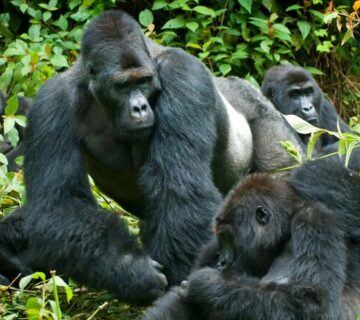
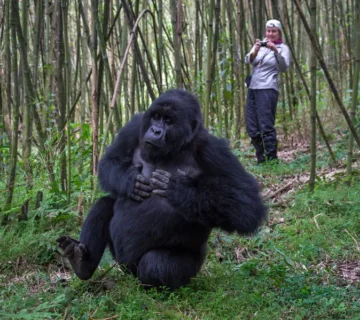
Visitors must maintain a minimum distance from gorillas at all times. This rule protects gorillas from disease transmission and prevents stress or defensive behavior. Rangers monitor spacing closely throughout the encounter.
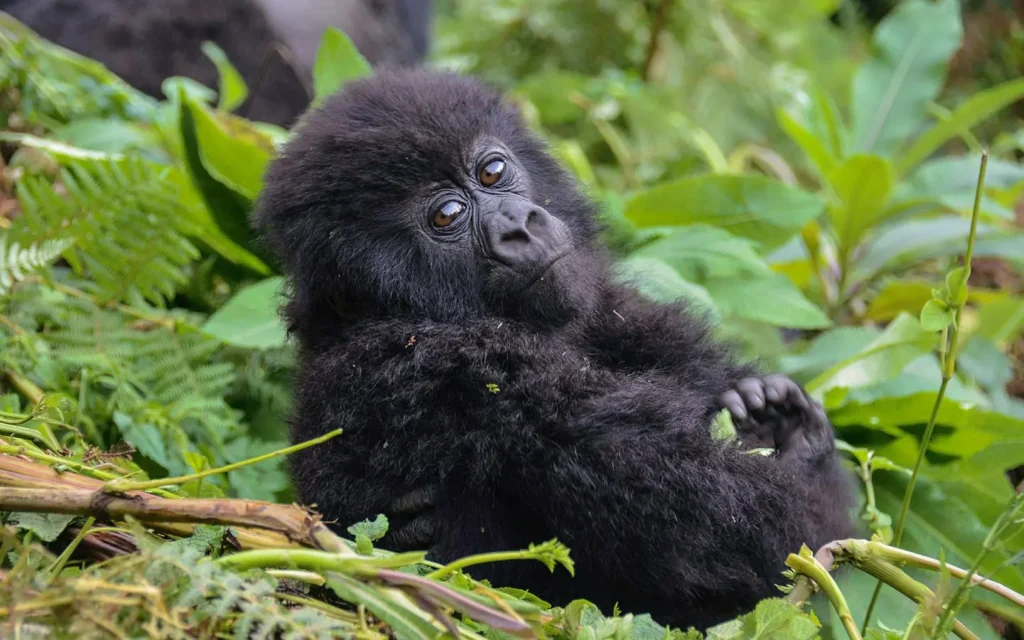
Occasionally, gorillas may move closer on their own, especially curious juveniles. In such cases, visitors must remain still and follow ranger instructions. Allowing gorillas to control proximity ensures safety and respect.
Is Gorilla Trekking Safe in Rwanda?
Gorilla trekking in Rwanda is considered very safe. Armed rangers accompany every group, and tracking teams monitor gorilla movements daily. Strict rules govern behavior to minimize risk.
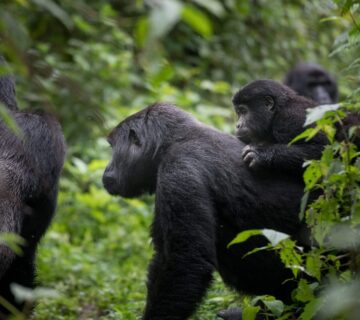
Gorillas are generally calm and non-aggressive toward humans when treated respectfully. Safety incidents are extremely rare due to professional management and controlled encounters.
What Happens if It Rains on Trekking Day?
Gorilla trekking continues in rain. Rain is common in Volcanoes National Park and does not affect gorilla activity or tracking success. Trekkers should be prepared with proper rain gear rather than expect cancellations.
Rain may increase trail difficulty, but rangers adjust pacing and routes accordingly. Many travelers find rainy conditions add atmosphere rather than detract from the experience.
Can You Choose Which Gorilla Family to Visit?
Visitors cannot select specific gorilla families in advance. Assignments are made on trekking morning based on fitness levels, group balance, and gorilla location.
This system protects both visitors and gorillas by ensuring appropriate matching. All habituated families offer meaningful and authentic encounters regardless of size or personality.
How Fit Do You Need to Be?
Gorilla trekking does not require athletic training, but reasonable fitness helps. Treks may involve steep slopes, muddy paths, and several hours of walking depending on gorilla location.
Rangers pace the trek to suit the group, and porters are available to assist. Determination and preparation matter more than peak fitness.
Are Porters Mandatory?
Porters are optional but highly recommended. They carry backpacks, assist on steep or slippery sections, and reduce physical strain. Hiring a porter also supports local livelihoods.
Many travelers find that using a porter significantly improves comfort and enjoyment, especially during longer or more challenging treks.
How Early Does the Trek Start?
Trekking day begins early, usually with a briefing at park headquarters shortly after sunrise. Early starts allow cooler temperatures and better organization.
Most trekkers return by early afternoon, depending on trek length. The activity requires flexibility rather than a strict schedule.
Can You Trek Gorillas If You Wear Glasses?
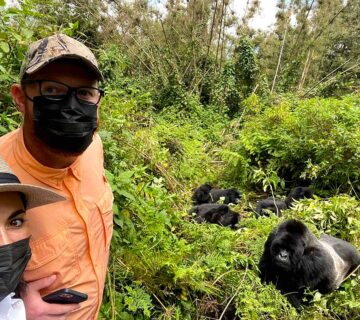
Yes, wearing glasses does not affect your ability to trek gorillas. However, humid conditions may cause fogging, especially during rain.
Anti-fog wipes or lens cloths help manage visibility. Many travelers successfully photograph and observe gorillas while wearing glasses.
Is Flash Photography Allowed?
Flash photography is strictly prohibited during gorilla trekking. Flash can startle and stress gorillas, potentially leading to defensive behavior.
Photographers must adjust camera settings for low light and rely on natural conditions. Rangers enforce this rule consistently.
What If You Are Sick on Trekking Day?
Anyone showing signs of illness is not allowed to trek. This rule protects gorillas from disease transmission, particularly respiratory infections.
While disappointing, the rule is enforced without exception. Travelers should prioritize health and avoid trekking if unwell.
Can Seniors Participate in Gorilla Trekking?
Many seniors successfully complete gorilla treks in Rwanda. Age alone is not a limiting factor. Fitness level, mobility, and comfort with walking matter more.
Rangers consider individual needs when assigning groups. Seniors often benefit from porter assistance and steady pacing.
How Long in Advance Should You Book?
Permits should be booked as early as possible, especially during dry seasons and holiday periods. Many travelers secure permits months in advance.
Late bookings risk limited availability or unfavorable dates. Early planning offers flexibility and peace of mind.
Is Gorilla Trekking Suitable for Children?
Only visitors aged 15 and above may participate in gorilla trekking. This age limit protects both gorillas and younger children from risk.
Families with younger children should plan alternative activities while adults trek. Understanding this rule early helps avoid disappointment.
Plan Your Safari
Understanding Rwanda gorilla trekking FAQs allows travelers to plan confidently and avoid surprises. Clear expectations, proper preparation, and respect for rules ensure a safe and meaningful experience. With reliable systems and expert guidance, Rwanda delivers one of the most well-managed wildlife encounters in the world.