Introduction to Booking Gorilla Trekking Tours in Uganda
Booking a gorilla trekking tour in Uganda is a multi-step process that requires planning, advance reservations, and an understanding of specific logistics and requirements. Gorilla trekking is one of Africa’s most sought-after wildlife experiences, drawing travelers from around the world to encounter endangered mountain gorillas in their natural rainforest habitats. Unlike general safaris, gorilla trekking tours involve strict permit systems, regulated group sizes, and specific health and fitness guidelines designed to protect both travelers and gorillas. Because of high demand and conservation regulations, careful planning and timely bookings are essential for a smooth and successful safari experience.
Understanding Gorilla Trekking Permits in Uganda
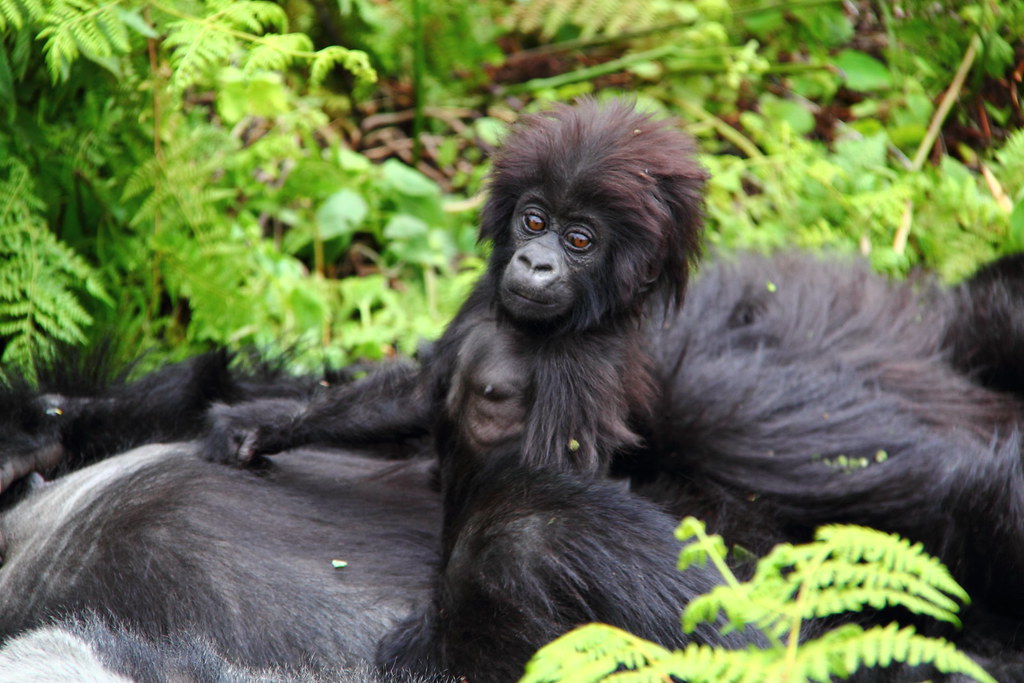
One of the first steps in booking a gorilla trekking tour is securing a gorilla trekking permit. In Uganda, gorilla permits are issued by the Uganda Wildlife Authority (UWA) and grant one person access to spend up to one hour with a habituated mountain gorilla family under the supervision of trained guides and rangers. Permits are limited in number each day to protect the gorillas and minimize human impact on their behavior and health.
Permits must be purchased well in advance, especially during peak seasons such as the dry months (June to September and December to February). Because availability can be limited, securing permits early—often several months before travel—is recommended to ensure preferred dates and trekking sectors are available.
Choosing the Right Gorilla Trekking Sector
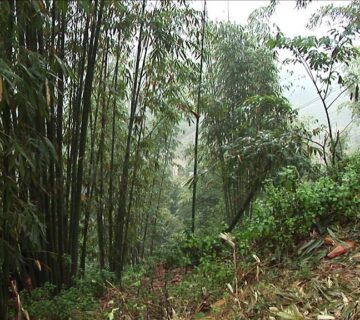
Uganda’s gorilla trekking destinations are primarily located in two national parks: Bwindi Impenetrable National Park and Mgahinga Gorilla National Park. Bwindi hosts the majority of habituated gorilla families and offers several trekking sectors (Buhoma, Rushaga, Ruhija, and Nkuringo), each with unique terrain and trekking difficulty levels. Mgahinga, while smaller, offers fewer but equally rewarding gorilla experiences and is also known for golden monkey tracking.
Choosing the right sector depends on several factors, including physical fitness, lodge location, permit availability, and preferred level of adventure. Many tour operators can recommend the best trekking sector based on individual traveler needs.
Selecting a Licensed Tour Operator
Most travelers book gorilla trekking tours through licensed tour operators who handle all logistics, including permits, transportation, accommodation, guiding services, and itinerary planning. Working with a reputable operator simplifies the process and ensures compliance with park regulations. Tour operators also provide expert local knowledge, updates on gorilla family movements, and support throughout the safari.
When choosing an operator, travelers should confirm that the company is licensed by UWA, offers clear pricing, provides detailed itineraries, and has positive reviews from prior customers. Transparent communication about what is included in the tour package (such as park fees, guide services, meals, and luxury versus budget lodging) helps avoid misunderstandings.
Booking Accommodation and Travel Logistics
Once permits and a tour operator are secured, booking accommodations near the trekking starting points is the next step. Bwindi and Mgahinga offer a range of options, from luxury lodges and boutique forest camps to mid-range eco-lodges and guesthouses. Choosing a lodge close to the trekking sector minimizes travel time on the morning of the trek and maximizes rest and preparation.
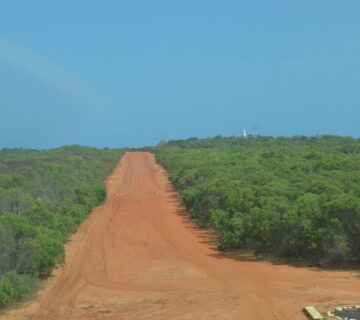
Travel arrangements typically include flights into Entebbe International Airport followed by road transfers to southwest Uganda. Due to long travel distances and rugged terrain, many travelers opt for internal charter flights or domestic transfers to airstrips near the parks, which can significantly reduce travel time.
Understanding Health, Fitness, and Trekking Requirements
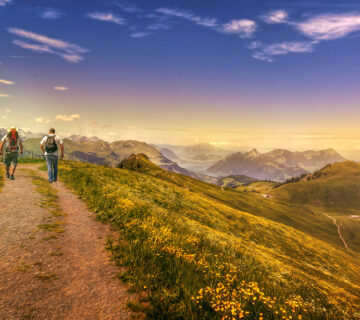
Gorilla trekking in Uganda requires a moderate level of fitness, as trails can be steep, muddy, and uneven. Trekking may take from a few hours to most of a day depending on gorilla location on that day. Visitors should be prepared with proper gear, including sturdy hiking boots, waterproof jackets, insect repellent, gloves, and walking sticks (often provided by lodges or guides).
Additionally, health requirements such as up-to-date vaccinations and travel insurance with medical evacuation coverage are important considerations. Uganda does not require specific vaccinations for gorilla trekking beyond standard travel recommendations, but trekkers must be in good health to avoid transmitting illnesses to the gorillas, who are highly susceptible to human diseases.
Finalizing the Booking and Payments
Once the tour operator has secured permits, lodging, and logistics, travelers typically make a deposit to confirm the booking with the remaining balance due prior to travel. Many operators require payment for gorilla permits upfront, which may be non-refundable if canceled within a certain period. Clear communication about cancellation policies, refund terms, and what happens in the case of itinerary changes (such as weather delays or trekking reassignments) is essential.
Travelers should ensure they receive written confirmations for all elements of the reservation, including permits, accommodations, transport, and guide services. Electronic copies of permits and itineraries should be saved and available during travel.
Best Time to Book for Optimal Experience
The best time to book gorilla trekking tours in Uganda is several months ahead of the intended travel date, particularly if traveling during high seasons such as June to September or December to February. Early booking ensures better access to preferred trekking dates, choice of lodges, and flexibility in itinerary planning. For travelers seeking luxury lodges or specialized experiences like gorilla habituation encounters, booking six to twelve months in advance is often recommended.
Conclusion: Seamless Booking for a Memorable Gorilla Trekking Safari
Booking a gorilla trekking tour in Uganda is an organized process that blends conservation considerations, logistical planning, and personalized travel preferences. By understanding permit systems, working with licensed tour operators, selecting suitable trekking sectors and lodges, and preparing for health and fitness requirements, travelers can secure a seamless and unforgettable safari. With careful advance planning and the right local support, a Uganda gorilla trekking tour becomes one of the most transformative wildlife experiences available on the planet—connecting travelers to some of Africa’s most remarkable primates in their wild forest home.