Gorilla Trekking Success Rate in Rwanda
Many travelers planning a gorilla trekking safari in Rwanda want reassurance that the effort, cost, and preparation will result in actually seeing gorillas. This leads to a common and important question: what is the success rate of gorilla trekking in Rwanda? Success rate refers to the likelihood of encountering a habituated gorilla family during a trek.
Rwanda consistently records one of the highest gorilla trekking success rates in Africa. This reliability is not accidental. It results from daily tracking systems, strict park management, and decades of conservation experience. Understanding why success rates are so high helps travelers plan with confidence.
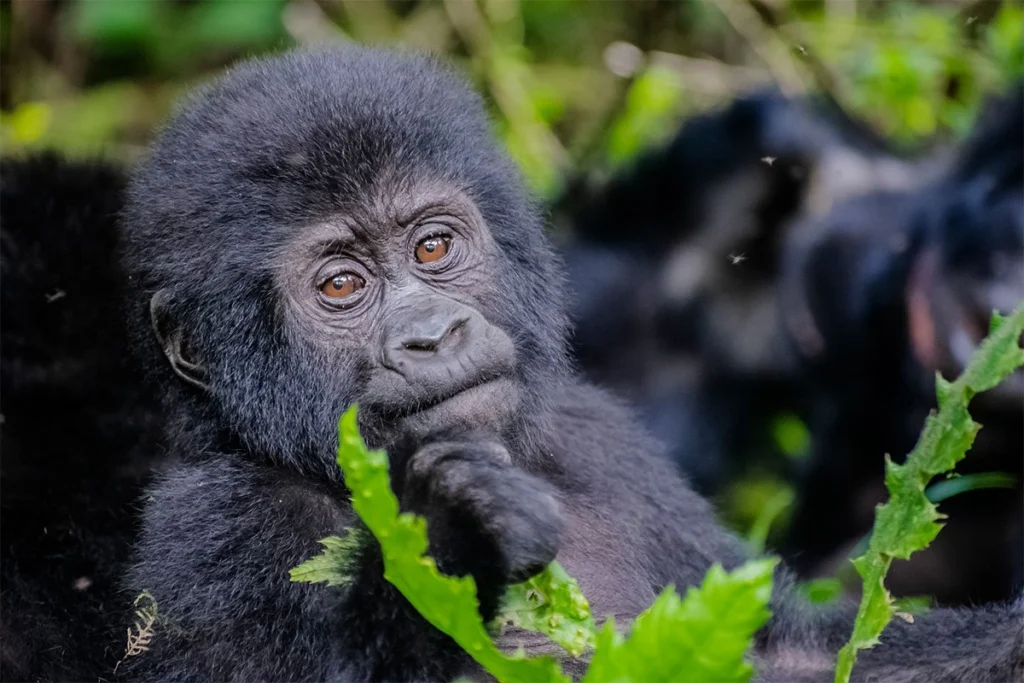
What Gorilla Trekking Success Rate Means
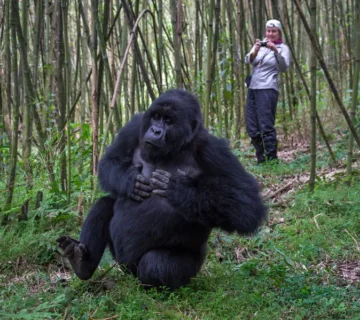
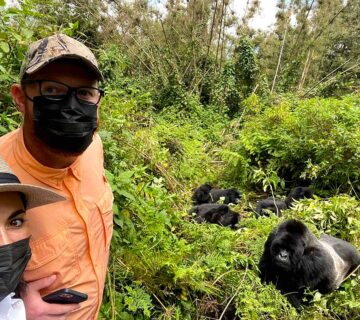
A successful gorilla trek means locating and spending time with a habituated gorilla family as planned. In Rwanda, this includes observing the gorillas for the full one-hour period under ranger supervision.
Success does not depend on chance sightings. Instead, it relies on a structured tracking system that begins long before trekkers enter the forest. This distinction separates gorilla trekking from many other wildlife experiences.
Rwanda’s Gorilla Trekking Success Rate Explained
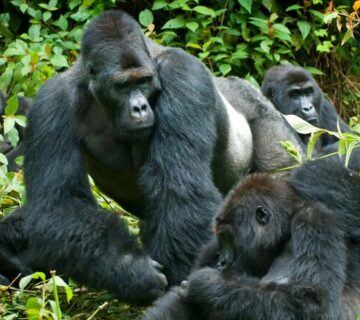
Rwanda’s gorilla trekking success rate is extremely high, often exceeding 95–99%. In most cases, trekkers locate their assigned gorilla family without difficulty. Missed sightings are rare and usually caused by extreme weather or unforeseen gorilla movement.
This reliability makes Rwanda one of the most predictable destinations for gorilla trekking worldwide. Travelers can book with confidence knowing that the likelihood of a successful encounter is exceptionally strong.
Role of Daily Gorilla Tracking
Each morning, trained trackers enter Volcanoes National Park before visitors arrive. Their job is to locate each habituated gorilla family and monitor movement patterns. Trackers communicate real-time locations to rangers guiding visitors.
This proactive system eliminates guesswork. Rather than searching blindly, trekking groups follow known routes toward confirmed gorilla locations. This approach significantly increases success rates while reducing time spent searching.
Habituation and Gorilla Tolerance
Only habituated gorilla families are available for trekking. These gorillas have undergone years of gradual exposure to human presence and remain calm during brief visits. Habituation ensures gorillas do not flee or hide when approached by visitors.
Because these families are accustomed to trackers, their movements remain predictable within their territory. This stability further contributes to Rwanda’s high success rate.
Impact of Terrain and Park Size
Volcanoes National Park is relatively compact compared to other gorilla habitats. This smaller size allows trackers to locate gorillas efficiently and respond quickly to movement changes.
While the terrain is mountainous, the limited park area improves monitoring efficiency. Trackers can cover ground faster, improving response time and accuracy.
Weather and Success Rate
Weather rarely affects whether gorillas are seen. Rain, mist, and cloud cover do not prevent tracking teams from locating gorillas. Gorillas remain active in all weather conditions and do not retreat due to rain.
Weather mainly affects trekking difficulty rather than success. Even during rainy seasons, sightings remain consistent, reinforcing Rwanda’s reputation for reliability.
What Happens if Gorillas Move Unexpectedly
In rare cases, gorillas may move further than expected, increasing trek duration. However, trackers adapt routes and pacing to ensure groups still reach the gorillas safely.
If a trek becomes unusually difficult, rangers may adjust plans to protect visitor safety. Even in these rare situations, alternative solutions are explored to maintain a high success rate.
Success Rate for First-Time Trekkers
First-time trekkers often worry that lack of experience reduces their chances of success. In Rwanda, this concern is unnecessary. Professional guidance ensures that first-time visitors receive the same level of success as experienced trekkers.
Group pacing, support staff, and careful assignment eliminate disadvantages. Success depends on tracking systems rather than individual skill.
Success Rate vs Quality of Encounter
A high success rate does not mean rushed or crowded encounters. Rwanda balances reliability with quality by limiting visitor numbers and enforcing strict rules.
Visitors enjoy calm, controlled encounters even with high success rates. This balance distinguishes Rwanda from mass-tourism wildlife destinations.
Emotional Impact of Reliable Sightings
Knowing that sightings are almost guaranteed allows travelers to relax mentally. Reduced anxiety enhances emotional openness during the encounter.
This confidence often deepens appreciation, as visitors can focus fully on observation rather than worry about outcomes.
Why Rwanda Leads in Gorilla Trekking Reliability
Rwanda’s leadership in gorilla trekking success comes from long-term investment in conservation, staff training, and policy enforcement. High success rates reflect strong systems rather than luck.
The country treats gorilla trekking as a conservation responsibility rather than a commercial gamble. This mindset sustains reliability over time.
Plan Your Safari
Gorilla trekking success rates in Rwanda are among the highest in the world, offering travelers exceptional reliability. Daily tracking, habituated families, and expert rangers ensure that most visitors encounter gorillas as planned. With thoughtful preparation, travelers can approach the experience with confidence, knowing success is built into the system.