
Gorilla Trekking Age Limit in Rwanda
Age restrictions for gorilla trekking in Rwanda exist to protect both visitors and the mountain gorillas themselves. Because gorilla trekking involves physical exertion, unpredictable terrain, and close proximity to endangered wildlife, age guidelines play a crucial role in ensuring safety and conservation standards are upheld. Understanding these rules helps families and travelers plan responsibly and avoid disappointment.
Many travelers assume age limits are flexible, but Rwanda applies them strictly. These regulations are part of a broader conservation framework that prioritizes gorilla welfare and visitor safety. Knowing the age requirements early allows travelers to design itineraries that suit every member of their group.
Official Age Limit for Gorilla Trekking in Rwanda
The minimum age for gorilla trekking in Rwanda is 15 years. This rule applies to all visitors without exception. Anyone under the age of 15 is not permitted to participate in gorilla trekking, regardless of physical ability or prior experience.
The age limit is enforced at park headquarters during the pre-trek verification process. Identification may be checked to confirm eligibility. This strict enforcement ensures consistency and prevents situations where children might face physical or emotional challenges beyond their capacity.
Why Rwanda Enforces an Age Limit
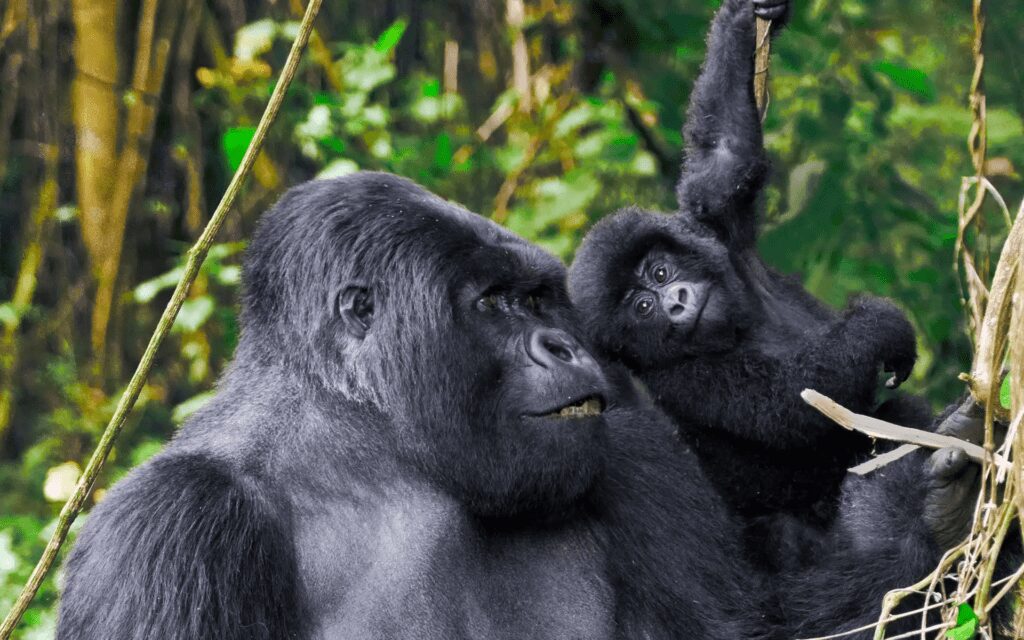
The age limit exists primarily to protect the gorillas. Mountain gorillas are highly susceptible to human diseases, particularly respiratory infections. Children are more likely to carry and transmit illnesses, even when they appear healthy. Limiting trekking to older visitors reduces this risk significantly.
Safety is another key factor. Gorilla trekking can involve long hikes, steep slopes, and muddy terrain. Younger children may struggle with endurance, balance, and emotional regulation in challenging environments. The age restriction ensures that trekkers can follow instructions calmly and consistently.
Physical and Emotional Readiness Considerations
Beyond physical strength, gorilla trekking requires emotional maturity. Visitors must remain calm, quiet, and attentive to ranger instructions at all times. Sudden movements, loud noises, or emotional reactions can disturb gorillas and compromise safety.
Teenagers aged 15 and above are generally capable of understanding and respecting these requirements. The age limit reflects a balance between physical capability and behavioral awareness, both of which are essential during close wildlife encounters.
Age Limit vs Fitness Level
Some travelers question why physically fit children are excluded while older adults are allowed to trek. The age rule is not based solely on fitness. It considers health risk, emotional maturity, and the ability to respond appropriately in unpredictable situations.
Older travelers often complete gorilla treks successfully because they follow guidance carefully and pace themselves. Fitness matters, but adherence to rules and calm behavior are equally important, reinforcing the need for an age-based guideline.
What Happens if a Visitor Is Underage
Visitors under the age of 15 are not allowed to trek gorillas under any circumstances. There are no waivers or special permissions. Attempting to book permits for underage visitors leads to denied access on trekking day without refund.
Families traveling with younger children should plan alternative activities to avoid disappointment. Understanding this rule early helps families design balanced itineraries that suit everyone.
Alternatives for Younger Children
While younger children cannot participate in gorilla trekking, Rwanda offers other meaningful experiences suitable for them. Cultural visits, nature walks outside core trekking zones, and scenic excursions provide engaging alternatives.
These activities allow children to learn about wildlife and conservation in age-appropriate ways. Families often find that combining gorilla trekking for adults with cultural or educational activities for children creates a rewarding overall experience.
Teenagers and Gorilla Trekking
Teenagers aged 15 and above often find gorilla trekking deeply impactful. The experience encourages appreciation for conservation, wildlife protection, and responsible travel. Many young trekkers describe the encounter as transformative and inspiring.
Parents should ensure teenagers understand trekking rules and physical expectations before the trip. Preparation helps young trekkers approach the experience responsibly and confidently.
Age Limits and Group Travel Planning
Age restrictions influence how families and groups plan their Rwanda itineraries. Groups with mixed ages may need to split activities or adjust schedules to accommodate everyone.
Thoughtful planning ensures that all travelers enjoy meaningful experiences without pressure or exclusion. Aligning activities with age requirements creates smoother travel flow and avoids last-minute complications.
Why Strict Enforcement Matters
Strict enforcement of age limits reinforces Rwanda’s commitment to conservation and safety. Allowing exceptions would increase risk to gorillas and undermine the integrity of the trekking program.
By maintaining clear and consistent rules, Rwanda preserves the quality of the experience and protects its most valuable wildlife asset. Visitors benefit from a system built on responsibility rather than compromise.
Planning Gorilla Trekking With Age Limits in Mind
Travelers should confirm age eligibility before booking gorilla permits. This step prevents wasted costs and logistical issues. Families should discuss expectations openly and plan complementary activities when needed.
Understanding age rules early allows travelers to approach gorilla trekking with clarity and confidence. Proper planning ensures that everyone’s experience aligns with regulations and personal comfort.
Plan Your Safari
Knowing the age limit for gorilla trekking in Rwanda helps travelers plan responsibly and avoid disappointment. These rules protect both gorillas and visitors while preserving the integrity of the experience. With thoughtful planning, travelers can design itineraries that respect conservation standards and deliver meaningful experiences for every age group.