Gorilla Conservation in Rwanda
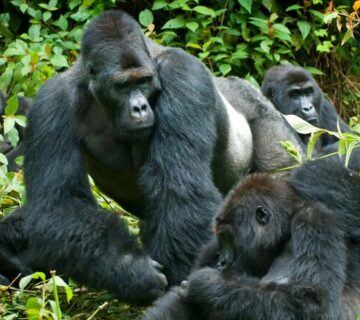
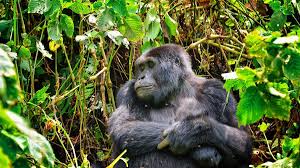
Gorilla conservation in Rwanda stands as one of the most successful wildlife protection stories in modern Africa. Once facing severe decline due to poaching, habitat loss, and political instability, mountain gorillas in Rwanda have rebounded through strong government commitment, community involvement, and carefully managed tourism. Today, Rwanda is widely regarded as a global leader in conservation-driven tourism.
Gorilla trekking plays a central role in this success. Rather than exploiting wildlife, Rwanda uses tourism as a tool to fund protection, support communities, and ensure that gorillas remain safe in their natural habitat. Understanding how this system works helps travelers appreciate the deeper impact of their visit.
The History of Gorilla Conservation in Rwanda
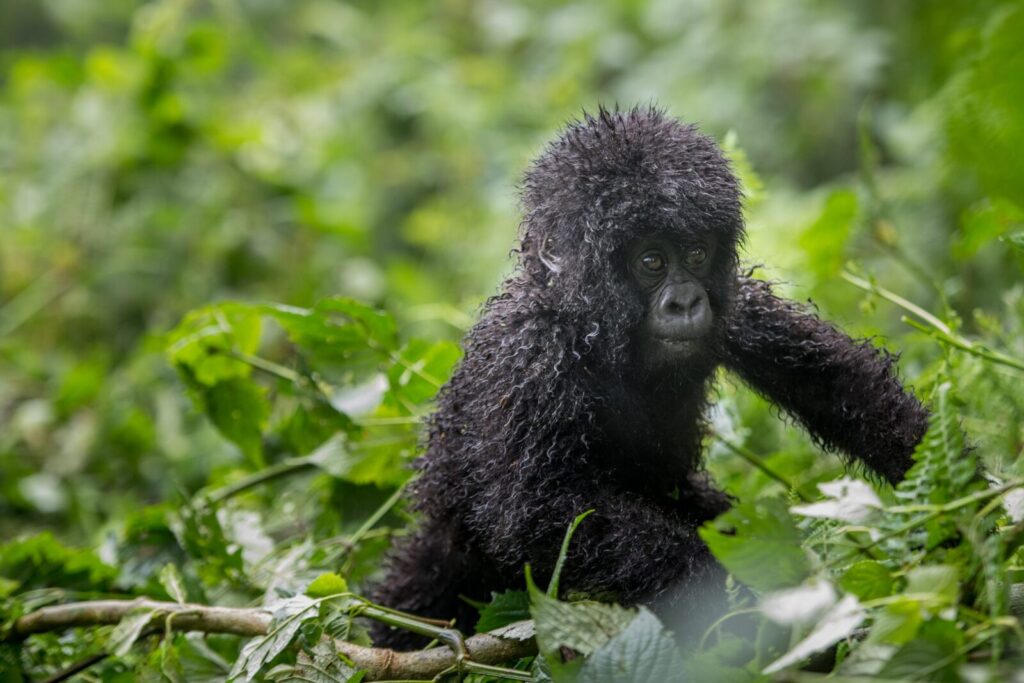
In the past, mountain gorillas in the Virunga region faced serious threats. Poaching, deforestation, and human encroachment pushed populations to dangerously low numbers. Civil unrest further weakened protection efforts, placing gorillas at extreme risk.
Rwanda responded by prioritizing conservation at the national level. Strong policies, increased funding, and international collaboration laid the foundation for long-term protection. These early decisions shaped the conservation framework that exists today.
Role of Volcanoes National Park
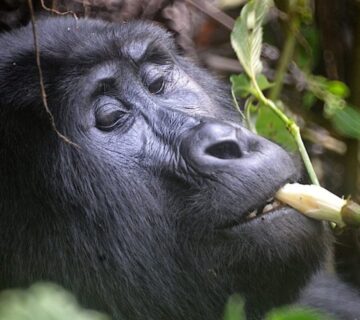
Volcanoes National Park is the heart of Rwanda’s gorilla conservation efforts. The park protects critical habitat within the Virunga Mountains, providing food, shelter, and breeding space for mountain gorillas.
Strict park management controls access, limits human impact, and monitors gorilla health daily. This controlled environment allows gorillas to thrive while still supporting regulated tourism that funds conservation activities.
Gorilla Trekking as a Conservation Tool
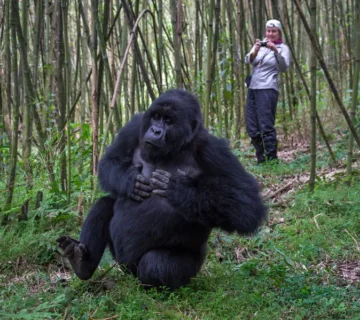
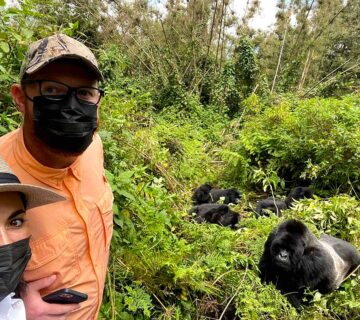
Gorilla trekking is not simply a tourism product in Rwanda; it is a conservation strategy. High permit fees generate substantial revenue that funds park operations, ranger salaries, veterinary care, and habitat protection.
By limiting the number of visitors and enforcing strict trekking rules, Rwanda minimizes disturbance while maximizing conservation funding. This high-value, low-volume approach balances protection with economic sustainability.
Veterinary Care and Health Monitoring
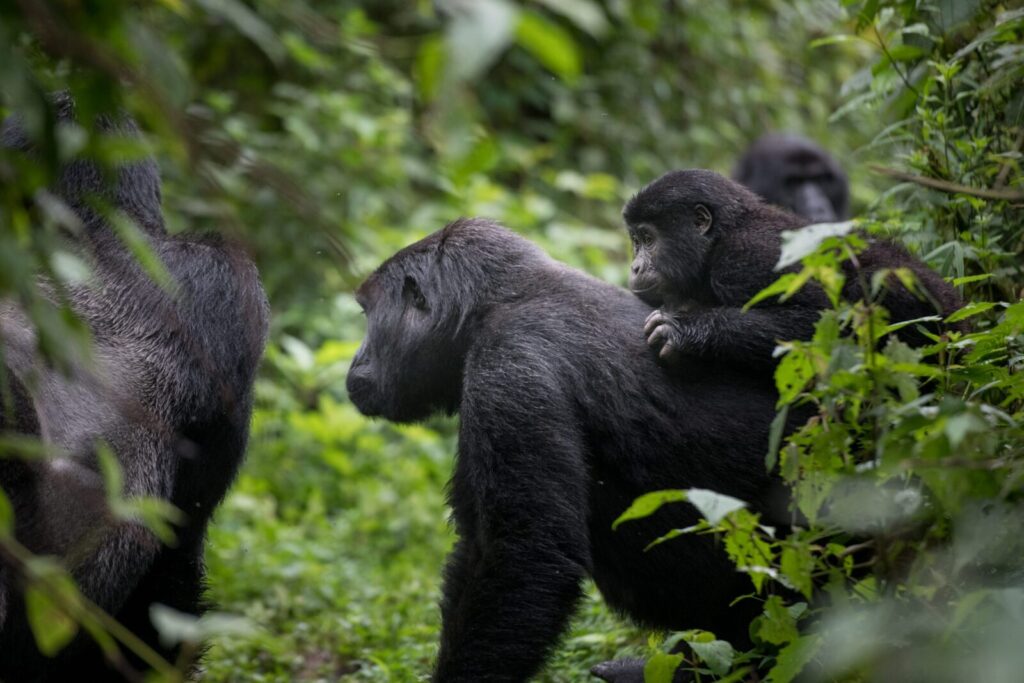
Dedicated veterinary teams monitor gorilla health daily. These teams track injuries, illnesses, and behavioral changes, responding quickly when intervention is needed. This proactive approach has significantly improved survival rates.
Health monitoring also reduces the spread of disease between humans and gorillas. Strict trekking rules, health screenings, and distance regulations support these veterinary efforts and protect vulnerable populations.
Anti-Poaching and Ranger Protection
Rangers play a critical role in gorilla conservation. They patrol park boundaries, remove snares, and monitor illegal activity. Their presence deters poaching and ensures rapid response to threats.
Rwanda invests heavily in ranger training, equipment, and welfare. This professionalization has strengthened park security and created a stable conservation workforce dedicated to long-term protection.
Community Involvement in Conservation
Local communities are central to Rwanda’s conservation success. A portion of tourism revenue is shared with communities living near Volcanoes National Park. These funds support schools, healthcare facilities, infrastructure, and livelihood projects.
By linking conservation to tangible benefits, Rwanda reduces human-wildlife conflict and builds local support for gorilla protection. Communities become partners rather than competitors in conservation.
Education and Conservation Awareness
Rwanda emphasizes education as a long-term conservation strategy. Conservation awareness programs teach communities and visitors about the importance of protecting gorillas and their habitat.
These efforts foster a conservation mindset that extends beyond park boundaries. Education ensures that future generations understand the value of wildlife protection and sustainable tourism.
Population Recovery and Conservation Success
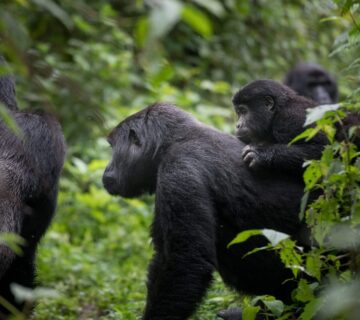
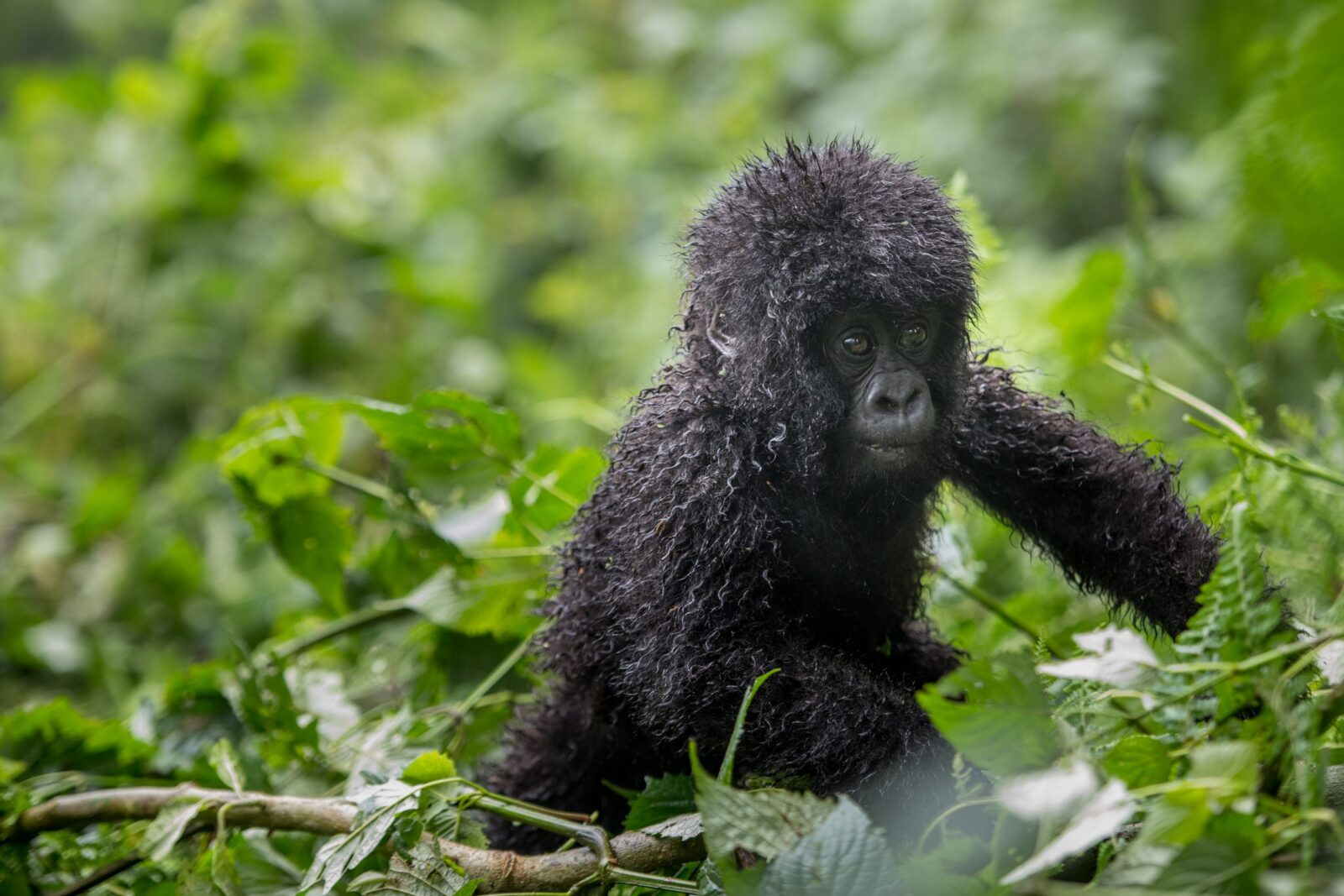
Mountain gorilla populations have increased steadily in recent decades, a rare achievement for an endangered species. This recovery reflects effective protection, habitat management, and responsible tourism.
Rwanda’s conservation model demonstrates that wildlife recovery is possible when political will, funding, and community support align. Gorillas now symbolize national pride and global conservation success.
Challenges Facing Gorilla Conservation
Despite progress, challenges remain. Population growth increases pressure on limited habitat, while climate change affects forest conditions. Disease transmission remains a constant concern due to genetic similarity between humans and gorillas.
Rwanda continues to adapt its strategies to address these challenges. Ongoing research, monitoring, and policy adjustments ensure conservation remains resilient in the face of change.
The Role of Responsible Travelers
Visitors play an important role in conservation. Following trekking rules, respecting distance guidelines, and supporting ethical tourism practices directly protect gorillas.
Travelers also contribute through permit fees that fund conservation programs. Responsible behavior ensures that tourism remains a positive force rather than a threat.
Rwanda’s Conservation Model as a Global Example
Rwanda’s gorilla conservation model has influenced wildlife management worldwide. Its integration of tourism, community benefits, and strict protection sets a benchmark for endangered species conservation.
This approach shows that conservation and tourism can coexist successfully when guided by responsibility and long-term vision.
Plan Your Safari
Gorilla conservation in Rwanda proves that protection, community development, and tourism can work together. By visiting responsibly, travelers become part of a system that safeguards mountain gorillas and supports local livelihoods. Every trek contributes to a success story built on respect, commitment, and shared responsibility.