Gorilla Trekking Photography Tips in Rwanda.
Photographing mountain gorillas in Rwanda is one of the most rewarding yet technically challenging wildlife photography experiences in the world. Dense rainforest, low light, constant movement, and strict trekking rules demand patience, preparation, and adaptability. For many travelers, capturing a meaningful image goes beyond technical perfection; it is about telling a respectful story of a rare and endangered species.
Understanding how to photograph gorillas responsibly enhances both the quality of images and the overall experience. Rwanda’s conservation-first approach prioritizes gorilla welfare over photography, and successful photographers learn to work within these boundaries rather than against them. Preparation and mindset matter as much as camera equipment.
Understanding the Forest Photography Environment
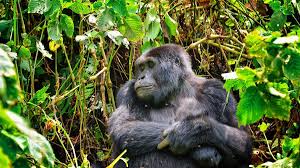
Gorilla trekking photography takes place in thick, mountainous rainforest where light levels change rapidly. Canopy cover often blocks direct sunlight, creating dim conditions even during the day. Mist and humidity further soften light, affecting contrast and sharpness.
Movement within the forest is limited and controlled. Photographers must adjust quickly, as gorillas may shift positions without warning. Accepting these conditions as part of the experience allows photographers to focus on creativity rather than frustration.
Camera Settings for Gorilla Photography
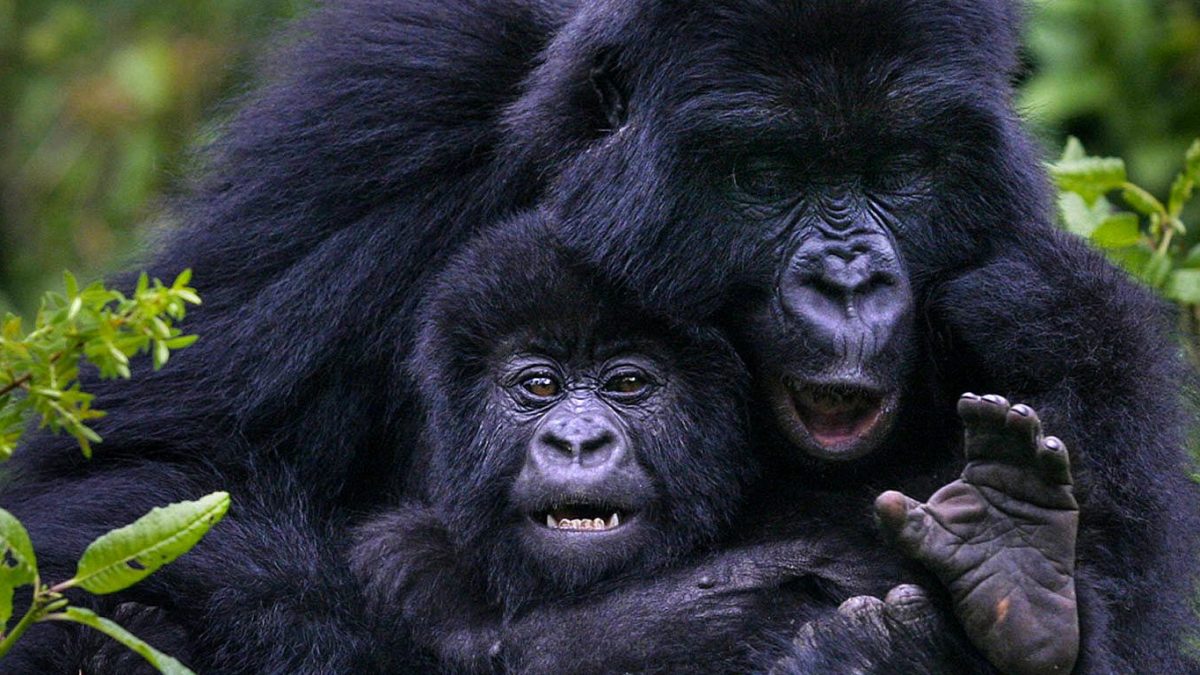
Low-light performance is crucial when photographing gorillas. Fast shutter speeds help freeze movement, especially when gorillas interact or juveniles play. Higher ISO settings are often necessary, and modern cameras handle this well when balanced carefully.
Wide apertures allow more light into the lens and help isolate subjects against forest backgrounds. Autofocus should be responsive, as manual focusing can be difficult in dynamic conditions. Preparing camera settings before the trek reduces missed moments.
Lens Selection and Practical Considerations
Medium zoom lenses work best for gorilla trekking photography. The required viewing distance limits how close photographers can get, making moderate focal lengths ideal for framing without cropping excessively.
Large telephoto lenses may feel tempting but can be impractical in dense forest and tight spaces. Lightweight equipment improves mobility and reduces fatigue during the trek. Simplicity often leads to better results.
Composing Powerful Gorilla Images
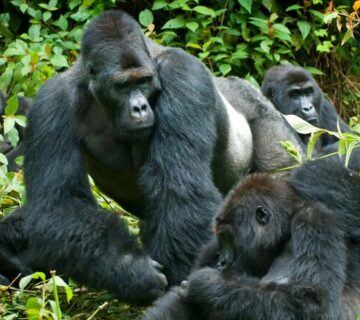
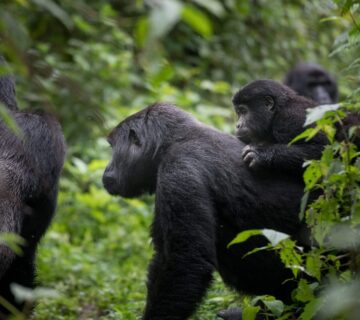
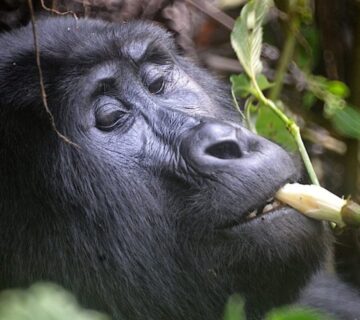
Strong gorilla photographs focus on emotion, behavior, and interaction rather than just proximity. Eye contact, family dynamics, and subtle gestures often tell more compelling stories than dramatic close-ups.
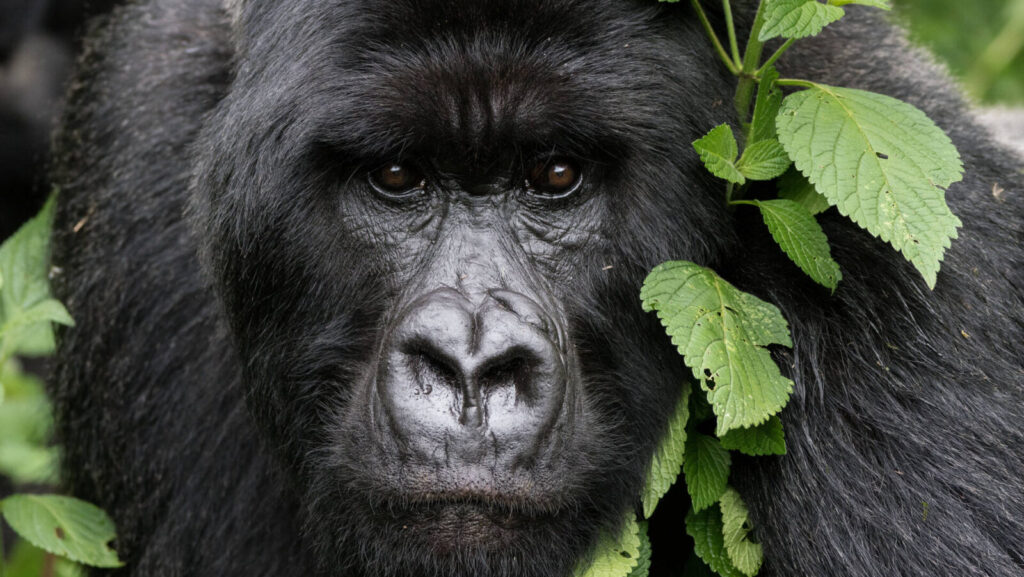
Using natural elements such as leaves, branches, and mist adds depth and context. Framing gorillas within their environment highlights their connection to the forest and reinforces conservation narratives.
Ethical Photography and Behavior Around Gorillas
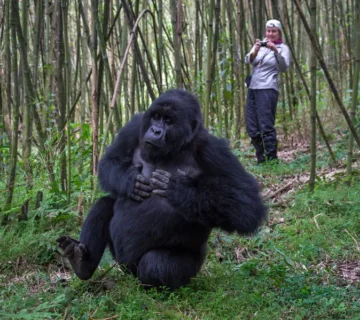
Ethical photography is non-negotiable during gorilla trekking. Flash photography is strictly prohibited, as it can disturb and stress the gorillas. Photographers must respect distance rules at all times, even when a closer shot seems possible.
Blocking gorilla movement or positioning oneself aggressively for a shot is unacceptable. Rangers monitor behavior closely and may intervene if photography compromises gorilla welfare. Responsible photographers prioritize respect over results.
Managing Movement and Patience
Gorillas rarely pose. They move, feed, interact, and rest on their own terms. Successful photographers remain patient and observant, anticipating moments rather than chasing them.
Stillness often yields better images than constant repositioning. Allowing scenes to unfold naturally leads to authentic photographs that reflect real behavior rather than forced composition.
Photographing in Mist and Rain
Mist and light rain are common in Volcanoes National Park and can enhance mood when used creatively. Soft, diffused light reduces harsh shadows and adds atmosphere to images.
Protecting equipment is essential in wet conditions. Moisture-resistant camera bags and lens covers prevent damage. Accepting imperfect conditions often results in some of the most evocative images.
Balancing Photography and Presence
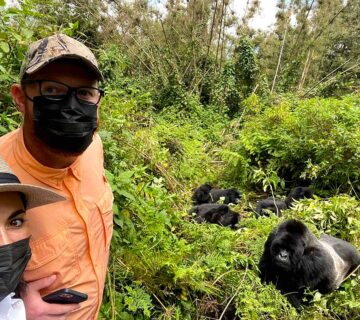
Many travelers struggle with the desire to photograph everything versus fully experiencing the moment. Constantly viewing gorillas through a lens can distance photographers emotionally from the encounter.
Finding balance enhances both photography and personal connection. Taking time to observe without shooting allows photographers to understand behavior and anticipate better moments when the camera returns to hand.
Common Photography Mistakes to Avoid
Rushing shots, changing lenses frequently, or ignoring ranger instructions are common mistakes. These actions increase stress and reduce image quality.
Over-editing images later can also detract from authenticity. Gorilla photographs resonate most when they reflect natural colors, textures, and expressions rather than heavy manipulation.
Preparing Mentally for Gorilla Photography
Mental preparation matters as much as technical readiness. Expectations should remain flexible, as lighting, positioning, and behavior vary daily. Not every trek produces award-winning images.
Approaching the experience with openness reduces disappointment and allows photographers to enjoy the process. Often, the most meaningful images come when pressure is removed.
Conservation Storytelling Through Photography
Gorilla photography plays a powerful role in conservation awareness. Images that show family bonds, calm behavior, and forest context help audiences understand why protection matters.
Photographers contribute to conservation storytelling by sharing images responsibly and respectfully. Ethical images inspire protection rather than exploitation.
Plan Your Safari
Successful gorilla photography in Rwanda requires preparation, patience, and respect. By understanding forest conditions, following ethical guidelines, and balancing presence with photography, travelers capture images that honor both the gorillas and the experience. With the right mindset, every trek offers opportunities for powerful visual storytelling.