
Gorilla Trekking vs Uganda: Which Is Better?
Travelers planning a gorilla trekking safari in East Africa often face a common question: should they trek gorillas in Rwanda or Uganda? Both countries protect mountain gorillas and offer unforgettable encounters, yet the experiences differ in cost, access, terrain, travel style, and overall feel. Understanding these differences helps travelers choose the destination that best matches their expectations, budget, and comfort level.
There is no universal “better” option. Instead, Rwanda and Uganda each deliver a distinct gorilla trekking experience shaped by geography, conservation strategy, and tourism infrastructure. Comparing the two allows travelers to make an informed decision rather than relying on price alone.
Gorilla Trekking Locations Compared
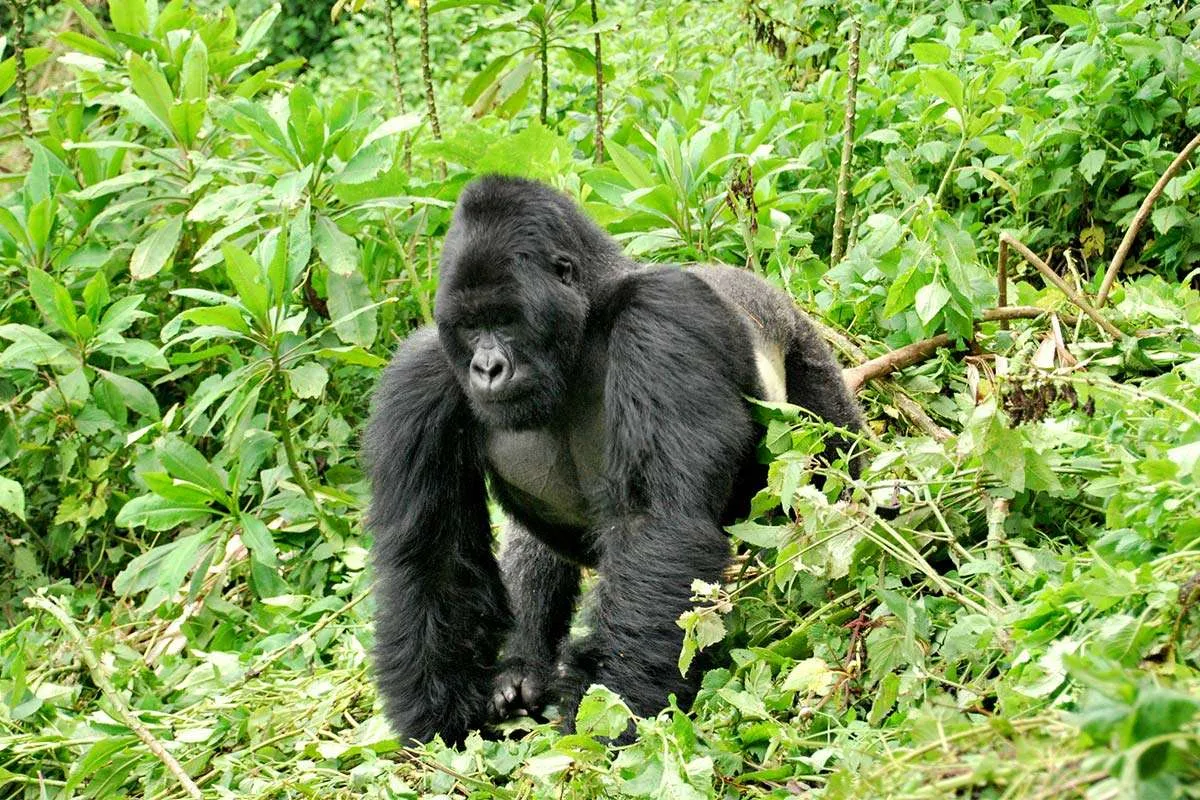
In Rwanda, all gorilla trekking takes place in Volcanoes National Park. The park is compact, mountainous, and easily accessible from Kigali. This concentration creates a streamlined experience where logistics feel simple and predictable.
Uganda offers gorilla trekking primarily in Bwindi Impenetrable National Park and Mgahinga Gorilla National Park. Bwindi is vast and rugged, with multiple trekking sectors spread across the forest. This diversity creates more route options but also adds complexity to travel planning.
Accessibility and Travel Time
Rwanda’s biggest advantage lies in accessibility. Volcanoes National Park is approximately two to three hours by road from Kigali. Travelers can arrive in the country and reach the trekking region on the same day without domestic flights or long transfers.
Uganda requires longer travel times. Bwindi Impenetrable Forest lies far from Entebbe, often requiring a full day of road travel or an internal flight. While this adds adventure, it also increases travel fatigue, especially for short itineraries.
Gorilla Permit Costs and Value
Rwanda’s gorilla trekking permit costs USD 1,500 per person. This high price reflects a high-value, low-volume tourism model that limits visitor numbers and maximizes conservation funding per trekker.
Uganda’s permit is significantly cheaper, making it attractive to budget-conscious travelers. However, the overall cost difference narrows when factoring in longer travel times, internal flights, and additional nights required near the park. Value depends on whether travelers prioritize cost savings or convenience.
Trekking Terrain and Physical Challenge
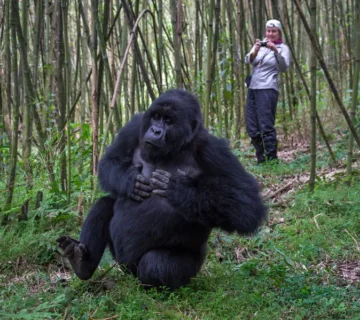
Gorilla trekking terrain differs notably between the two countries. Rwanda’s Volcanoes National Park features steep volcanic slopes and open bamboo forests. Treks can be challenging but are often more direct due to the park’s smaller size.
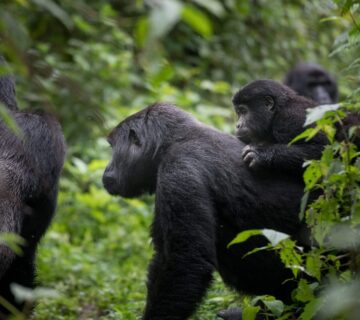
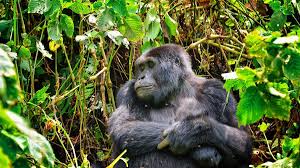
Uganda’s Bwindi Impenetrable Forest is denser and more rugged. Trails involve thick vegetation, uneven ground, and frequent elevation changes. Treks often feel longer and more physically demanding, appealing to travelers seeking a stronger adventure component.
Gorilla Encounter Experience
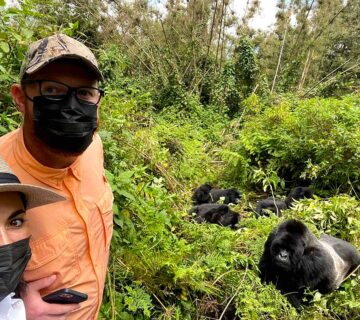
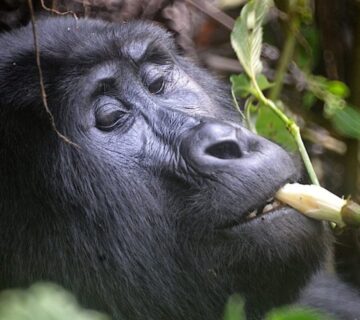
The core gorilla encounter in both countries follows similar rules. Visitors spend one hour observing a habituated gorilla family under ranger supervision. Gorilla behavior and interaction quality remain equally powerful in both destinations.
Differences arise in atmosphere rather than substance. Rwanda’s encounters often feel more refined and controlled due to strict visitor limits. Uganda’s feel more raw and immersive, reflecting the forest’s wild and expansive nature.
Visitor Numbers and Crowd Feel
Rwanda intentionally limits visitor numbers through higher permit pricing. As a result, trekking groups feel exclusive, and the overall experience remains calm and orderly.
Uganda issues more permits daily across multiple sectors, spreading visitors across a larger area. While this reduces congestion in any single location, some sectors may still feel busier during peak seasons. The experience remains intimate but less curated.
Accommodation and Comfort Levels
Rwanda emphasizes upscale and luxury accommodation near Volcanoes National Park. Lodging focuses on comfort, service quality, and scenic design. This appeals to travelers seeking refined travel experiences with minimal logistical stress.
Uganda offers a broader accommodation range, from simple lodges to high-end options. Comfort levels vary widely depending on location and sector. Travelers prioritizing variety and affordability often appreciate Uganda’s flexibility.
Conservation Models and Community Impact
Both Rwanda and Uganda invest heavily in conservation, but their models differ. Rwanda’s high-permit strategy generates significant funding per visitor and channels revenue into community development and park protection.
Uganda relies on higher visitor volume combined with community engagement across a wider area. Both approaches have contributed to the growth of mountain gorilla populations, demonstrating that different conservation models can succeed.
Photography and Forest Conditions
Rwanda’s forest conditions often allow slightly better visibility due to bamboo zones and open slopes. Lighting remains challenging but manageable, especially during dry seasons.
Uganda’s dense rainforest creates darker conditions and tighter spaces. Photography requires patience and technical skill. Some photographers prefer Uganda’s dramatic, jungle-like atmosphere despite the challenge.
Which Destination Suits Which Traveler
Rwanda suits travelers who value convenience, comfort, exclusivity, and shorter travel times. It works especially well for first-time gorilla trekkers, luxury travelers, and those with limited time.
Uganda appeals to travelers seeking adventure, lower permit costs, and deeper immersion in rugged landscapes. It suits repeat Africa travelers, hikers, and those comfortable with longer journeys.
Can You Combine Rwanda and Uganda?
Some travelers choose to combine both destinations within a single itinerary. This allows comparison of landscapes, trekking styles, and cultural settings. However, this approach requires careful planning and additional travel time.
Combining both works best for travelers with flexible schedules who want a broader understanding of gorilla conservation across the region.
Plan Your Safari
Choosing between gorilla trekking in Rwanda and Uganda depends on travel style rather than which is “better.” Rwanda offers convenience, refinement, and exclusivity, while Uganda delivers adventure, diversity, and value. With clear priorities and thoughtful planning, either destination provides an unforgettable encounter with one of the world’s most extraordinary species.